- 合肥Simple Art美术馆设计解析 - 当代艺术空间与徽派建筑融合案例
-
11-10
© Workspace、田方方
在21世纪初期,中国经历了一场博物馆兴建热潮,各地城市以复兴文化、重现历史、关怀社会为发展底蕴,替中国一线城市建立崭新的国际视野。如今20多年过去,随着北京奥运会、上海世界博览会、杭州亚运会与新冠疫情等,城市经历多次变革与转型,宏大的建筑带来象征性城市后,建筑发展逐渐转变成更贴近人文、生活、艺术、社会的针灸式城市再生计划。
In the early 21st century, China experienced a wave of museum construction, with cities around the world focusing on revitalizing culture, recreating history, and caring for society, establishing a new international perspective for China's first tier cities. Now more than 20 years later, with the Beijing Olympic Games, Shanghai World Expo, Hangzhou Asian Games and the COVID-19, the city has gone through many changes and transformations. After the grand buildings have brought symbolic cities, the architectural development has gradually transformed into a acupuncture and moxibustion style urban regeneration plan that is closer to humanity, life, art and society.
合肥 Simple Art 美术馆
Hefei Simple Art Museum
-- -
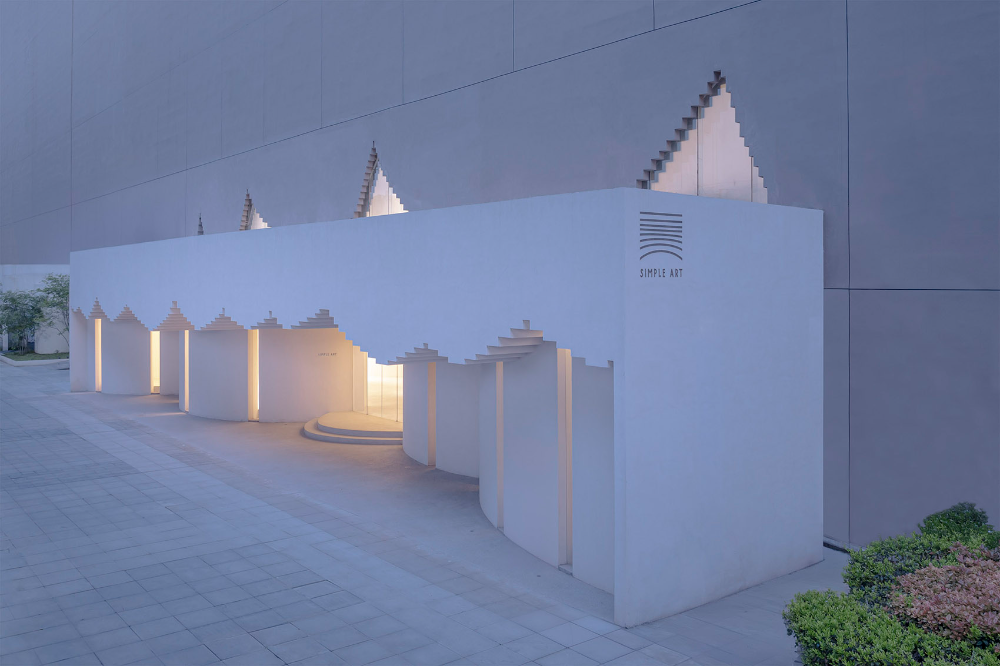
Simple Art美术馆(Simple Art Museum)是一个当代美术馆,展示中国至亚洲当代艺术创作,挖掘艺术家对环境与社会的思考。建筑坐落于中国安徽,该区过往因历史战略位置,发展出特有的徽派建筑,尤其在建筑的屋顶、山墙、柱梁、园林等元素,构成具有文化象征性价值。该美术馆坐落在老城外围的新城开发区,作为一个新城,如何赋予新的文化意义并延续历史价值,成为建筑自身所面对的社会议题。
Simple Art Museum is a contemporary art museum that showcases contemporary art creations from China to Asia, exploring artists' reflections on the environment and society. The building is located in Anhui, China. Due to its historical and strategic location, the area has developed unique Huizhou style architecture, especially in elements such as roofs, mountain walls, columns, beams, and gardens, which have cultural symbolic value. The art museum is located in the new city development zone on the outskirts of the old city. As a new city, how to give new cultural significance and continue historical value has become a social issue faced by the architecture itself.
© Workspace、田方方
© Workspace、田方方
© Workspace、田方方
© Workspace、田方方
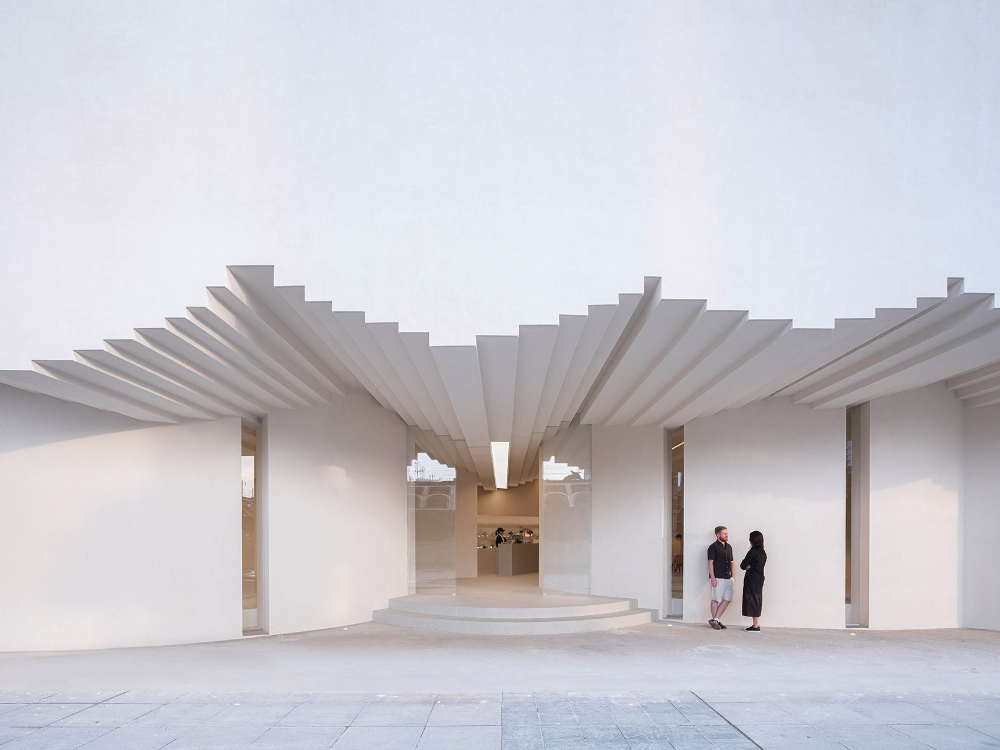
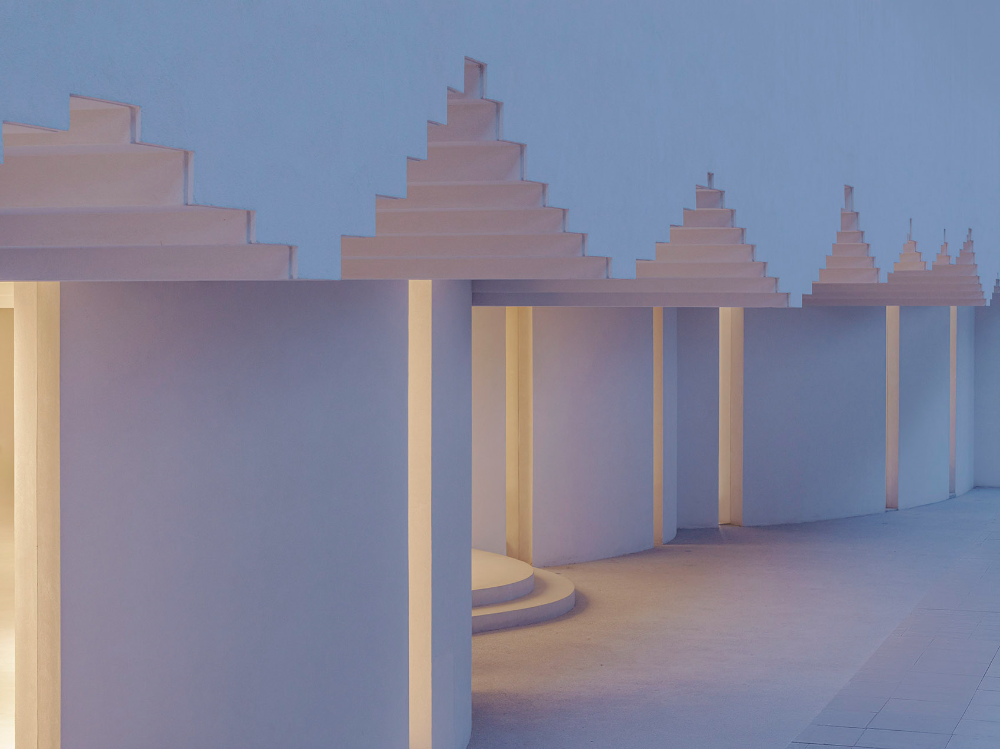
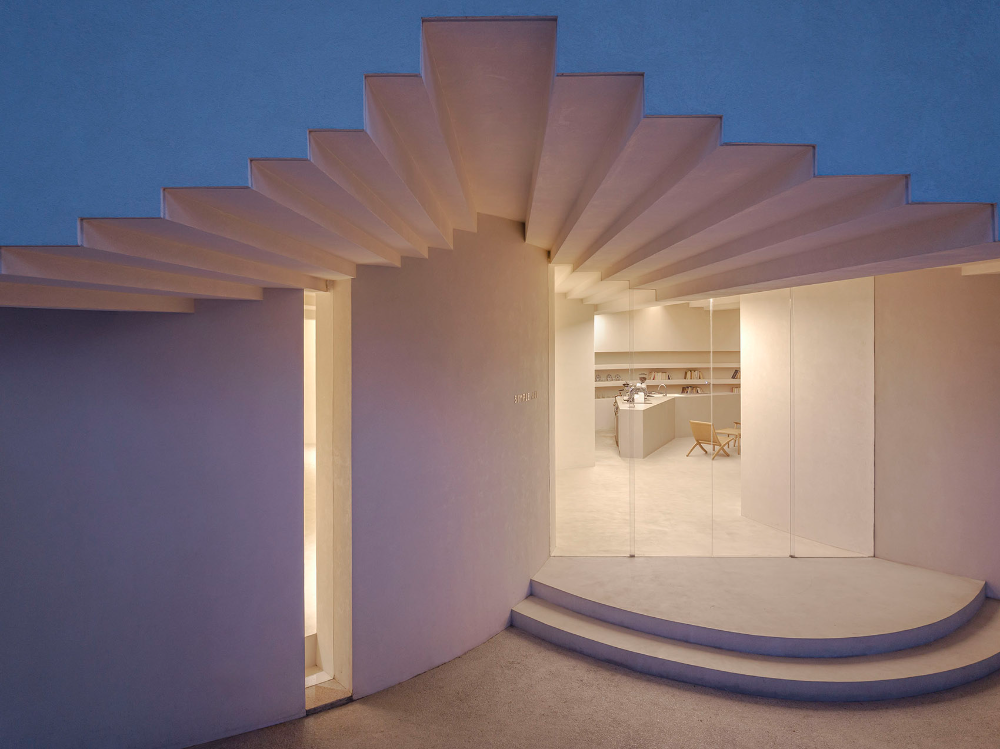
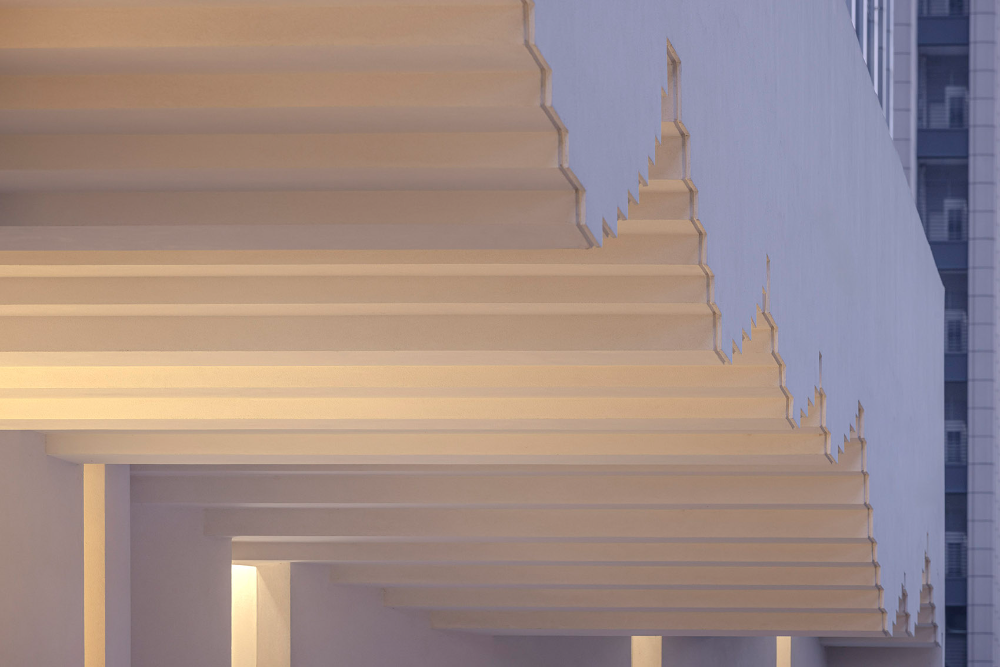
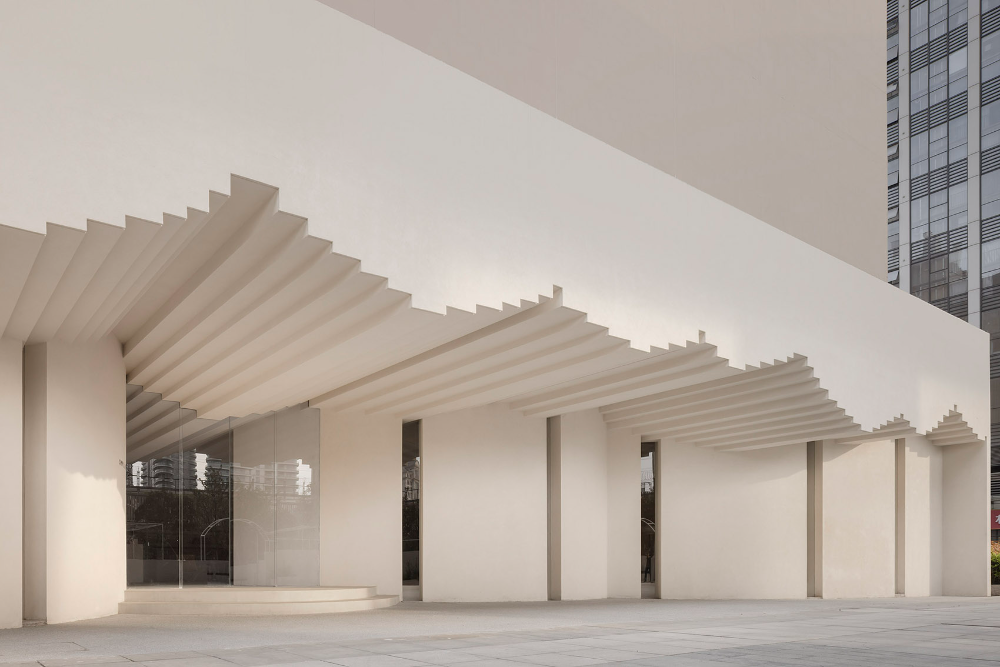
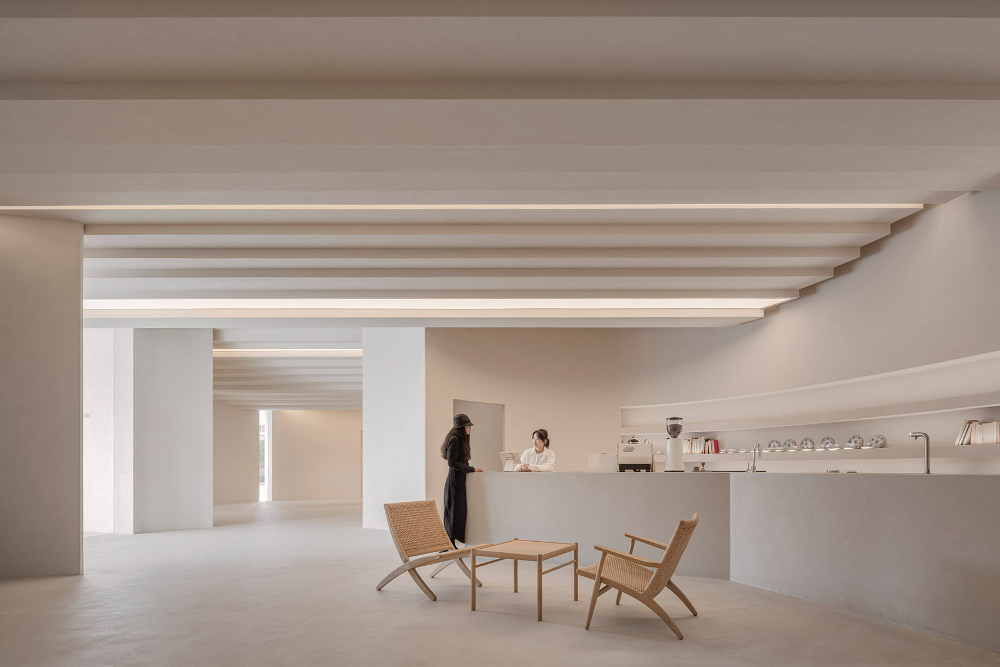
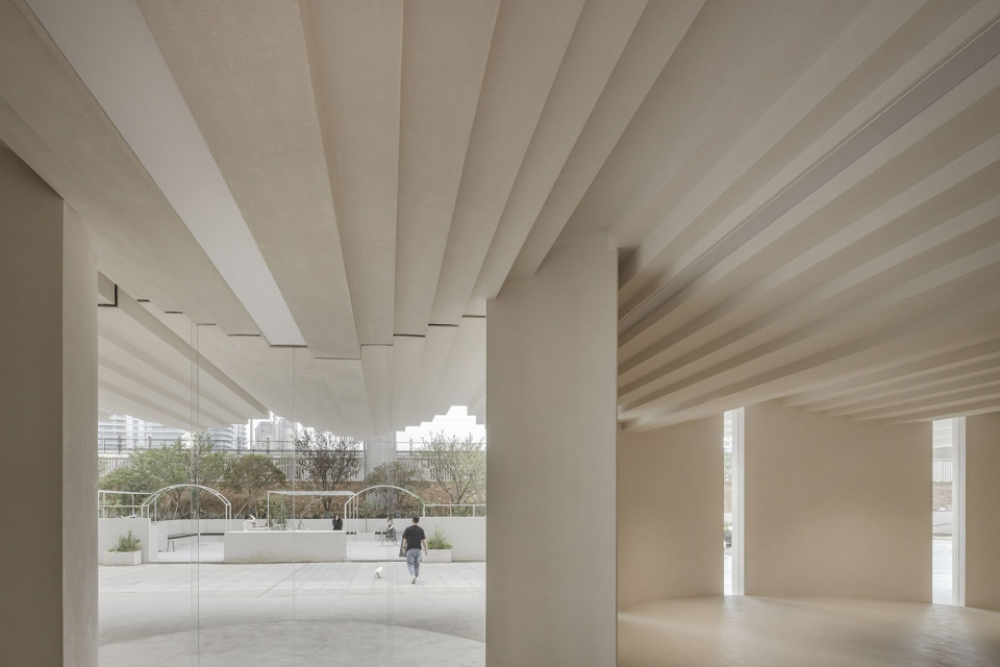
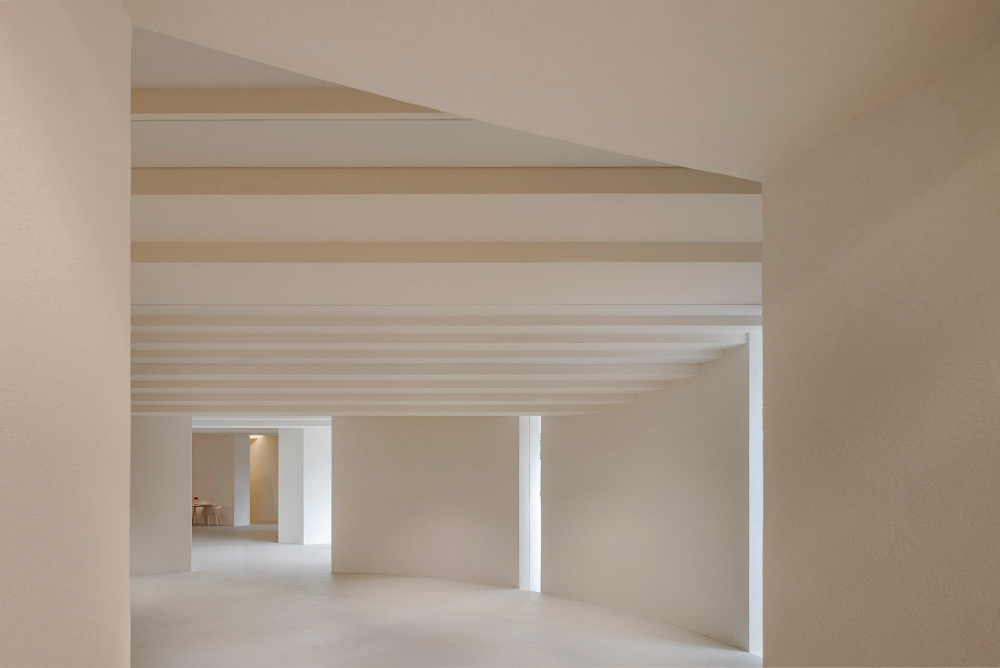
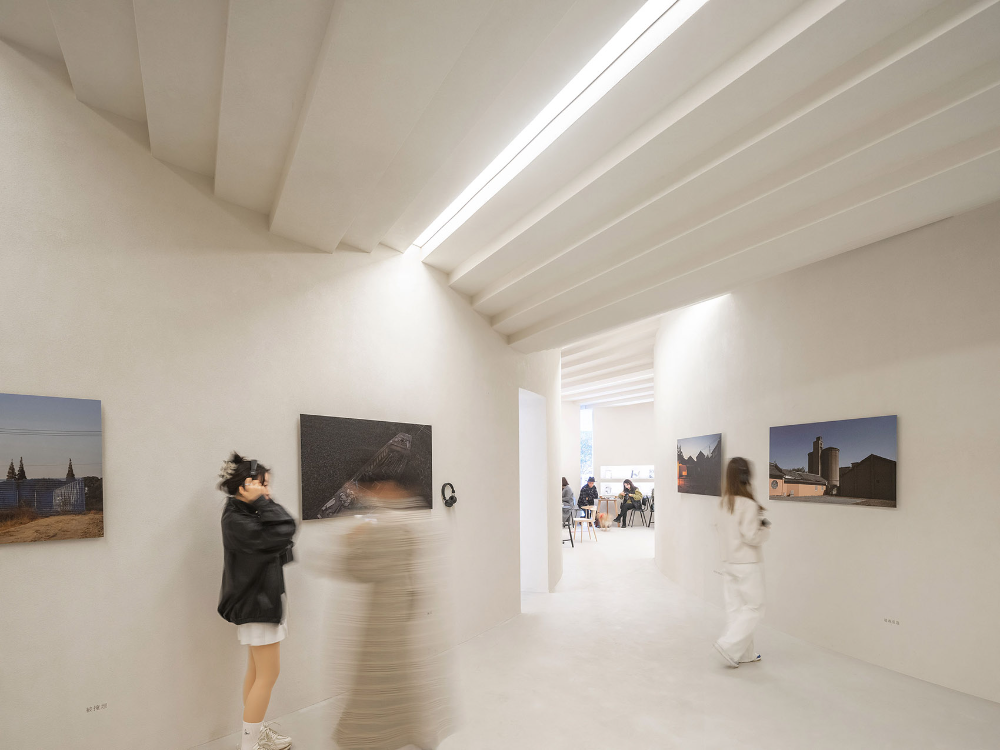
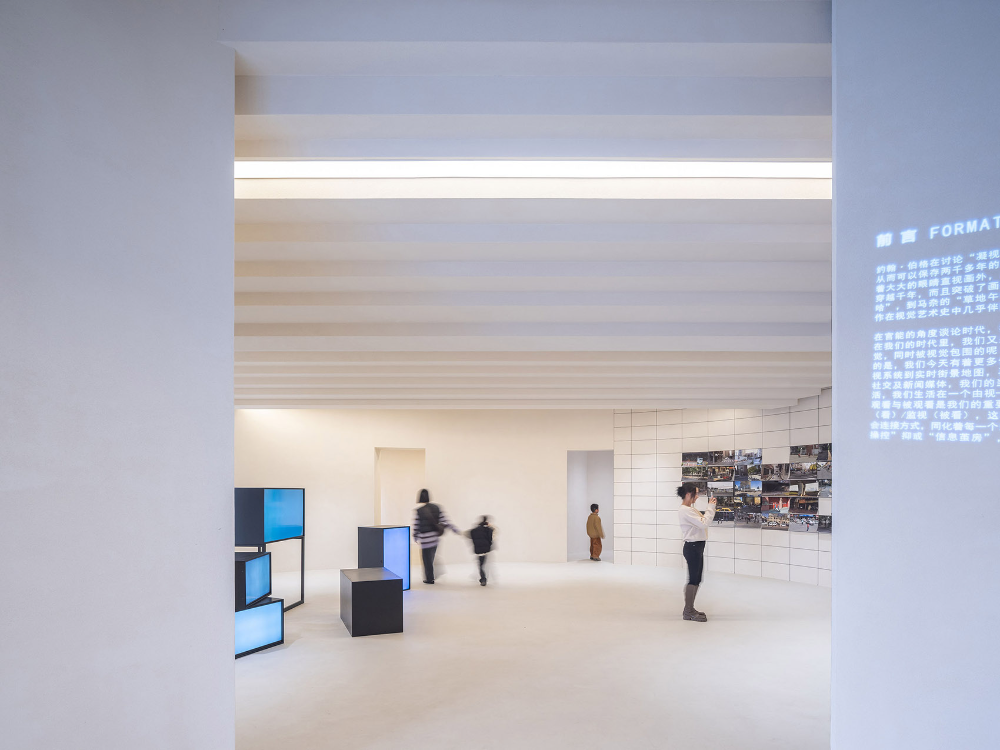
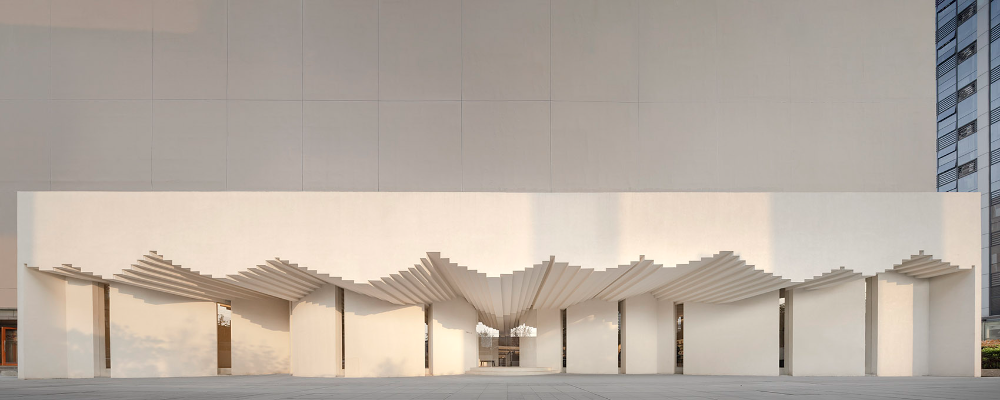
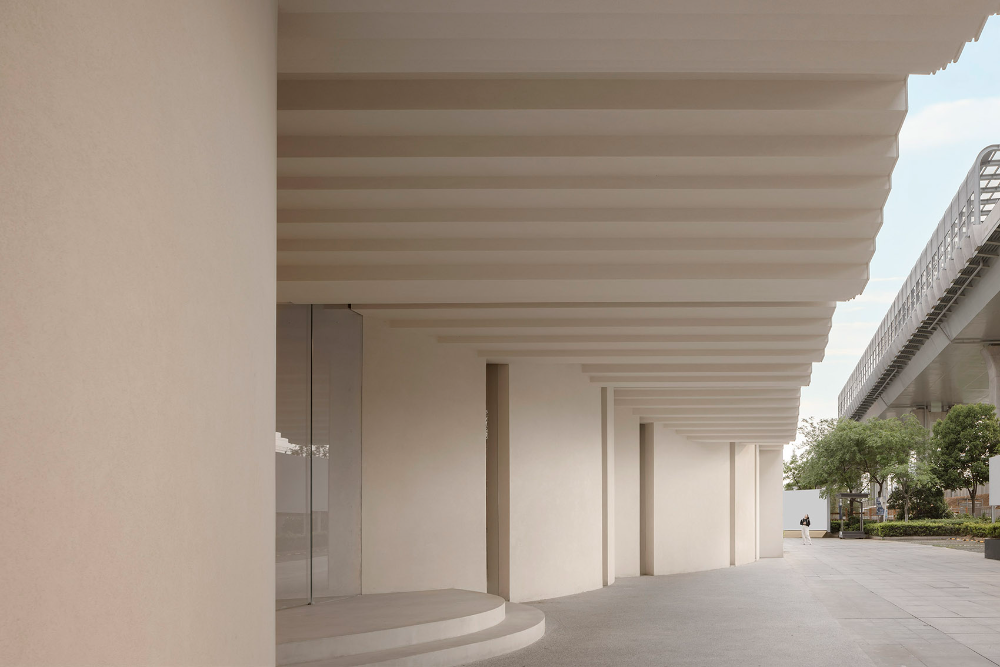
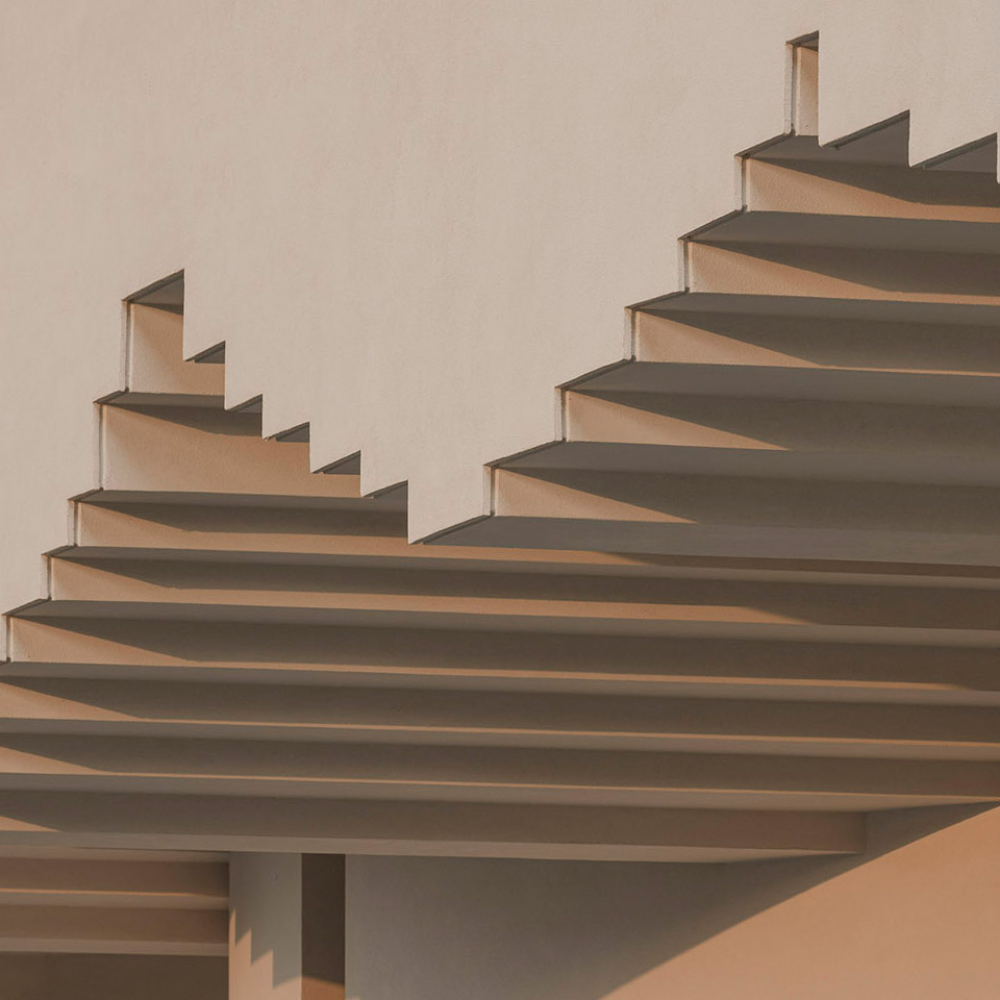
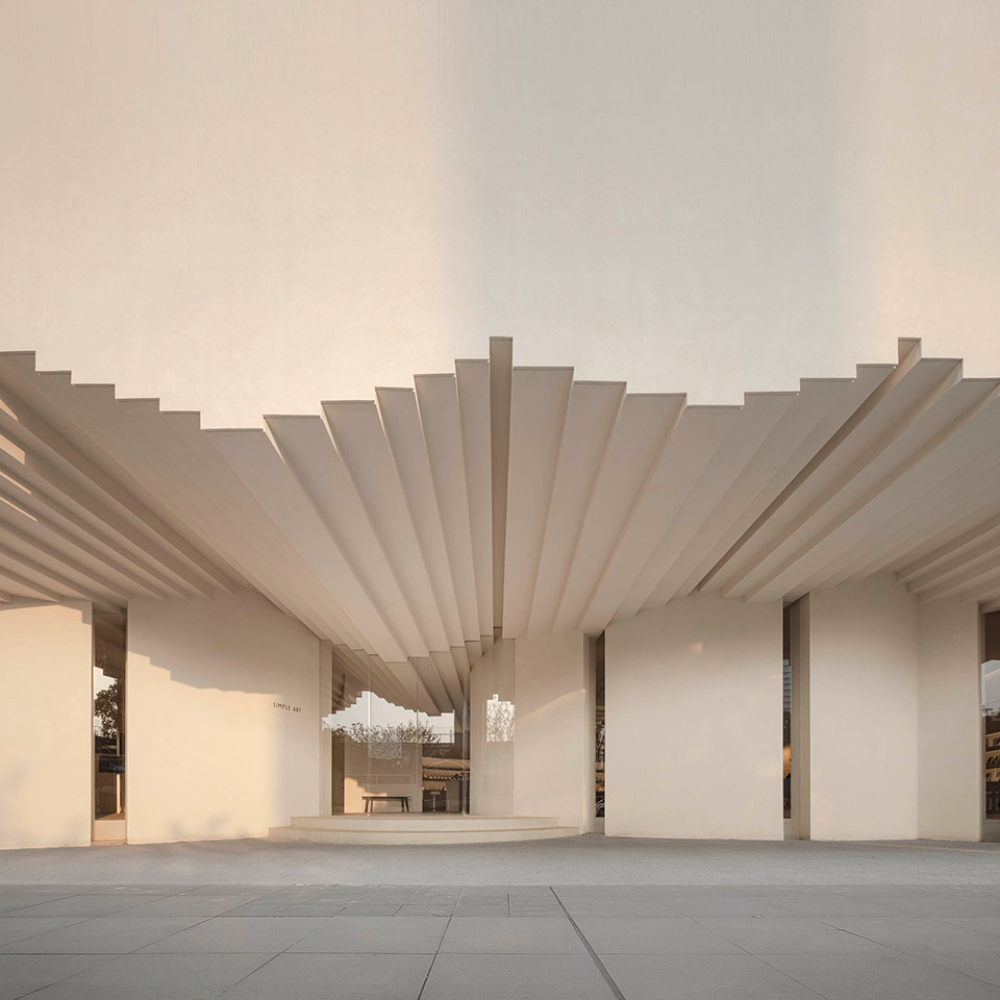
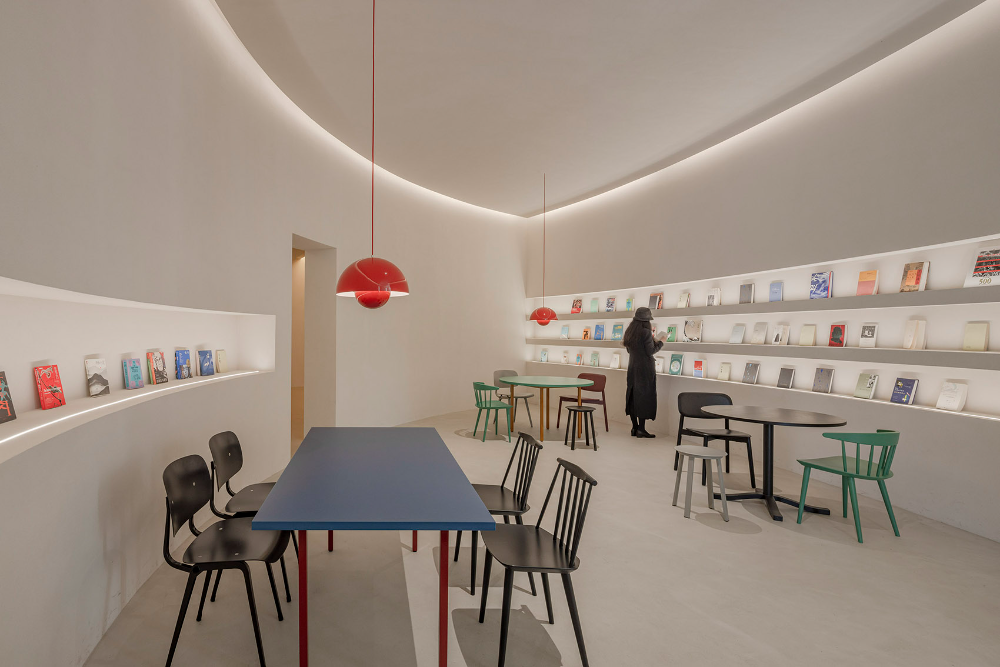
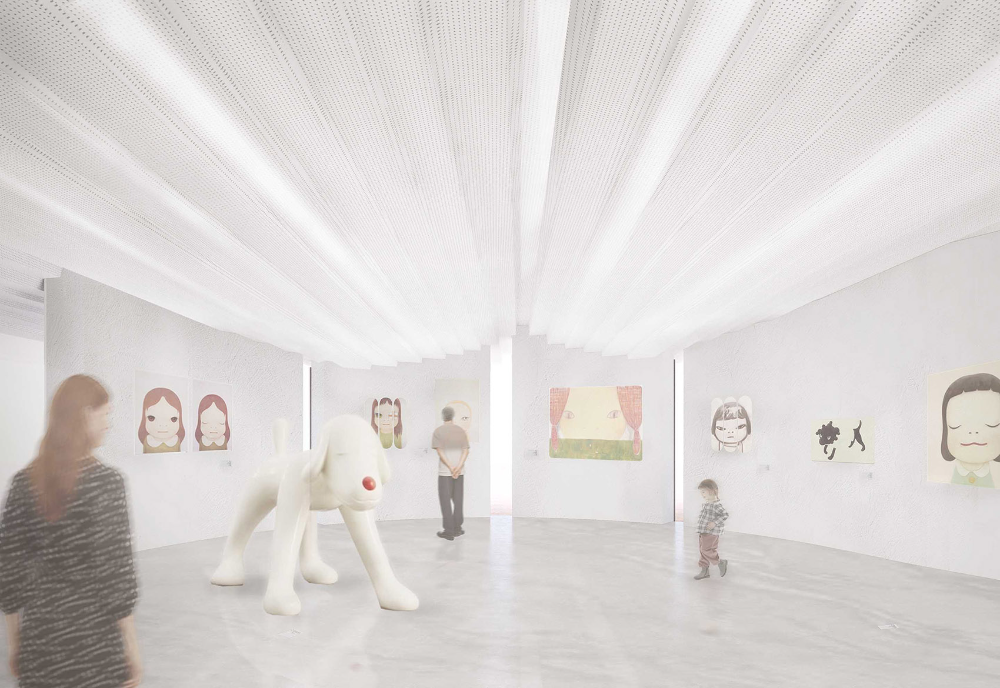
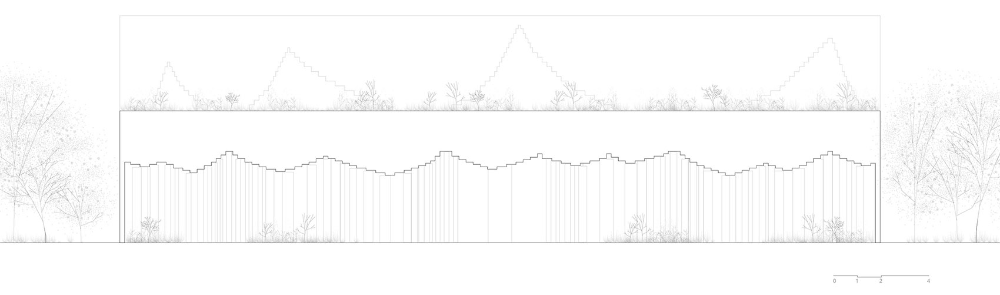
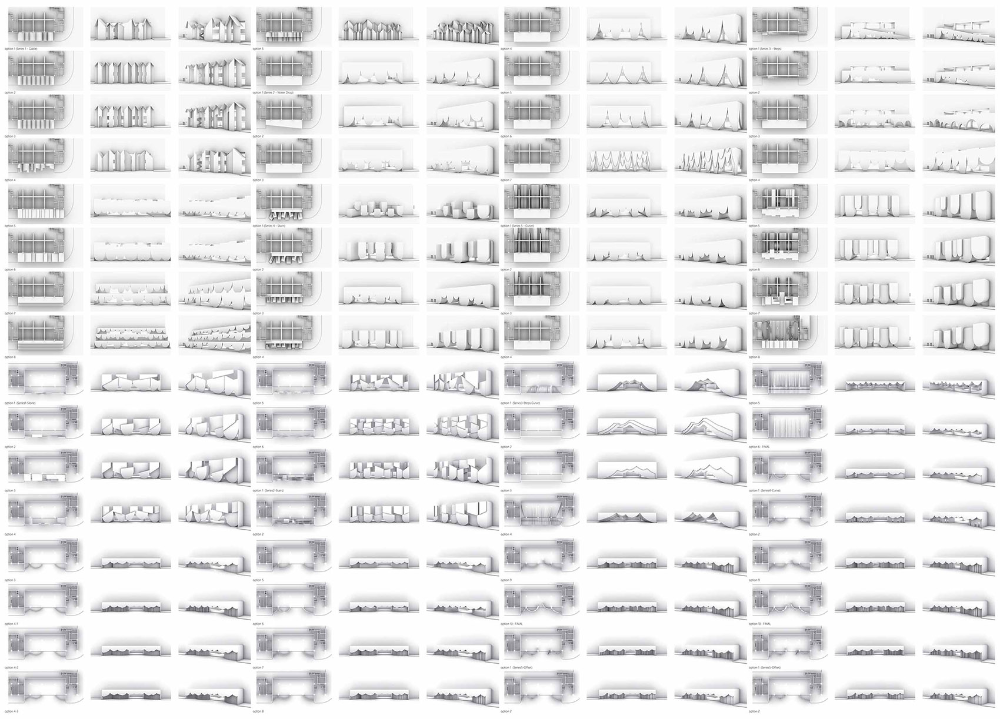
HAS Design and Research建筑事务所主持建筑师Jenchieh Hung与Kulthida Songkittipakdee提出一种崭新的文化思考,设计透过延续安徽传统建筑形式,萃取屋顶、山墙、园林等元素,转化成一个新的当代空间,兼具人文精神与生活交流。设计最终以漂浮并连续起伏的屋面,暗示着传统徽派建筑的山墙面,并将山墙起伏的形状,转化成建筑空间,从建筑外部延伸串联整个室内场域,形成一系列艺术文创展示空间,包括艺术展览、手作工作坊、多媒体影像、设计沙龙与咖啡茶饮等,而建筑本身也与内部自由流动的墙体,发生形式之外的空间互动,从而体现传统与现代之间的转译关系。
Jenchieh Hung and Kulthida Songkittipakdee, the architects in charge of HAS Design and Research, proposed a new cultural thinking. The design continues the traditional architectural form of Anhui, extracts elements such as roofs, mountain walls, and gardens, and transforms them into a new contemporary space that combines humanistic spirit and life exchange. The design ultimately features a floating and continuously undulating roof, implying the traditional Huizhou style architecture's gable walls. The undulating shape of the gable walls is transformed into architectural space, extending from the exterior of the building to connect the entire indoor area, forming a series of artistic and cultural exhibition spaces, including art exhibitions, handmade workshops, multimedia images, design salons, and coffee and tea drinks. The building itself also interacts with the freely flowing walls inside, creating a spatial interaction beyond form, thus reflecting the translation relationship between tradition and modernity.
© Workspace、田方方
© Workspace、田方方
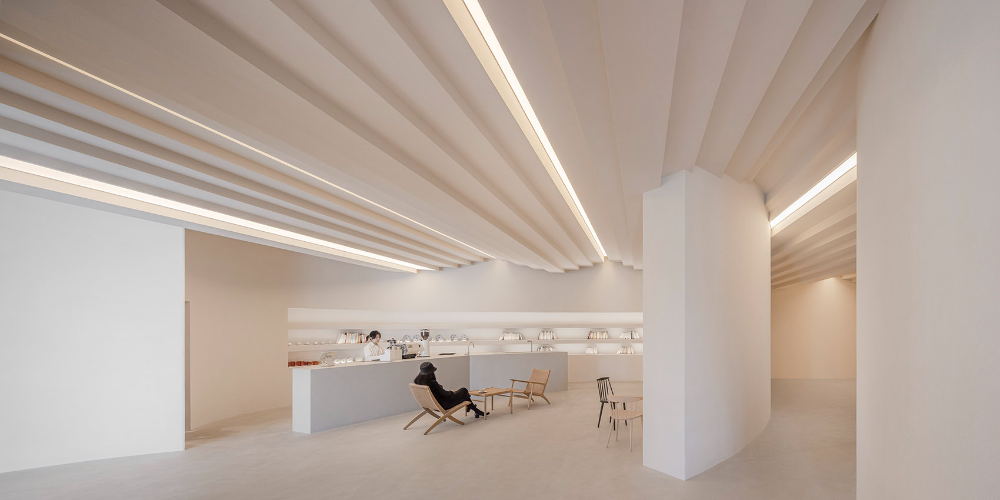
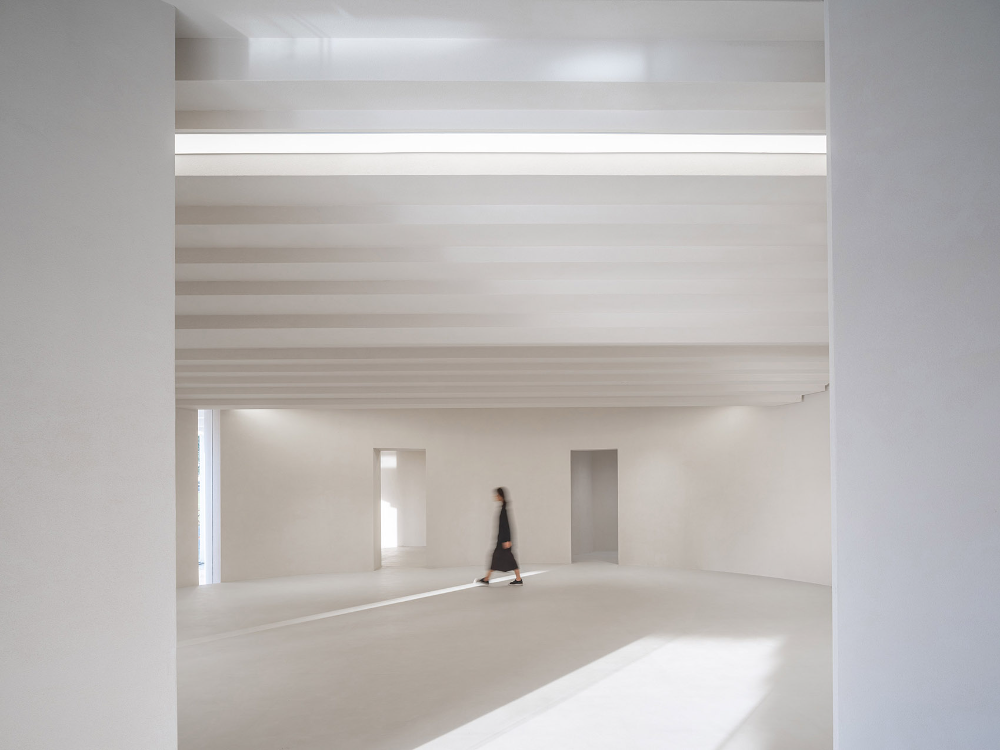
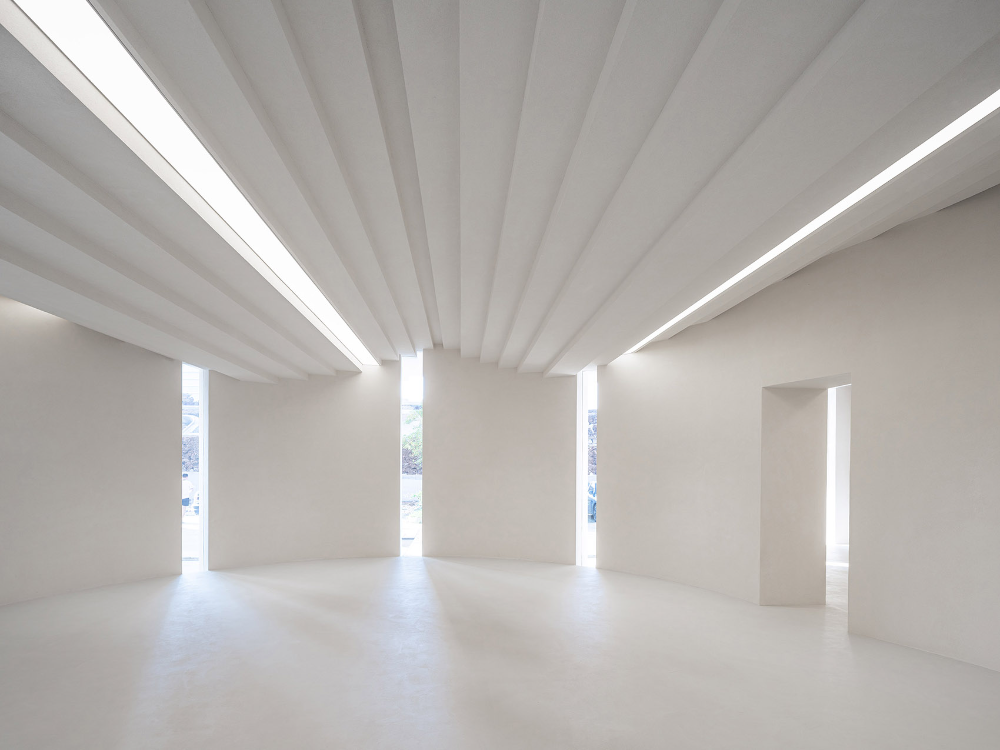
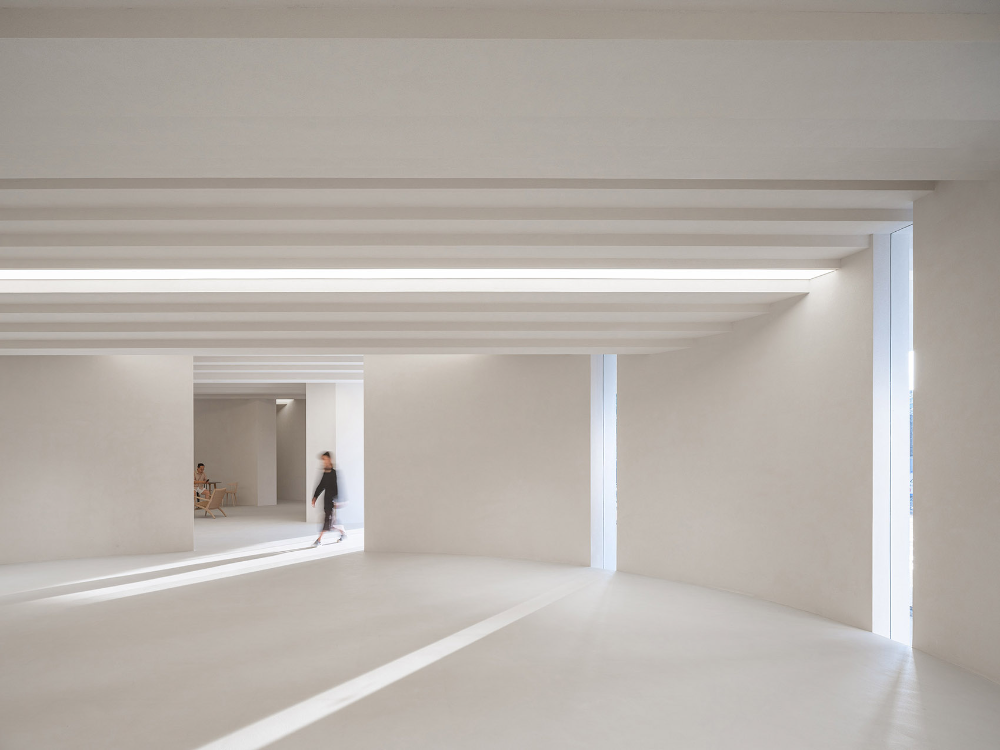
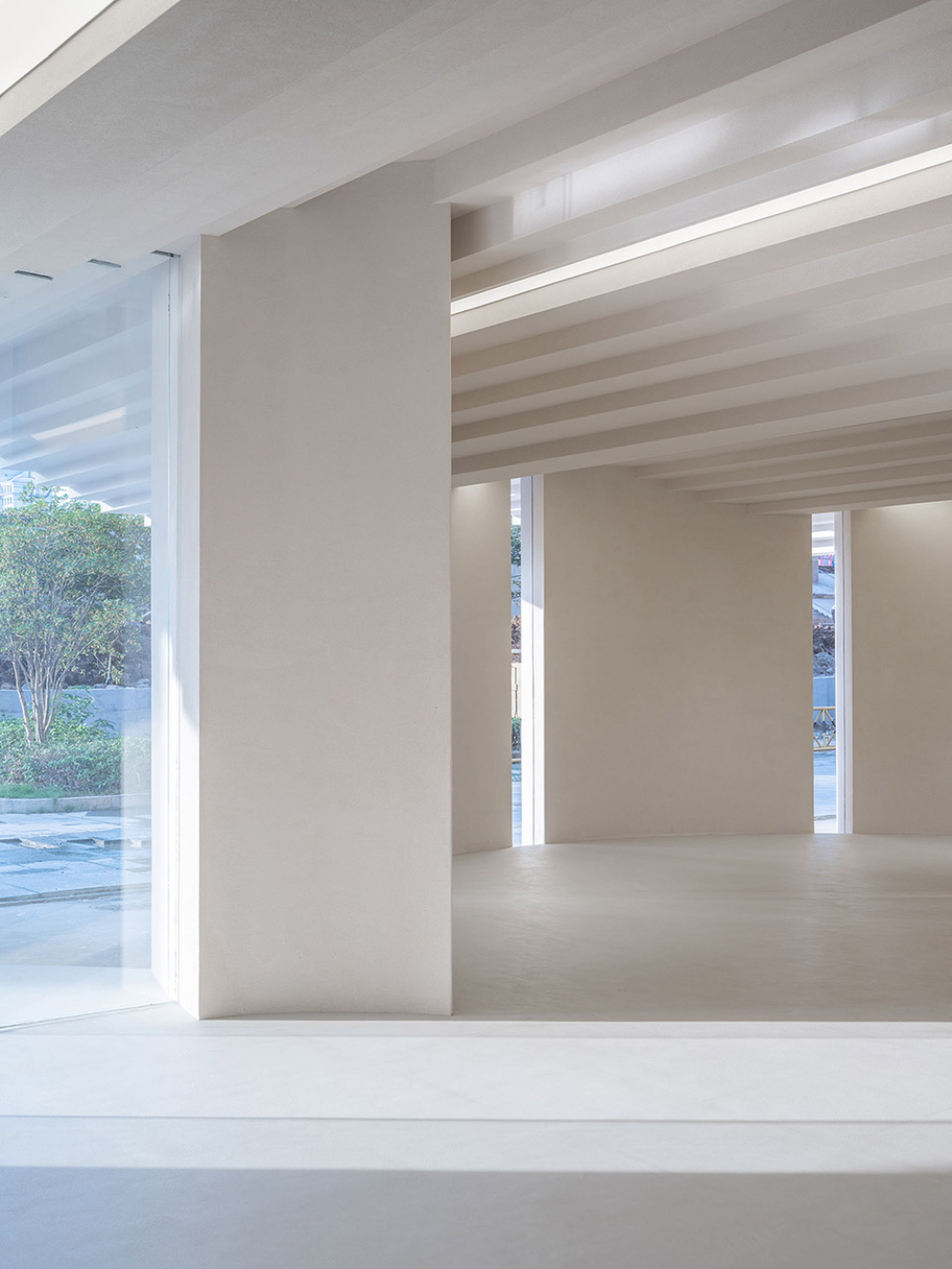
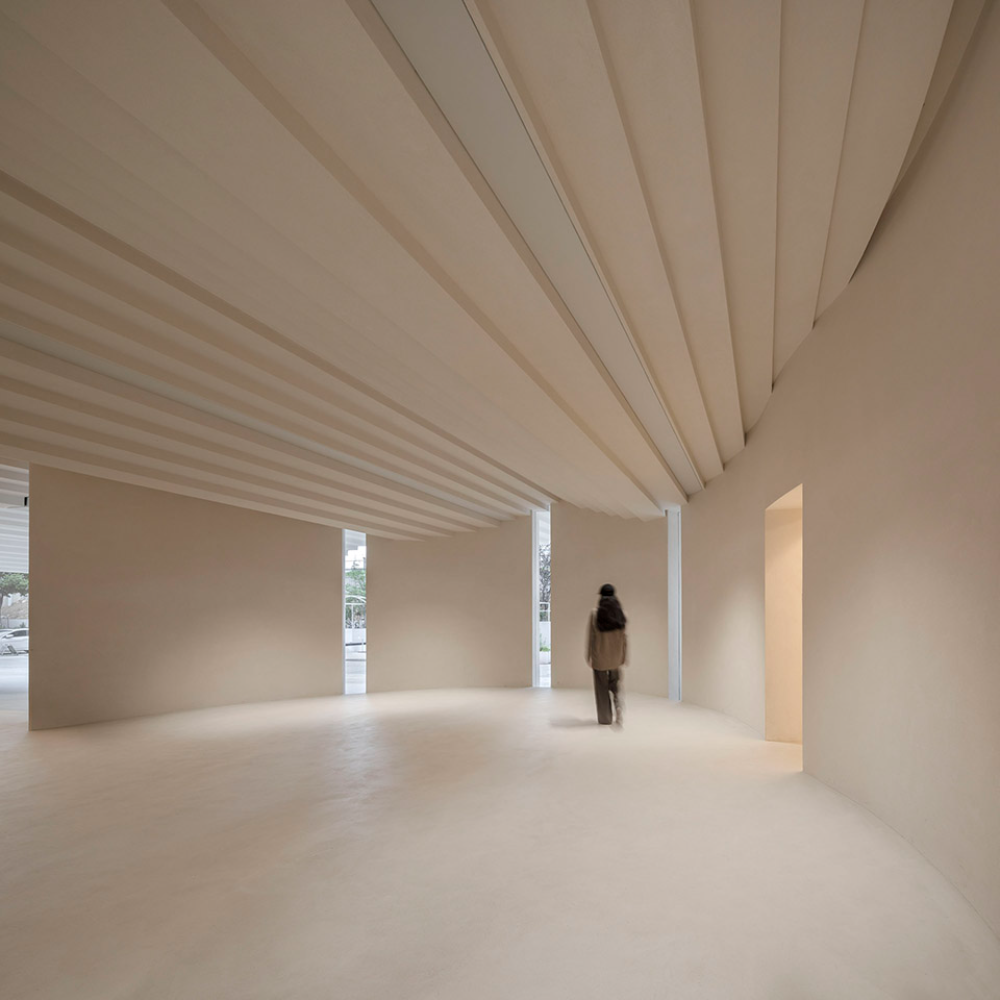
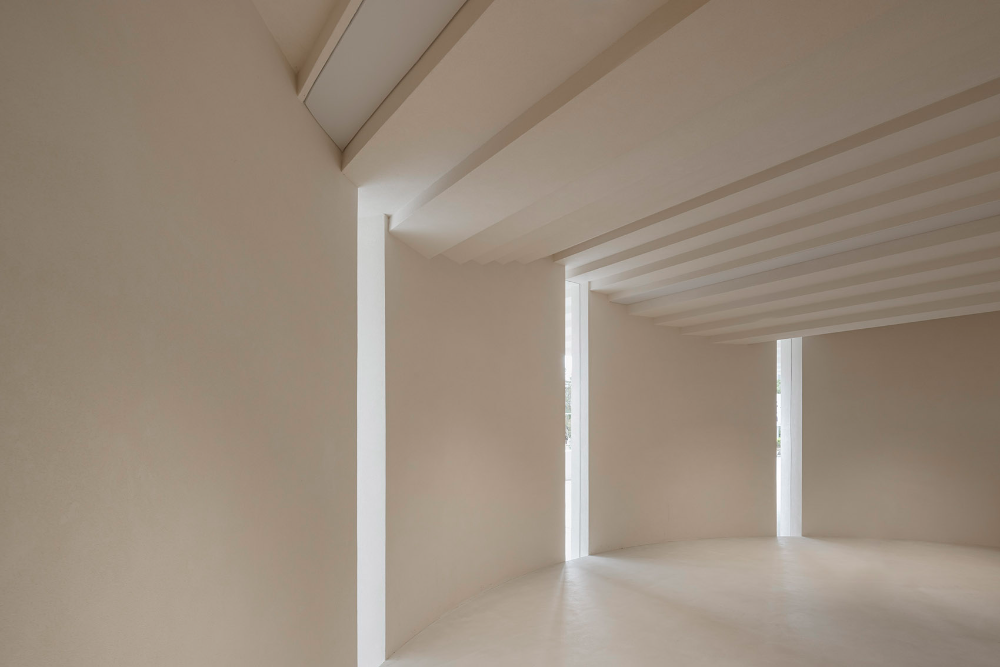
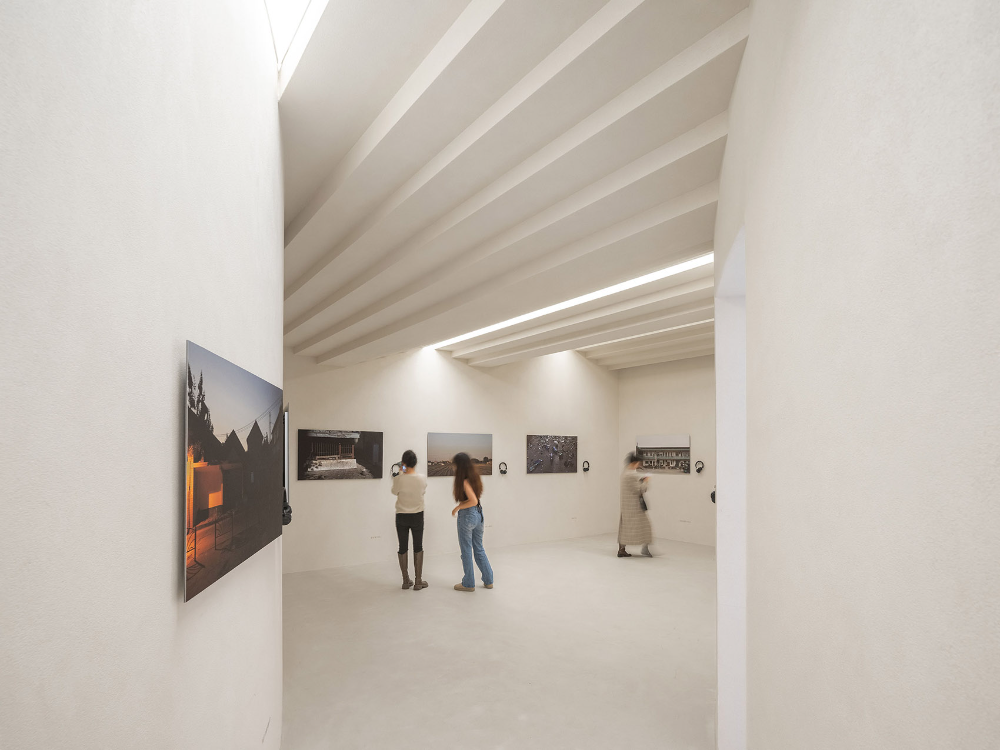
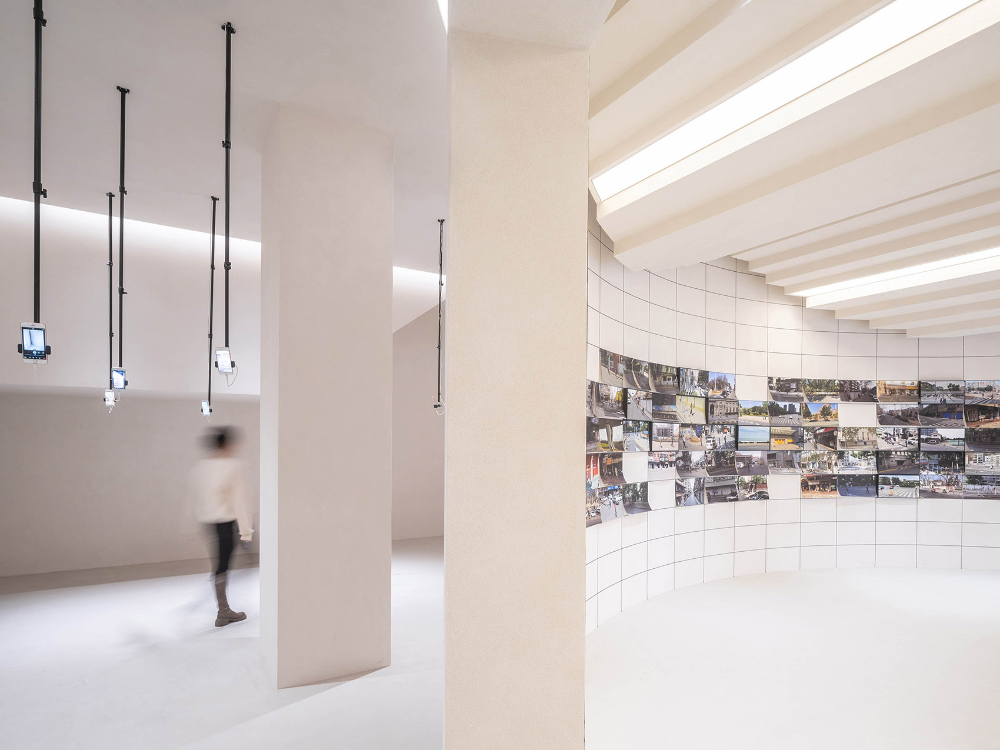
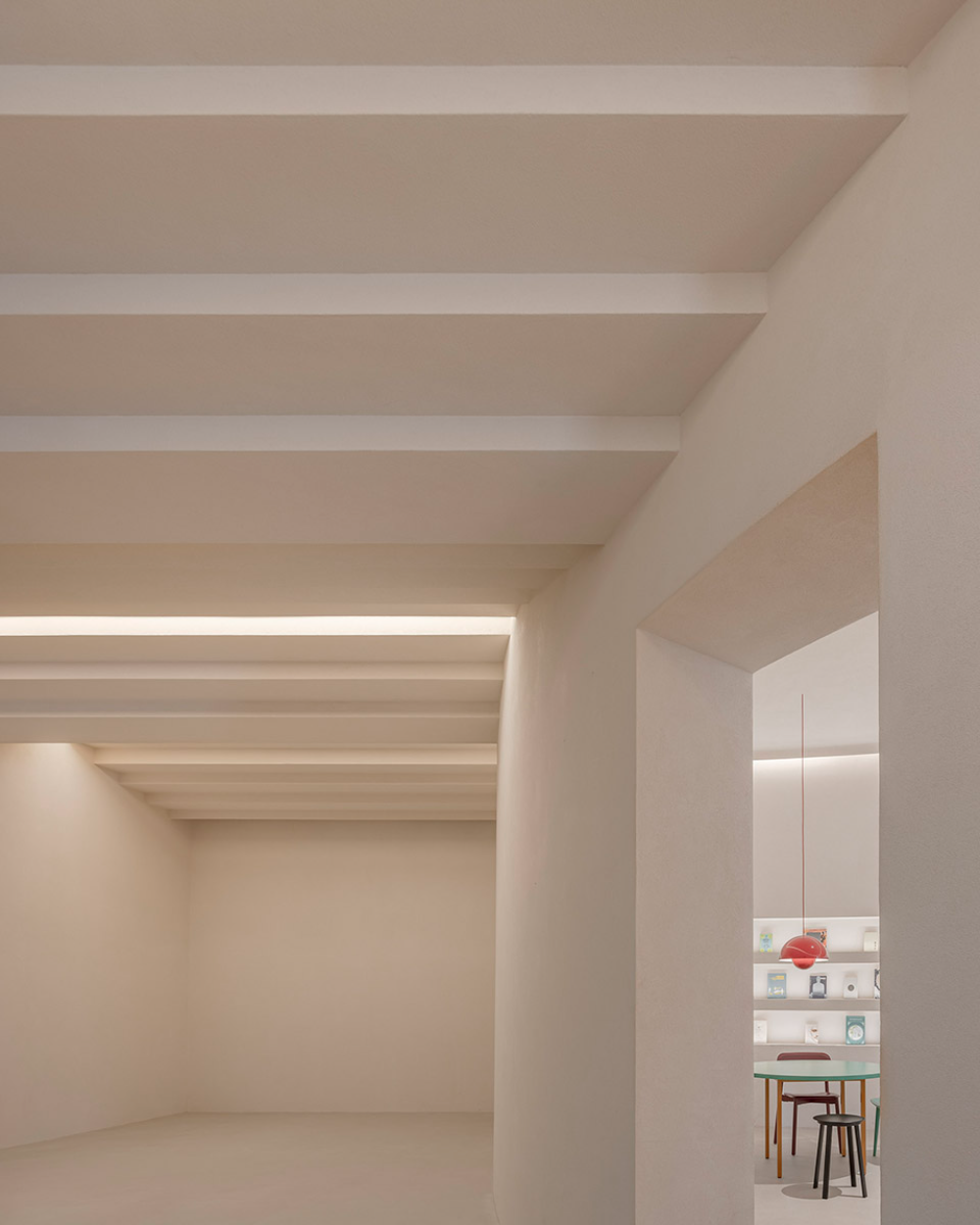
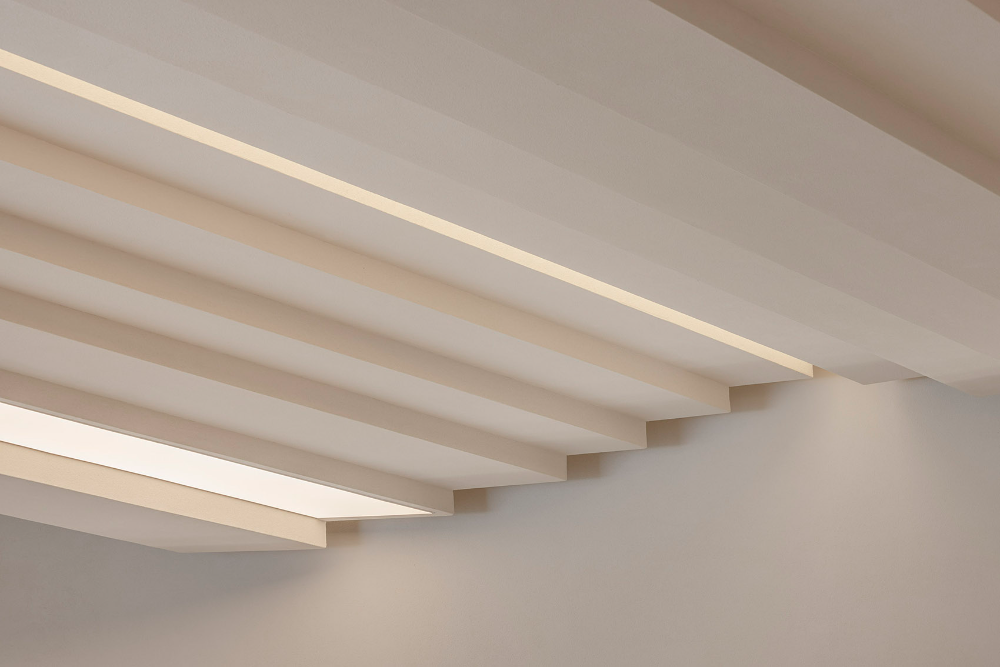
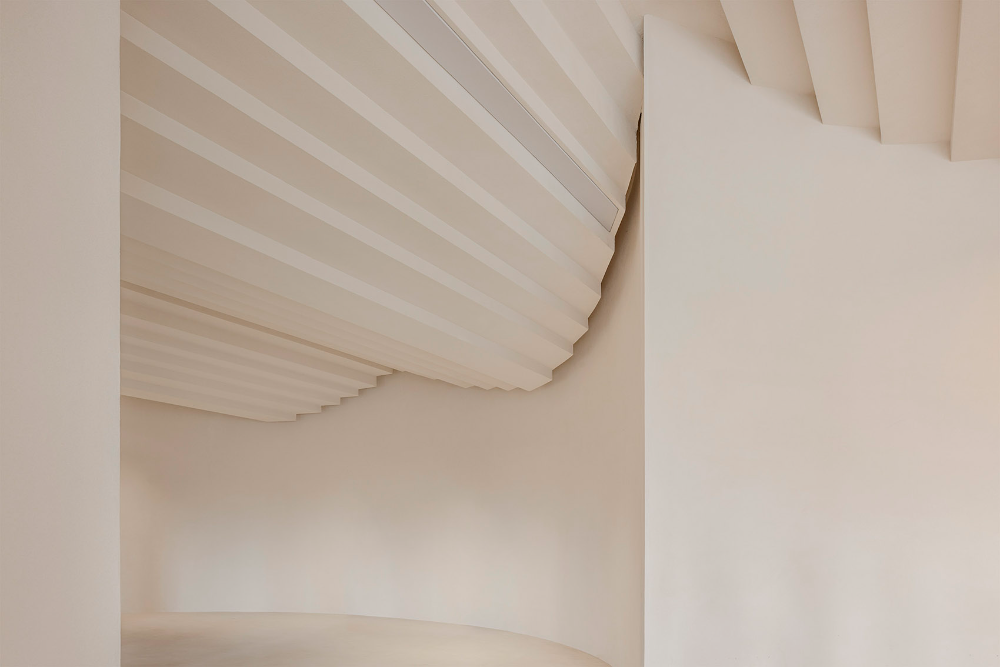
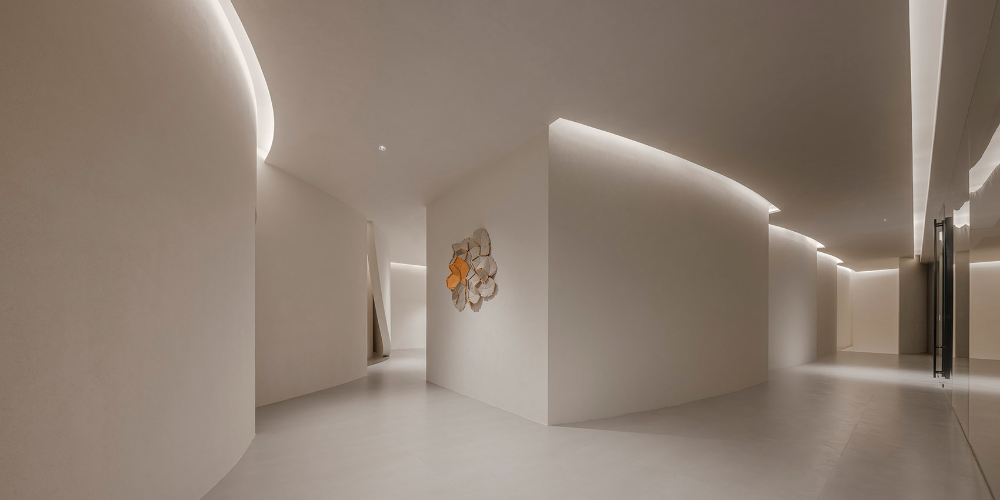
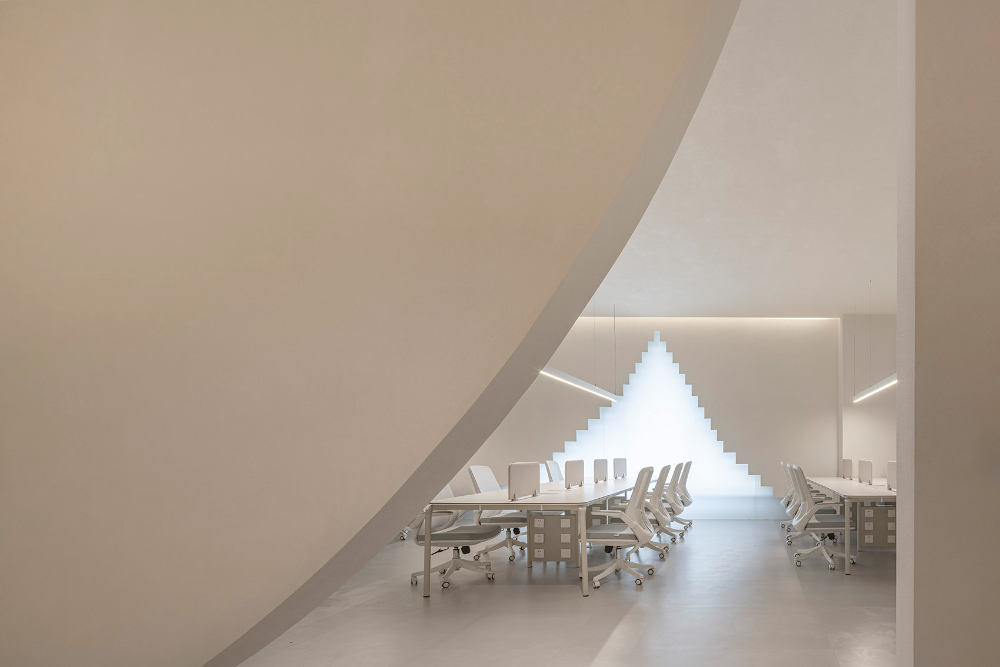
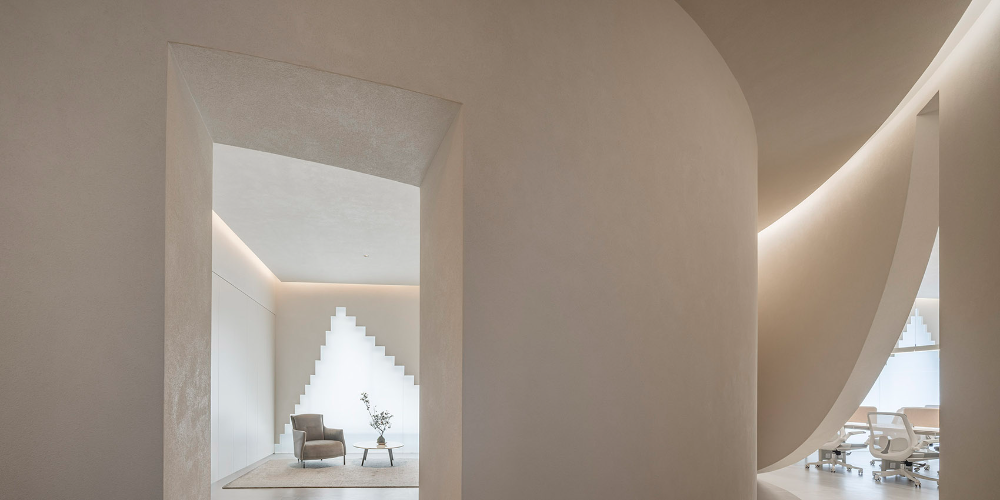
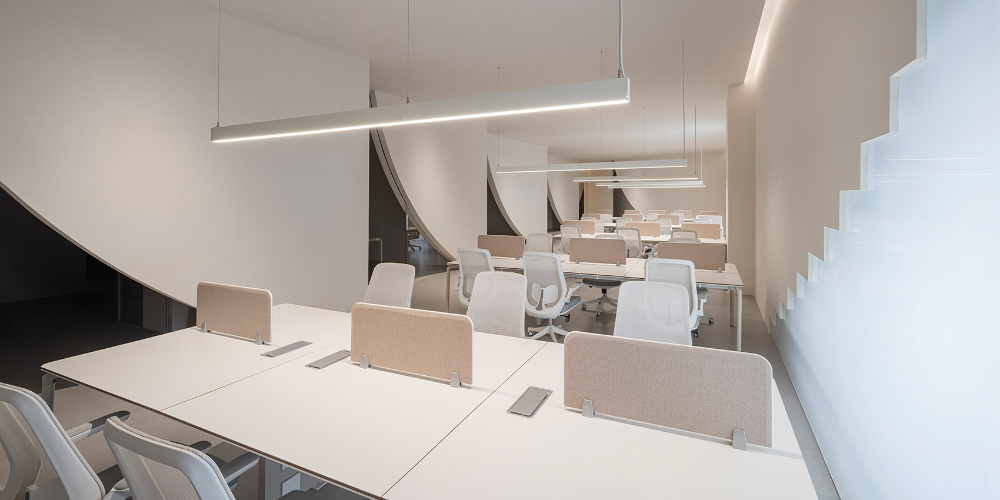
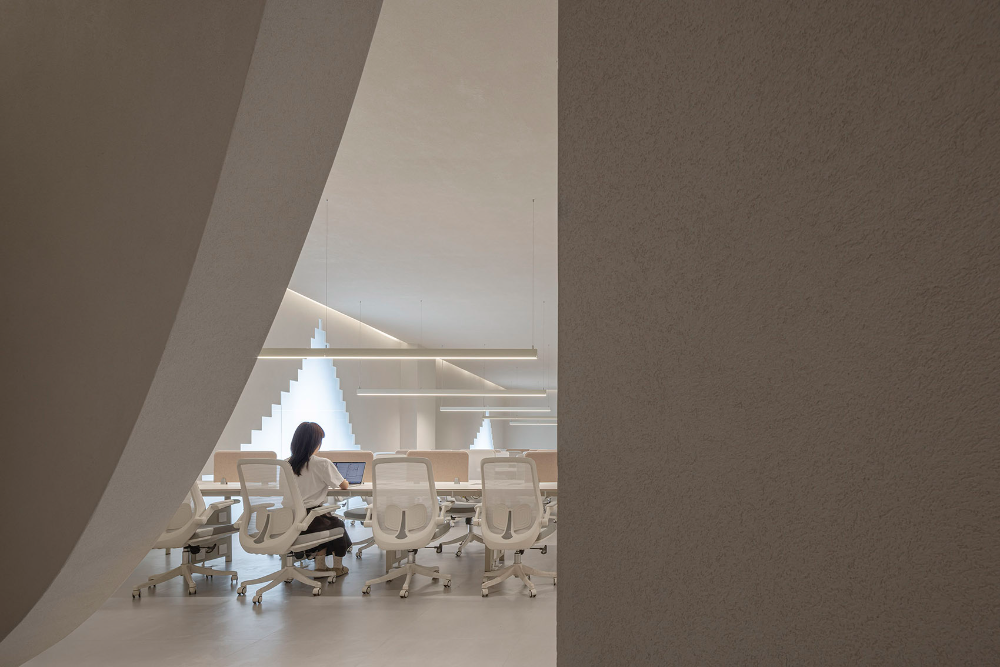
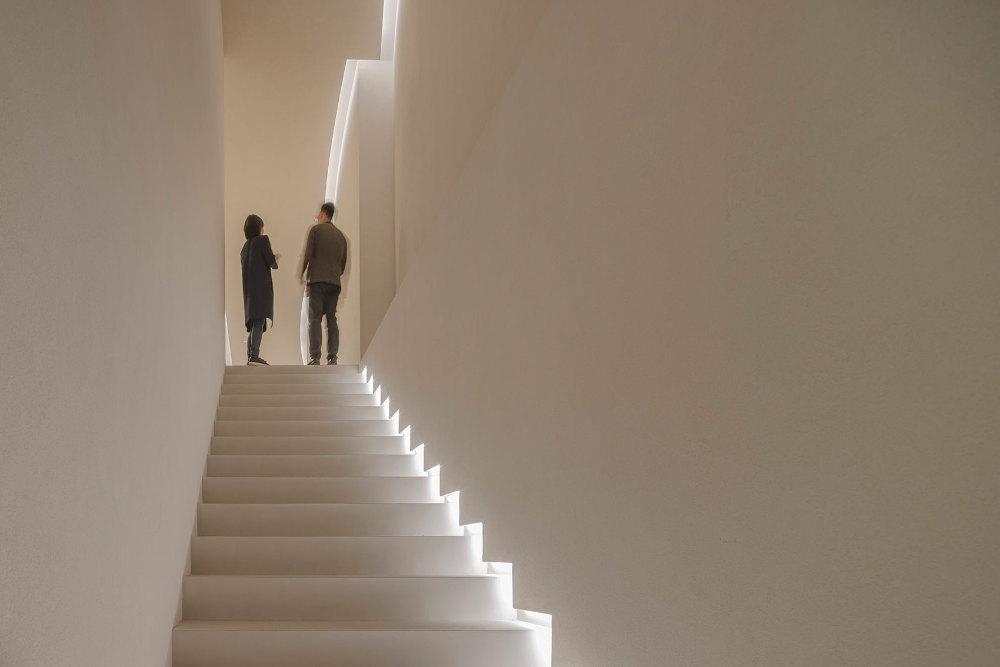
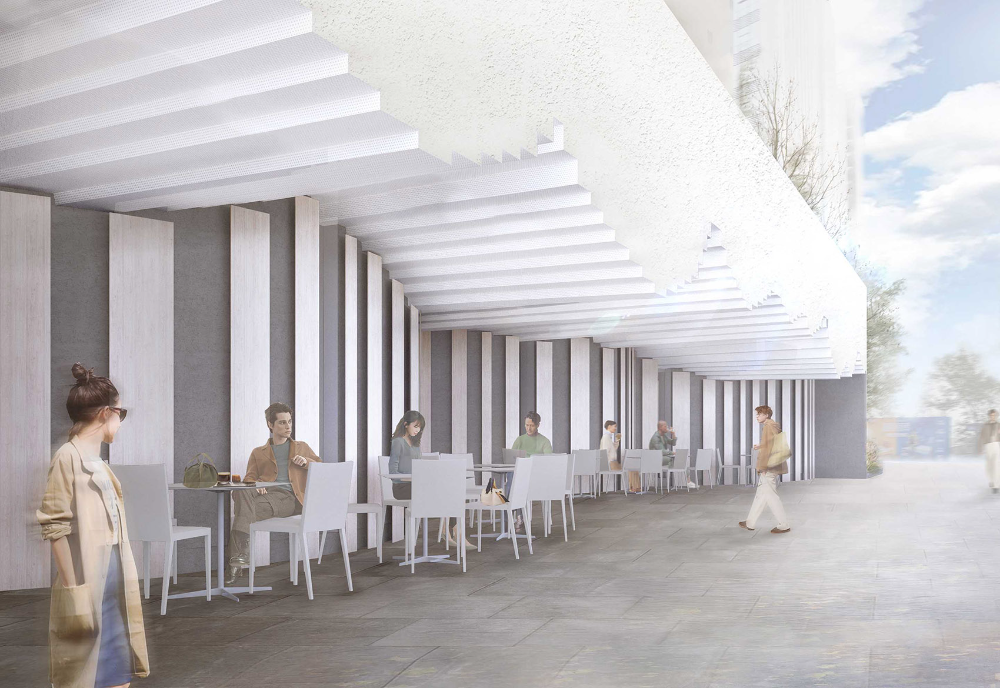
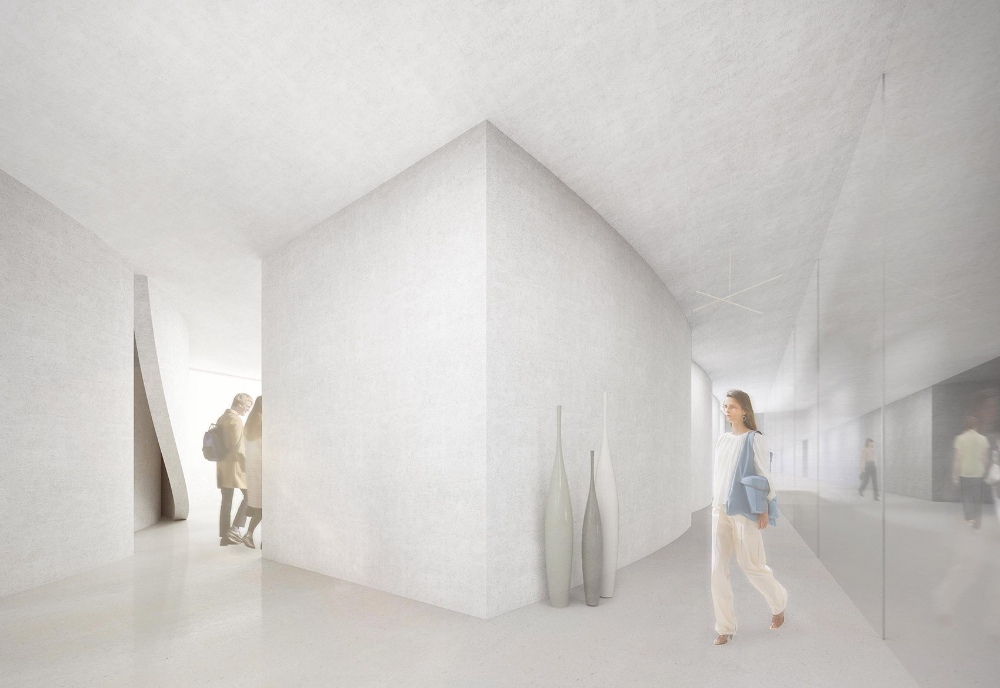
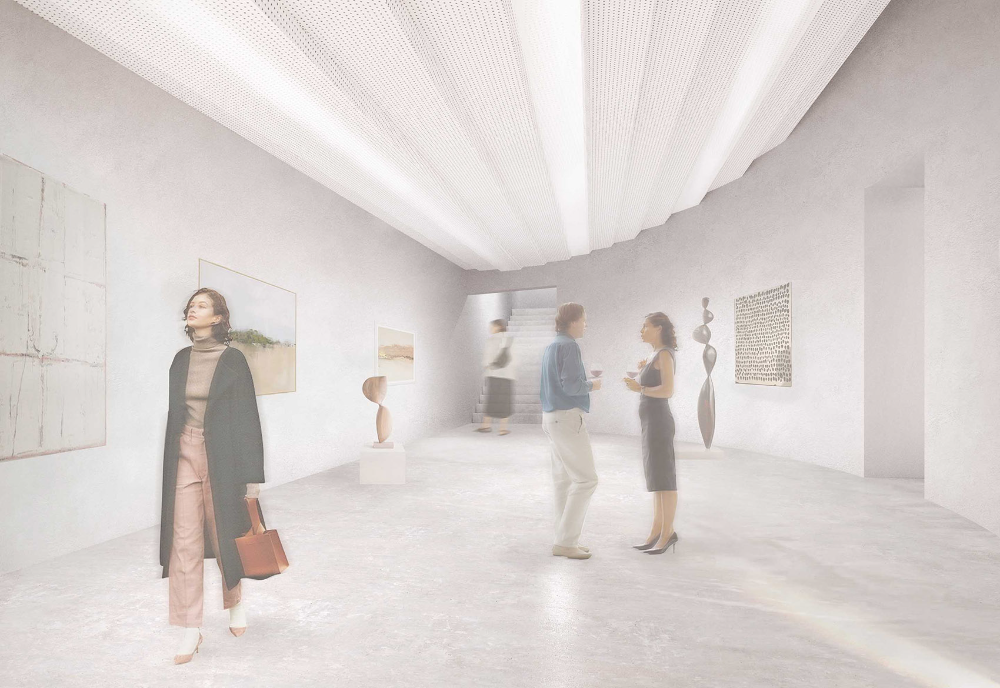
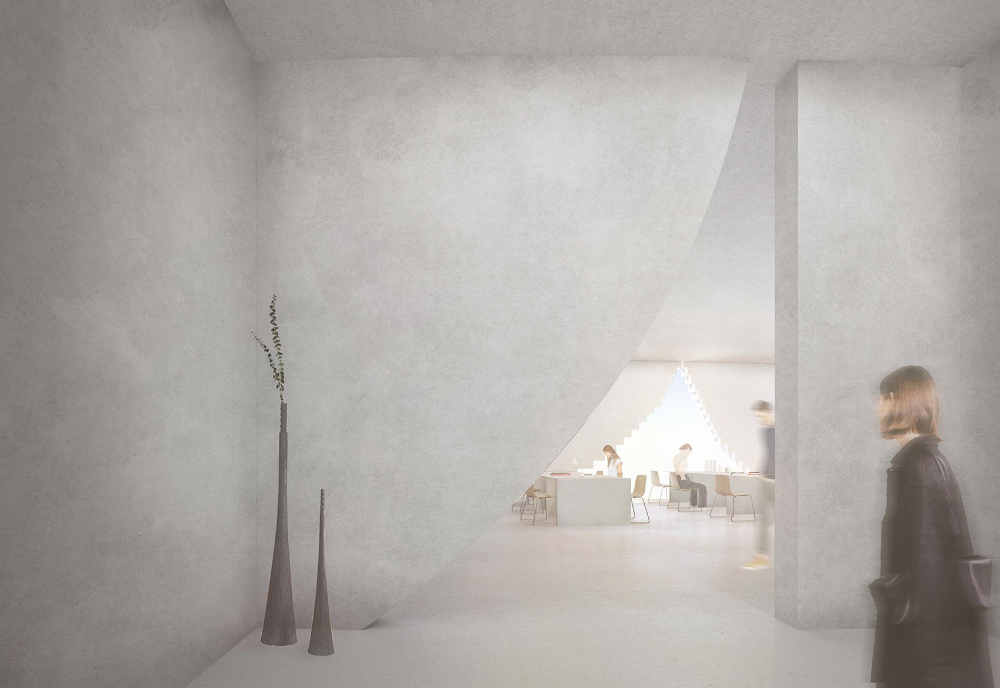
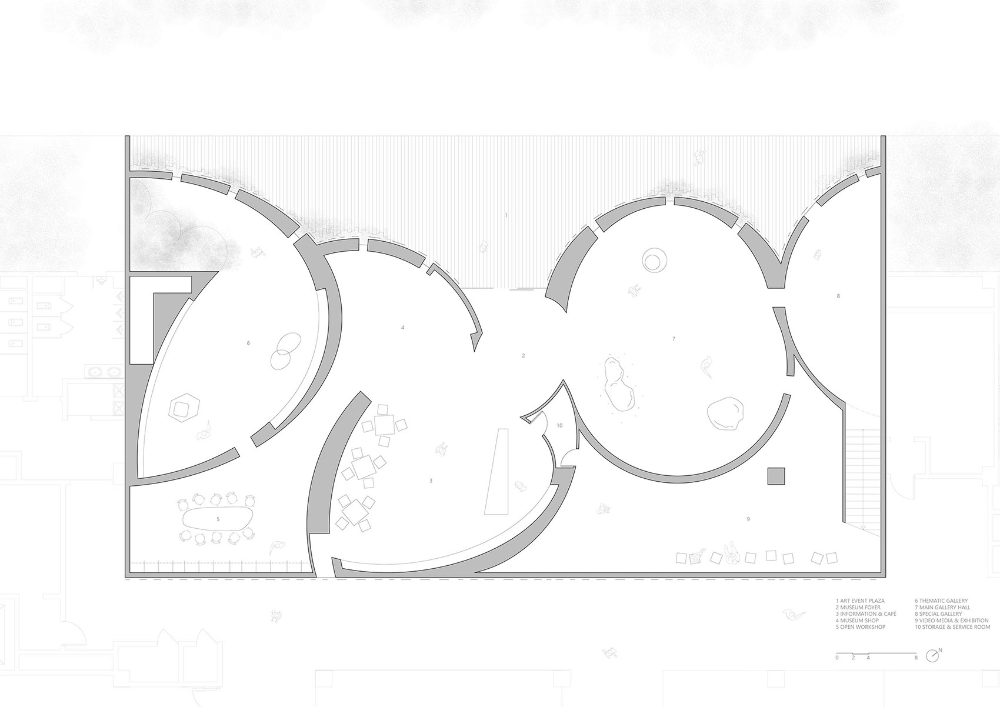
在首层空间,硕大的顶面灰空间提供人们交流、对话、关怀与问候等开放性场所,它体现当地人对生活的期望,以及对彼此的重视,而这样的情感交换提升当地居民对艺术与美的想像,替生活置入的强大能量。该建筑的锯齿状顶面联系数个艺术展览空间,顶面下方由数个曲面墙体支撑,创造出有如中国园林般曲径通幽,结合从外部渗透进来的光影,让自然与艺术相互对话,呈现一种永恒性的空间体验。二层空间是开放式办公,延续一层艺术文化展览,办公空间的形式与体验,不同于常规工作场域,设计透过曲线墙体的起伏,自然而然分隔与连接数个文化办公场所。自由延伸的墙体,带给工作人员有如美术馆自身的纯粹感,不仅强化办公环境的创意启发与文创设计,也增强工作之间的交流与讨论,创造文化活力并注入艺术氛围的工作场所。
In the first floor space, the large gray space on the top provides an open space for people to communicate, dialogue, care, and greet each other. It reflects the local people's expectations for life and their mutual importance, and such emotional exchange enhances the local residents' imagination of art and beauty, injecting powerful energy into their lives. The serrated roof of the building connects several art exhibition spaces, and is supported by several curved walls below, creating a winding path like a Chinese garden. Combined with the light and shadow permeating from the outside, it allows nature and art to dialogue with each other, presenting an eternal spatial experience. The second floor space is an open plan office, continuing the art and cultural exhibitions on the first floor. The form and experience of the office space are different from conventional workspaces. The design naturally separates and connects several cultural office spaces through the undulations of curved walls. The freely extending walls give the staff a sense of purity similar to that of an art museum, not only enhancing the creative inspiration and cultural design of the office environment, but also strengthening communication and discussion between work, creating a cultural vitality and injecting an artistic atmosphere into the workplace.
© Workspace、田方方
© Workspace、田方方
© Workspace、田方方
© Workspace、田方方
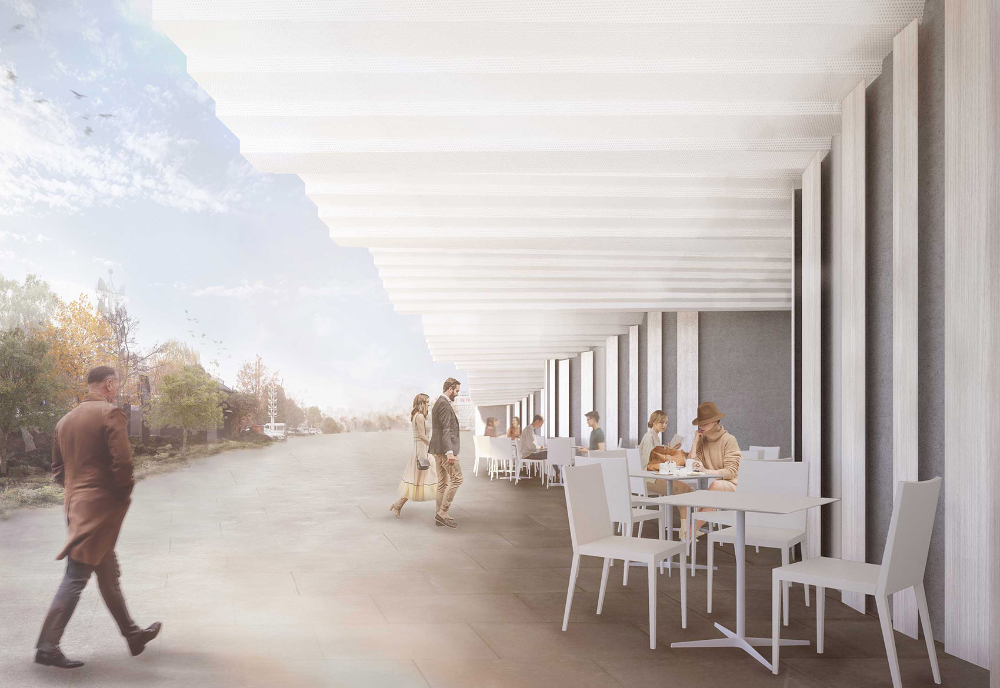
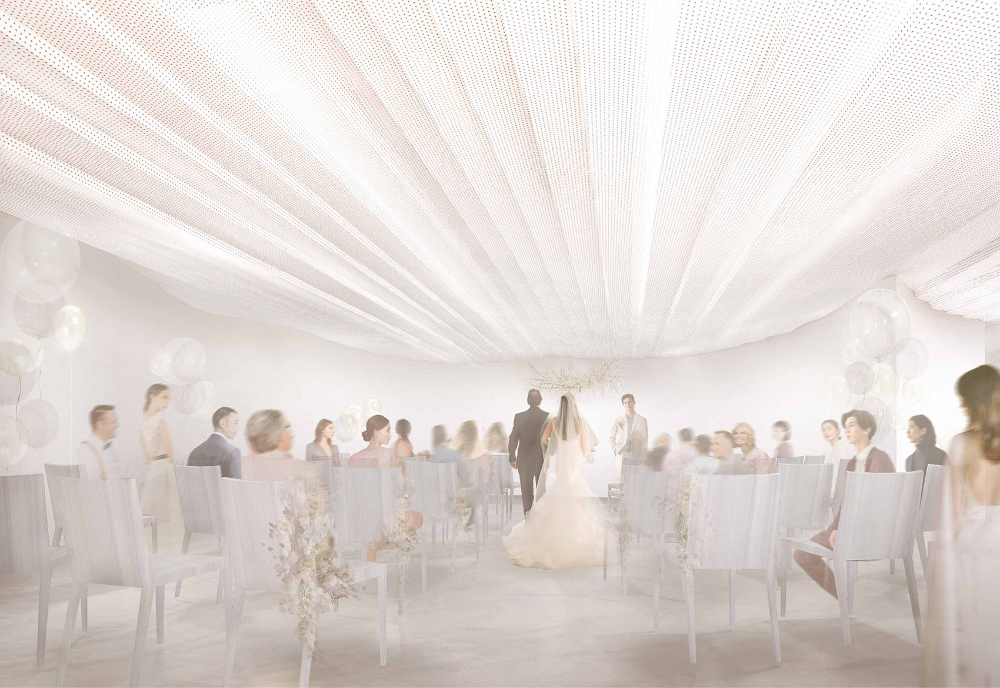
在白天,美术馆顶面藉由外部阳光的移动与变化,替外部艺术广场创造大片阴影空间,可提供访客一个休憩且感受环境变化的自然场域;在下午,建筑的孔洞过滤部份光影并渗透到内部,创造一处具有神圣且空灵的长线性光影空间,替访客到来精神性与仪式感;到了夜晚,建筑光线由内向外延伸,替无方向感的城市肌理,带来具有归属感与方向性的文化象征。
During the day, the top of the art museum creates a large shaded space for the external art square through the movement and changes of external sunlight, providing visitors with a natural space to rest and feel the changes in the environment; In the afternoon, the holes in the building filter out some light and shadow and penetrate into the interior, creating a sacred and ethereal linear light and shadow space that brings spiritual and ceremonial feelings to visitors; At night, the architectural light extends from the inside out, replacing the directionless urban texture with a cultural symbol of belonging and directionality.
© Workspace、田方方
© Workspace、田方方
© Workspace、田方方
© Workspace、田方方
© Workspace、田方方
© Workspace、田方方
© Workspace、田方方
© Workspace、田方方
© Workspace、田方方
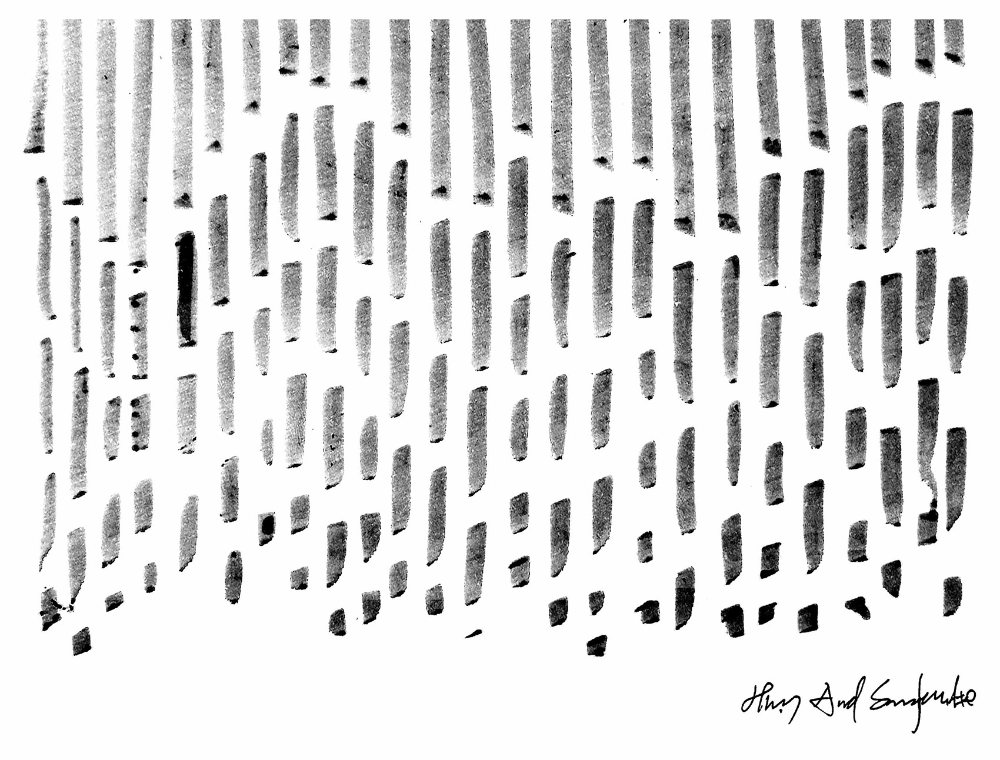
此外,Simple Art美术馆邻近于南淝河,该河流具有丰富的文化记忆与历史价值,也被当地市民称为合肥的母亲河,特别是在平日夕阳照射所产生的水波浮动效果,展现其河道受自然环境冲刷变化的千年历史。因此,Hung And Songkittipakdee(HAS)将南淝河特有的水波,巧妙的转换成空间感知,透过曲面的墙体与起伏的顶面,在午后夕阳光线渗透进入室内时,顶面有如还原南淝河特有的水波浮动,其光线倒映着内外上下整体空间,建筑本身犹如一幅抽象般的艺术画作。该建筑不仅只是一个提供艺术展览与文化交流的美术馆,建筑师Jenchieh Hung与Kulthida Songkittipakdee致力透过空间,激发当地人对于美的好奇与渴望,并在钢筋混凝土的城市中,带来一处具有跨时代精神,连接传统与当代的文化建筑。
In addition, the Simple Art Museum is located near the Nanfei River, which has rich cultural memory and historical value. It is also known as the mother river of Hefei by local residents, especially the floating effect of water waves caused by the sunset on weekdays, showcasing the millennium history of its river channel being eroded and changed by the natural environment. Therefore, Hung And Songkittipakdee (HAS) ingeniously transforms the unique water waves of the Nanfei River into spatial perception. Through the curved walls and undulating roof, when the afternoon sunset light penetrates into the interior, the roof appears to replicate the unique water waves of the Nanfei River, reflecting the overall space inside and outside. The building itself is like an abstract art painting. This building is not just an art museum that provides art exhibitions and cultural exchange. Architects Jenchieh Hung and Kulthida Songkittipakdee are committed to inspiring local curiosity and desire for beauty through space, and bringing a cultural building with a cross era spirit that connects tradition and modernity in the reinforced concrete city.
© Workspace、田方方
© Workspace、田方方
© Workspace、田方方
© Workspace、田方方
© Workspace、田方方
© Workspace、田方方
© Workspace、田方方
© Workspace、田方方
© Workspace、田方方
© Workspace、田方方
© Workspace、田方方
© Workspace、田方方
© Workspace、田方方
© Workspace、田方方
▼效果图
▼一层平面图
▼西立面
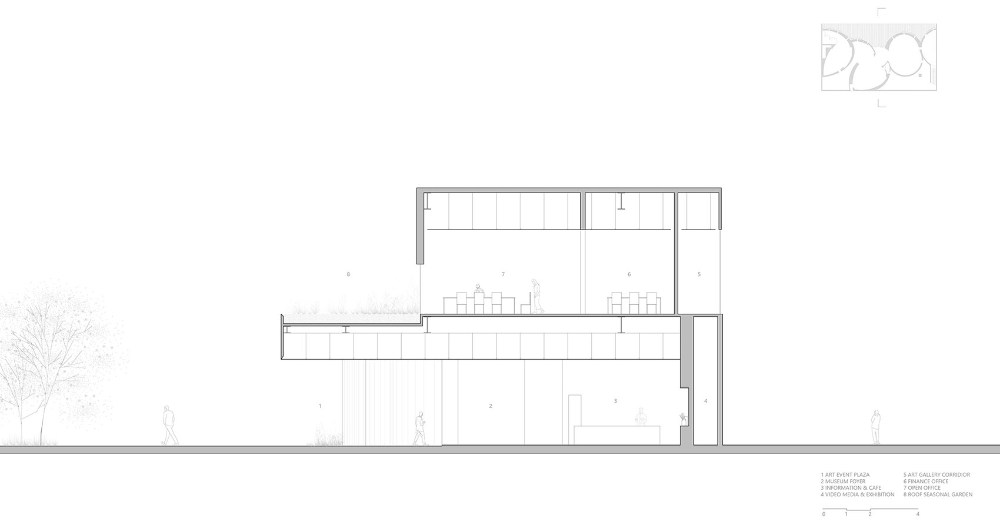
▼剖面
项目信息--
项目名称:Simple Art美术馆
项目类型:美术馆设计、展览空间设计、展厅设计、艺术馆设计、艺术空间设计
项目地址:合肥
建筑设计:HAS design and research建筑事务所
主 创及设计团队:洪人杰(Jenchieh Hung)、Kulthida Songkittipakdee、Jenchieh Hung、Kulthida Songkittipakdee、Atithan Pongpitak
照明技术:Visual Feast(VF)
照明顾问:刘采菱
景观顾问:杨玮利
施工顾问:宋在卫
施工:广东星艺装饰集团安徽有限公司
基地面积:600平方米
建筑面积:1,150平方米
设计年份/建成年份:2024
摄影版权:Workspace、田方方