- 西藏美术馆:拉萨工业遗产改造的艺术殿堂与设计解析
-
2025-11-11
© 苏圣亮、尹明
西藏地处“世界屋脊”,是中国文化版图中的一块高原圣土。首府拉萨是一座古老而神秘的城市,因其地理位置、历史发展、文化背景等特殊性和唯一性,长期以来一直是藏汉等各族人民共生共处的圣地,也是多民族文化艺术蓬勃发展的聚集地。然而直至2018年,由于地理环境严苛、经济发展不平衡等因素,西藏仍是没有省级美术馆的地区。为了更好地向世界展示喜马拉雅艺术的独特成就,在以韩书力为代表的驻藏艺术家群体的长期奔走呼吁下,西藏美术馆项目由国家相关部门批准立项。
Xizang, located on the "roof of the world", is a sacred plateau in the territory of Chinese culture. Lhasa, the capital city, is an ancient and mysterious city. Due to its unique geographical location, historical development, and cultural background, it has long been a holy land for the coexistence of various ethnic groups such as Tibetan and Han, as well as a gathering place for the flourishing development of multi-ethnic culture and art. However, until 2018, due to harsh geographical environment, unbalanced economic development and other factors, Xizang still has no provincial art museums. In order to better show the unique achievements of Himalayan art to the world, the Xizang Art Museum project was approved by the relevant national departments under the long-term appeal of artists in Tibet represented by Han Shuli.
西藏美术馆
Xizang Art Museum
-- -
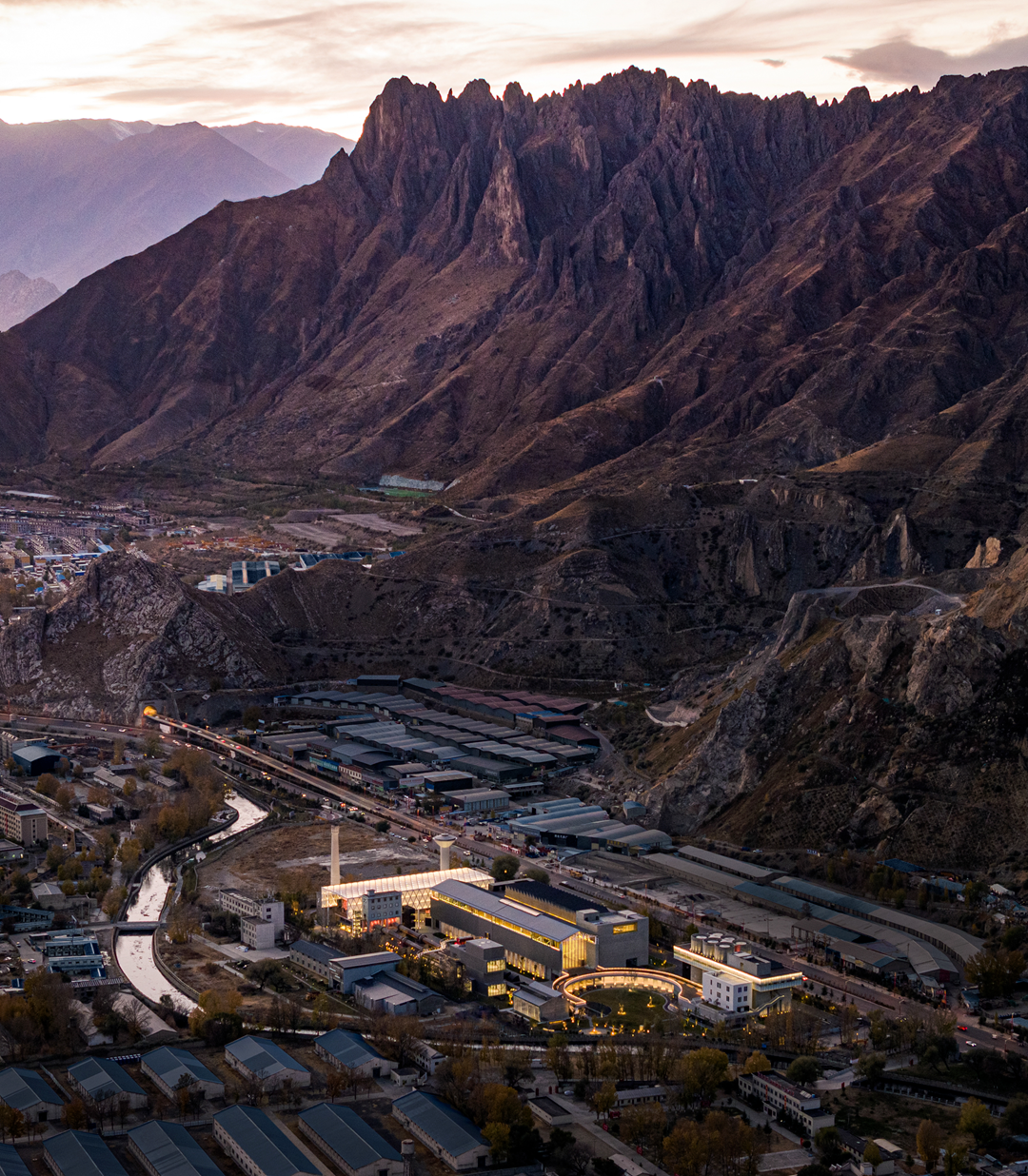
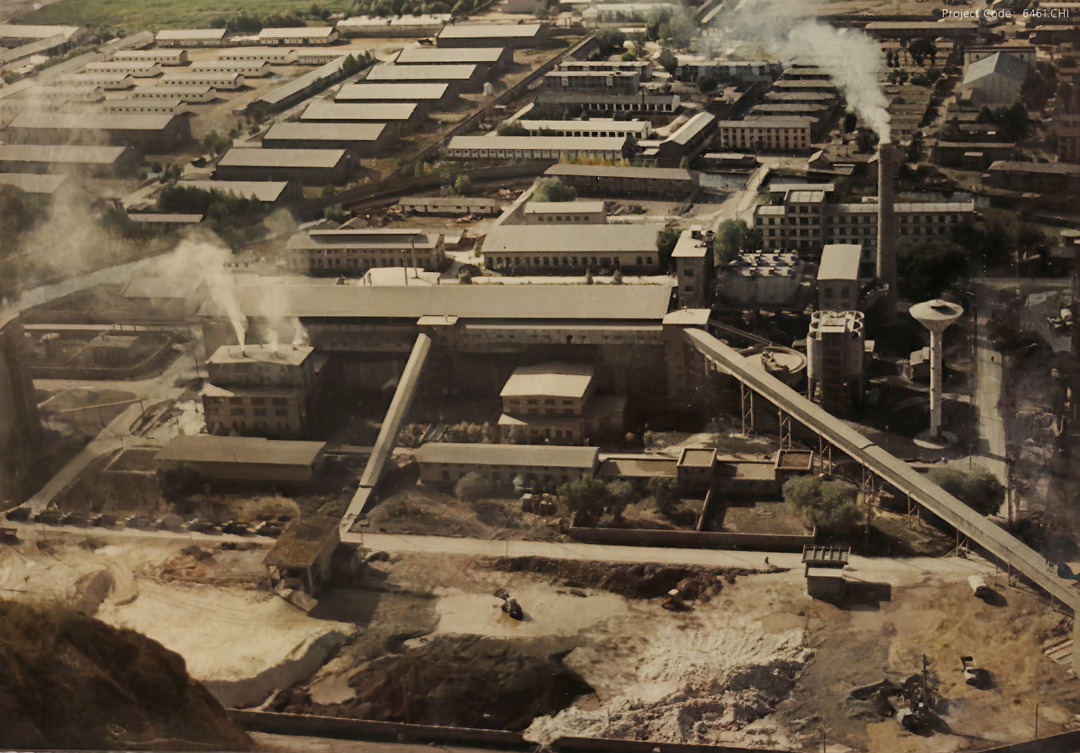
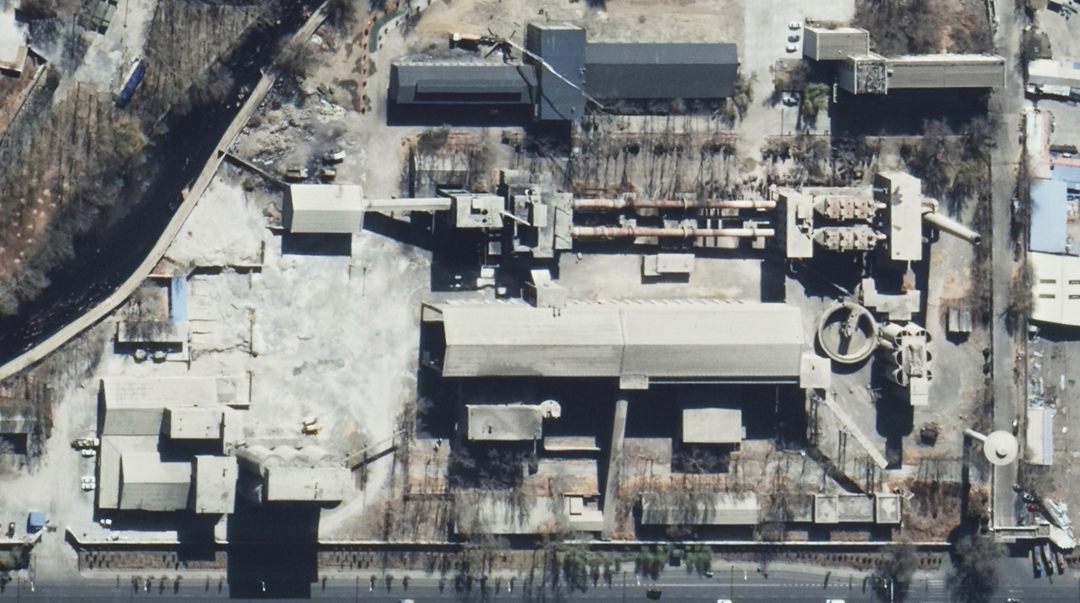
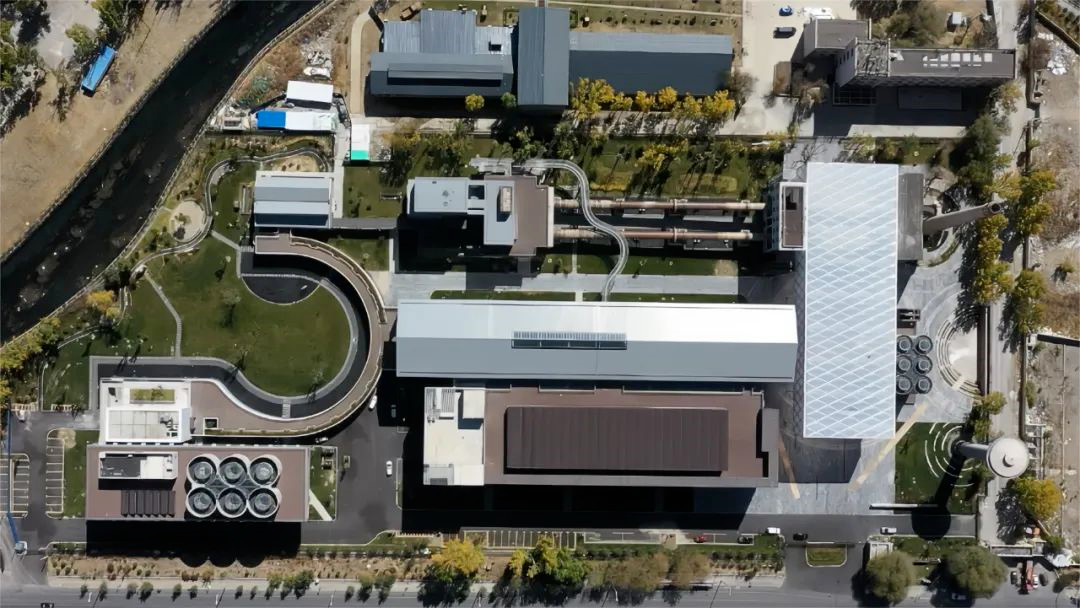
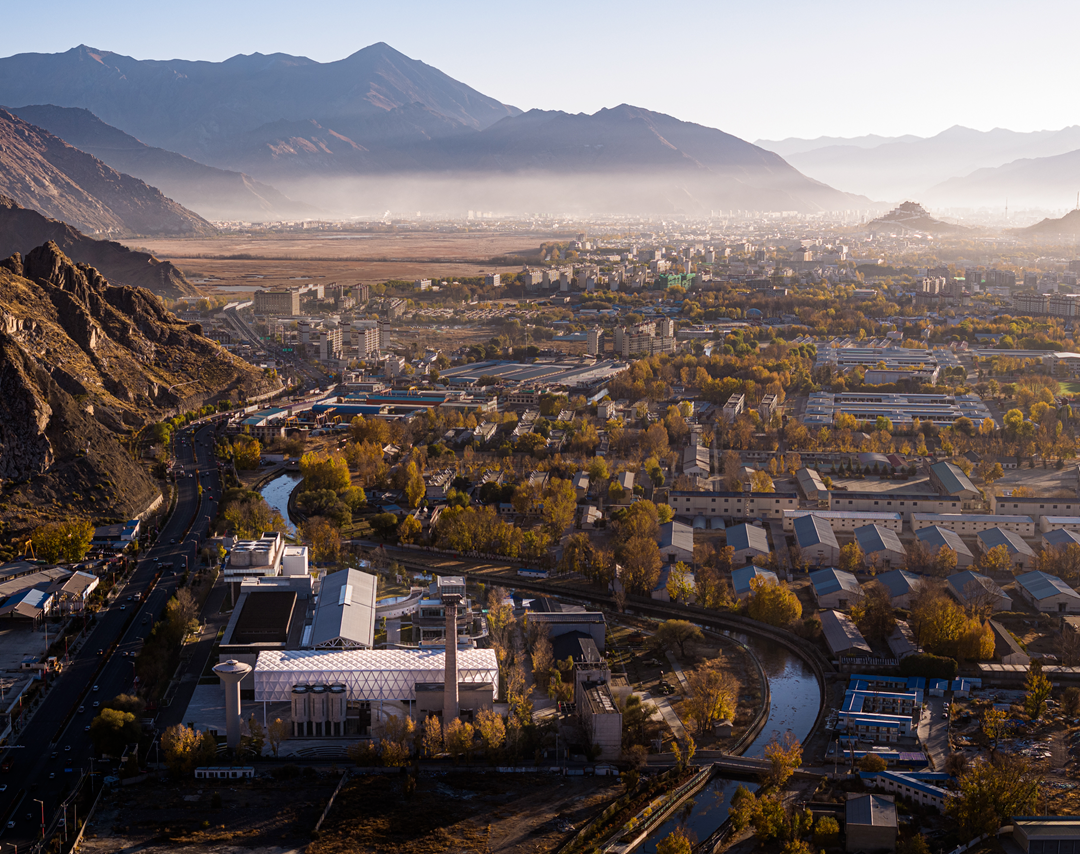
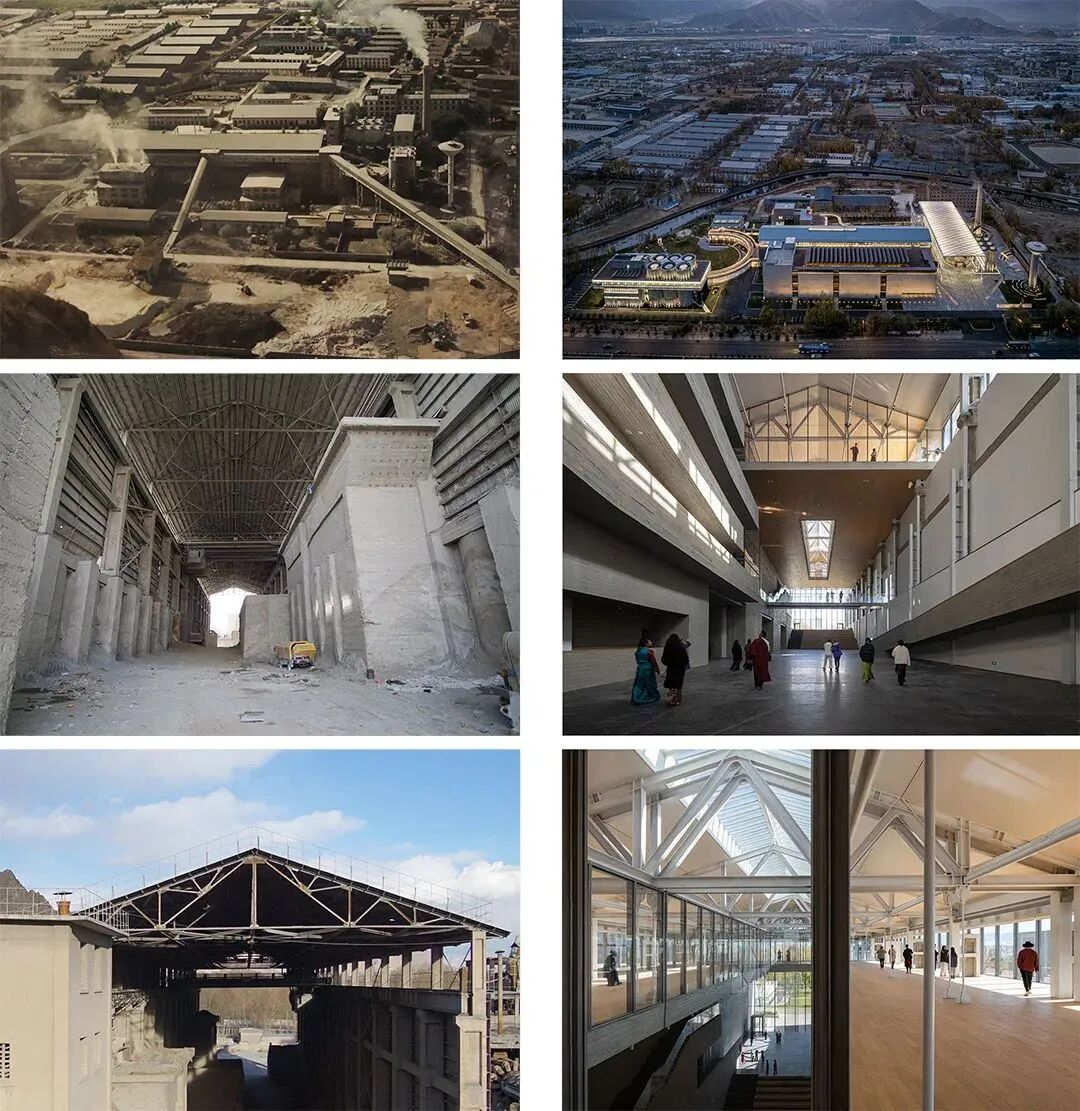
西藏美术馆是依托拉萨水泥厂旧址进行的再生改造工程,也是中国唯一采用工业遗产改造而成的省级美术馆。拉萨水泥厂始建于1960年,是西藏和平解放之后建立的最早、最大的水泥生产企业,它对西藏的经济和社会发展做出过巨大贡献,原有厂区具有重要的历史意义。建设西藏美术馆的初衷旨在承载西藏工业文明的延续和工业遗产的再生利用,打造一个集收藏、展览、研究、交流、教育等于一体的现代化综合性美术馆。
The Xizang Art Museum is a regeneration project based on the old site of Lhasa Cement Plant, and it is also the only provincial art museum transformed from industrial heritage in China. Lhasa Cement Plant, founded in 1960, is the earliest and largest cement production enterprise established after the peaceful liberation of Xizang. It has made great contributions to the economic and social development of Xizang, and the original plant has important historical significance. The original intention of building Xizang Art Museum is to carry the continuation of Xizang's industrial civilization and the recycling of industrial heritage, and to create a modern comprehensive art museum integrating collection, exhibition, research, exchange and education.
© 苏圣亮、尹明
© 苏圣亮、尹明
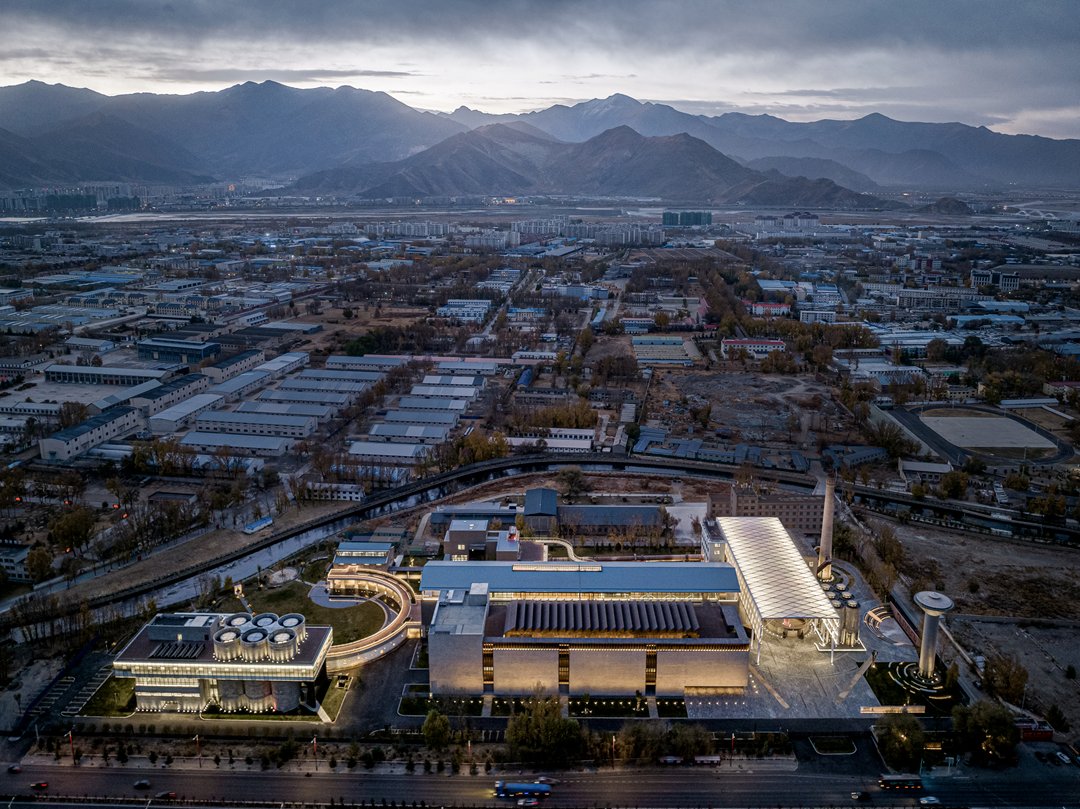
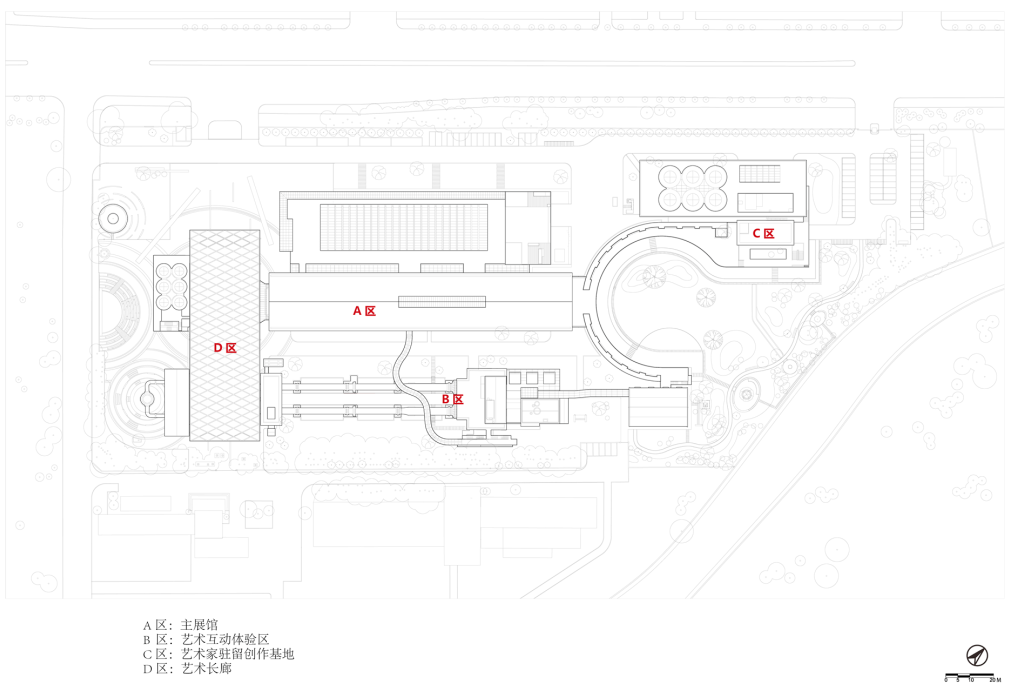
老水泥厂原有的水泥生产线保存较为完整,厂房建筑单体和各种设备散落分布于整个场地内部,设计团队在详尽地勘察厂区建筑及设备现状后,通过对新老空间的重构,重新编织空间完整和体验共享的新叙事。新的设计融合了工业遗产的分散布局,巧妙地将美术馆的主要功能分解为集中的主展馆与围绕主馆的三个配套附属区域,形成四大分区。
The original cement production line of the old cement plant is relatively well preserved, with individual buildings and various equipment scattered throughout the site. After a detailed investigation of the current status of the factory buildings and equipment, the design team reconstructed the new and old spaces to weave a new narrative of complete space and shared experience. The new design integrates the dispersed layout of industrial heritage, cleverly decomposing the main functions of the art museum into a centralized main exhibition hall and three supporting ancillary areas surrounding the main hall, forming four major zones.
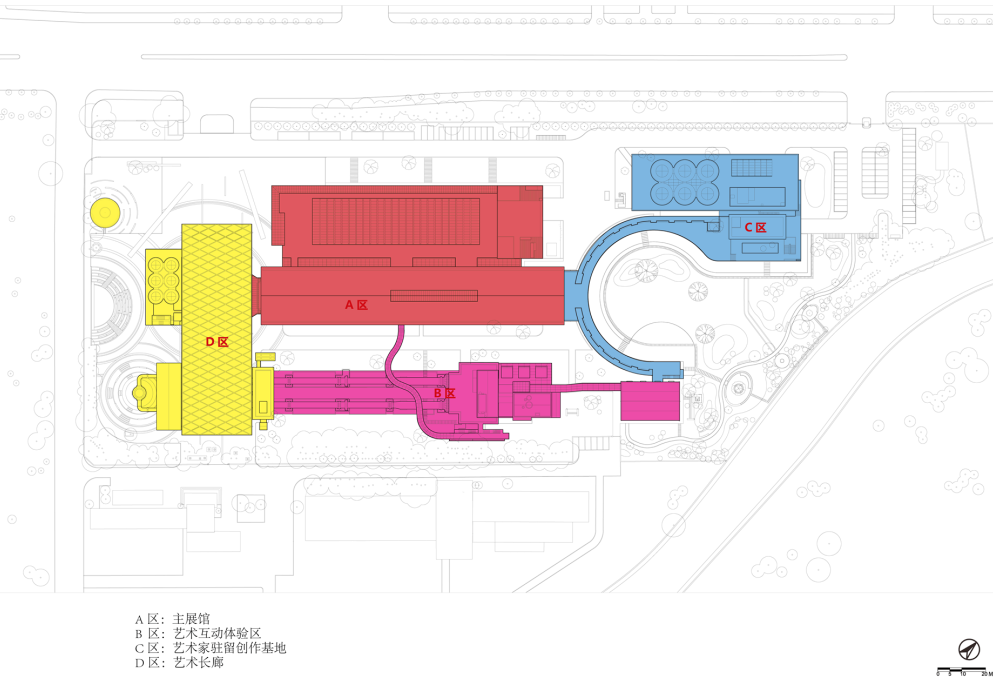
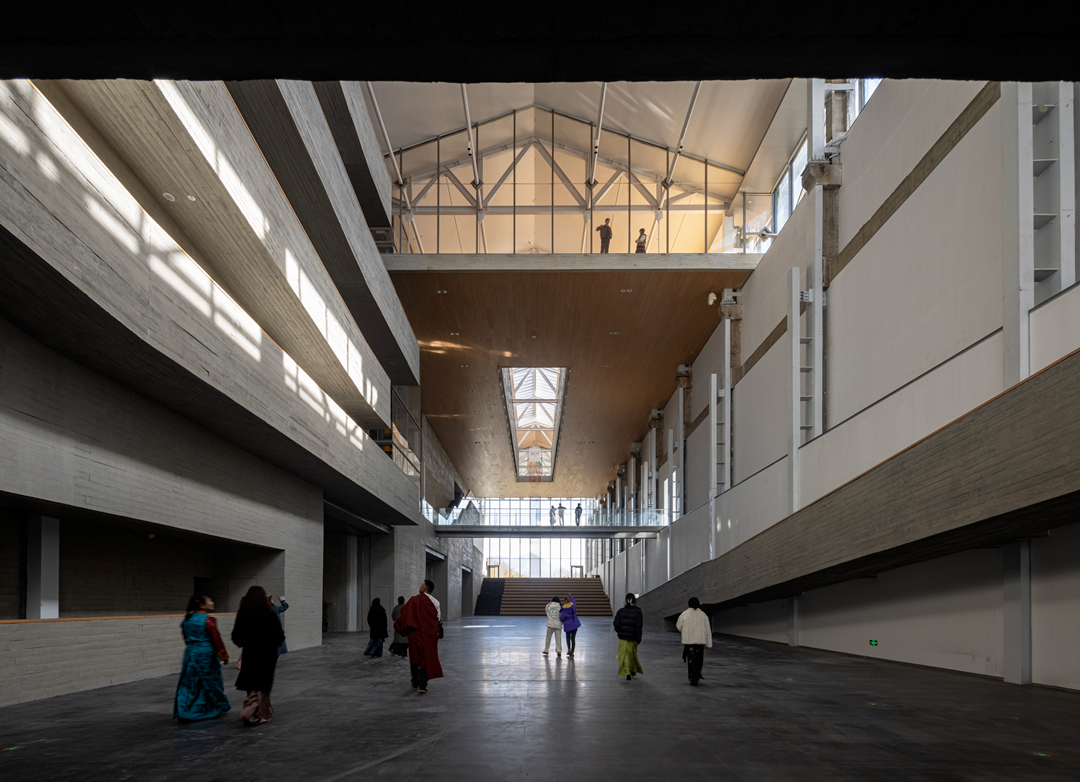
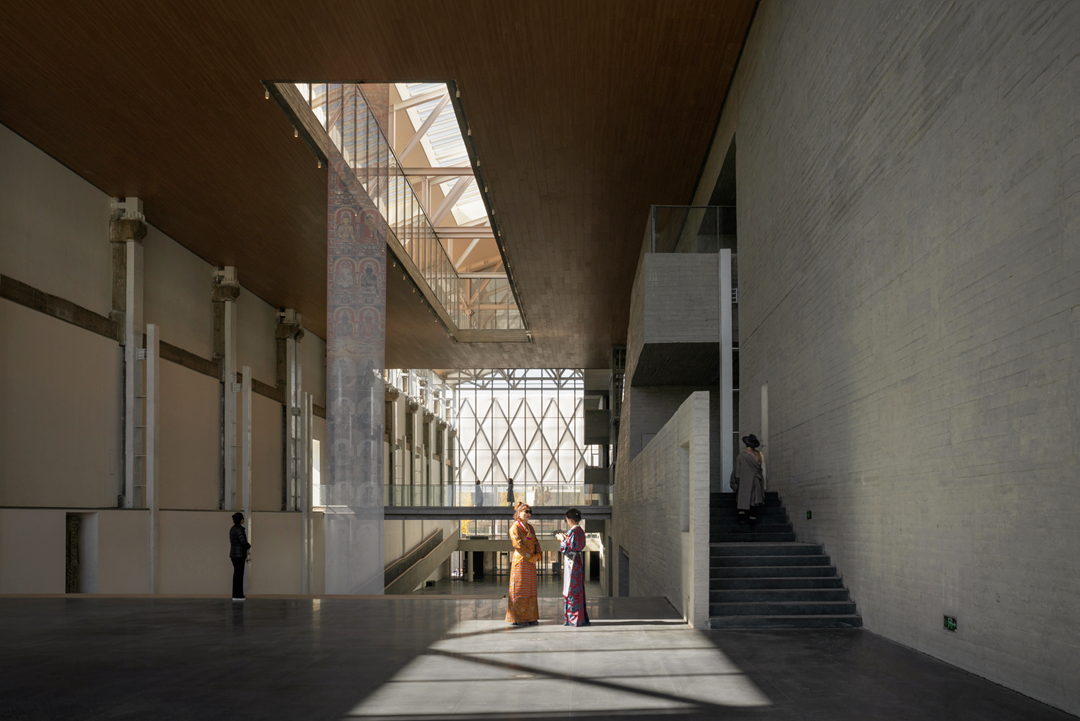
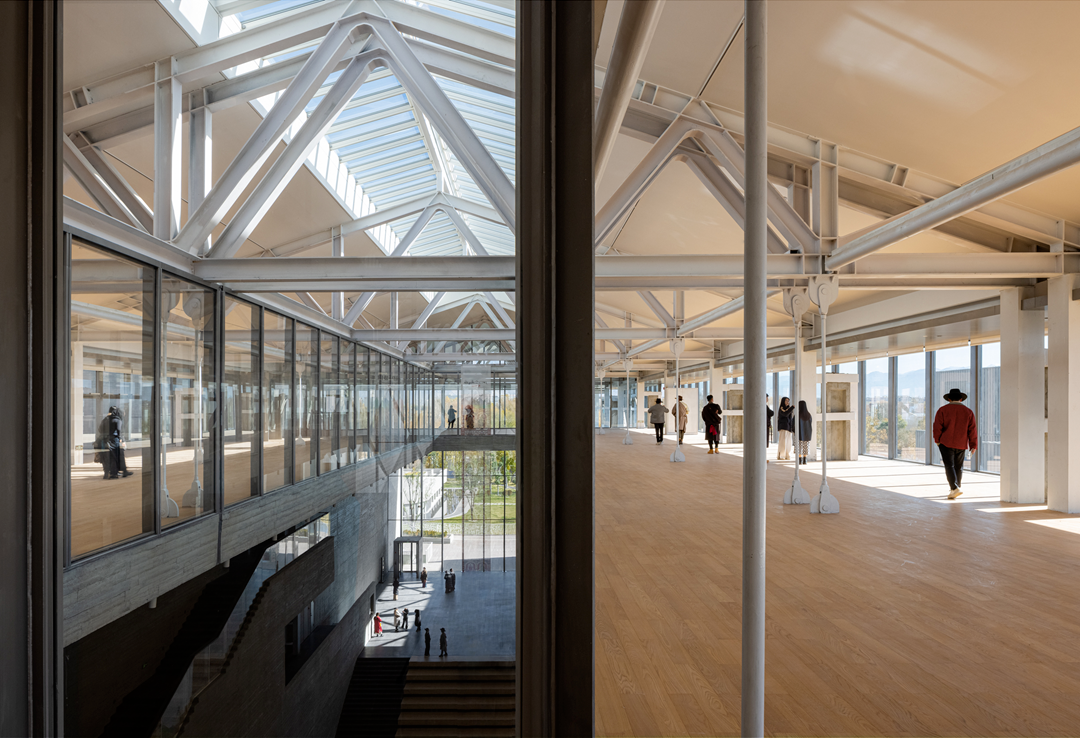
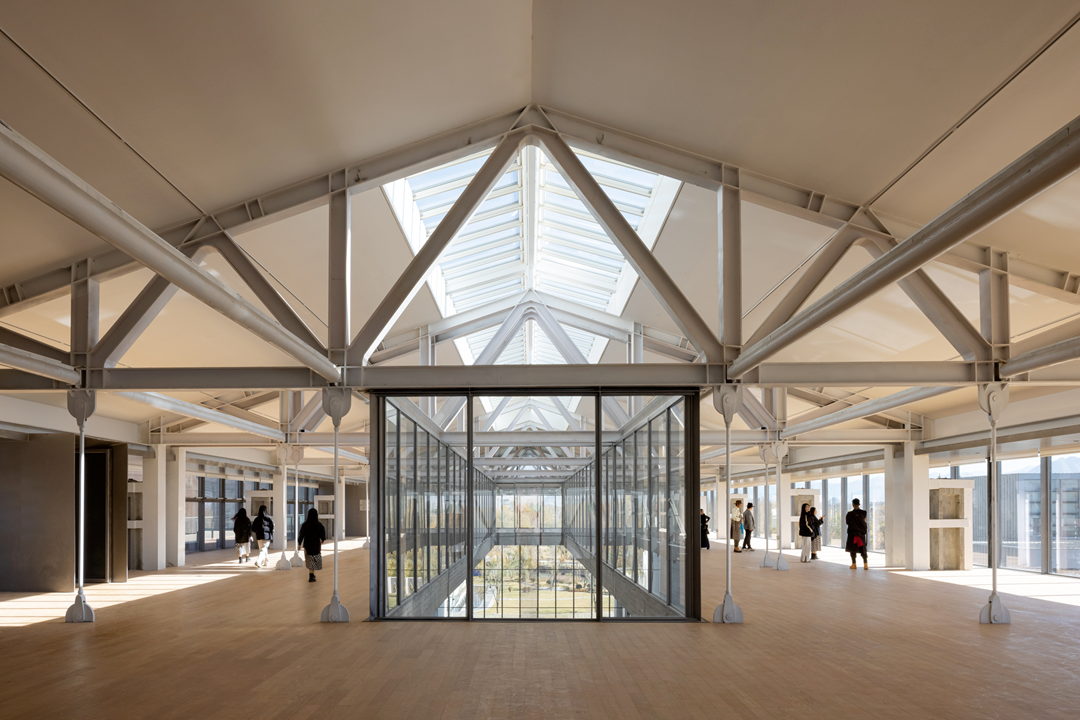
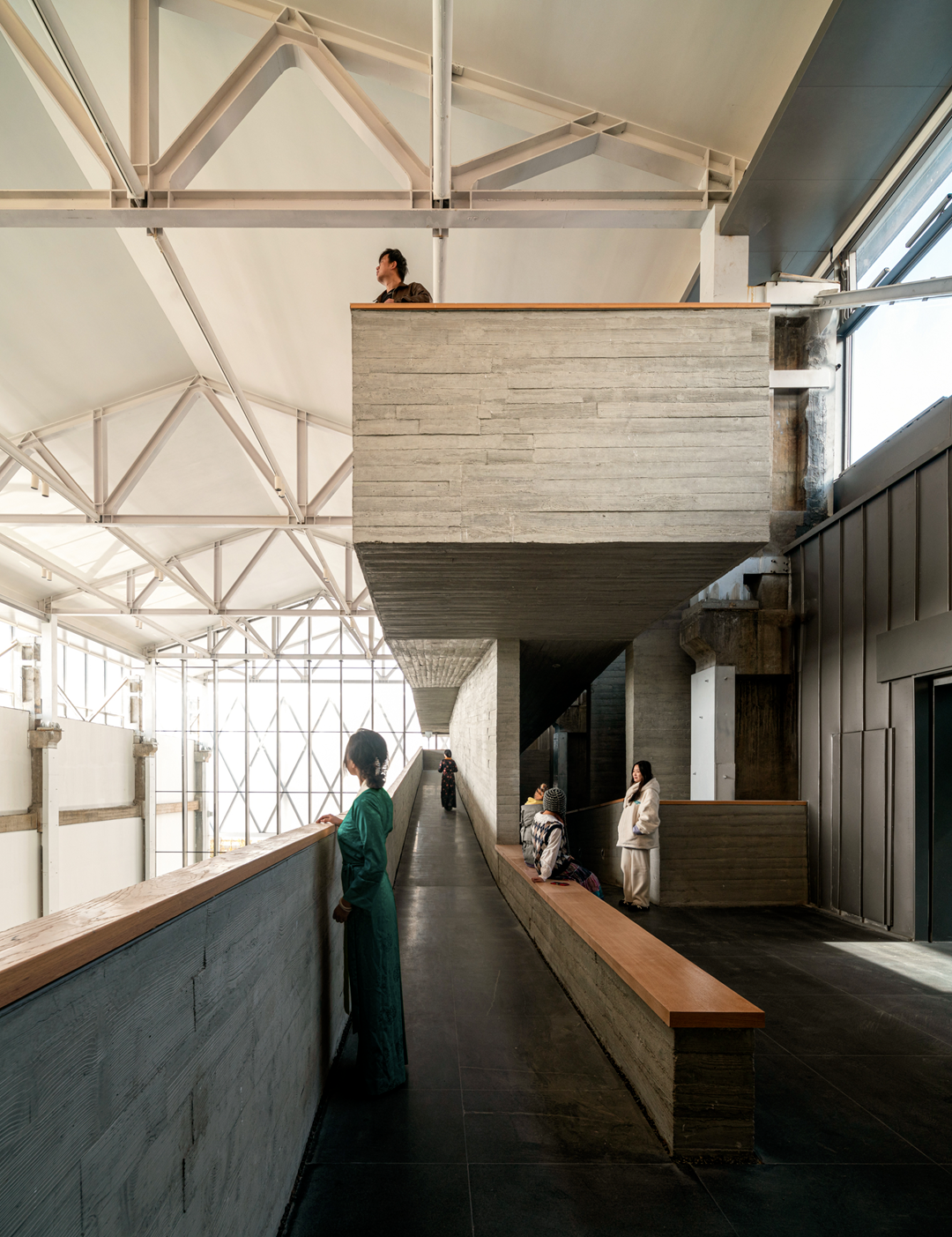
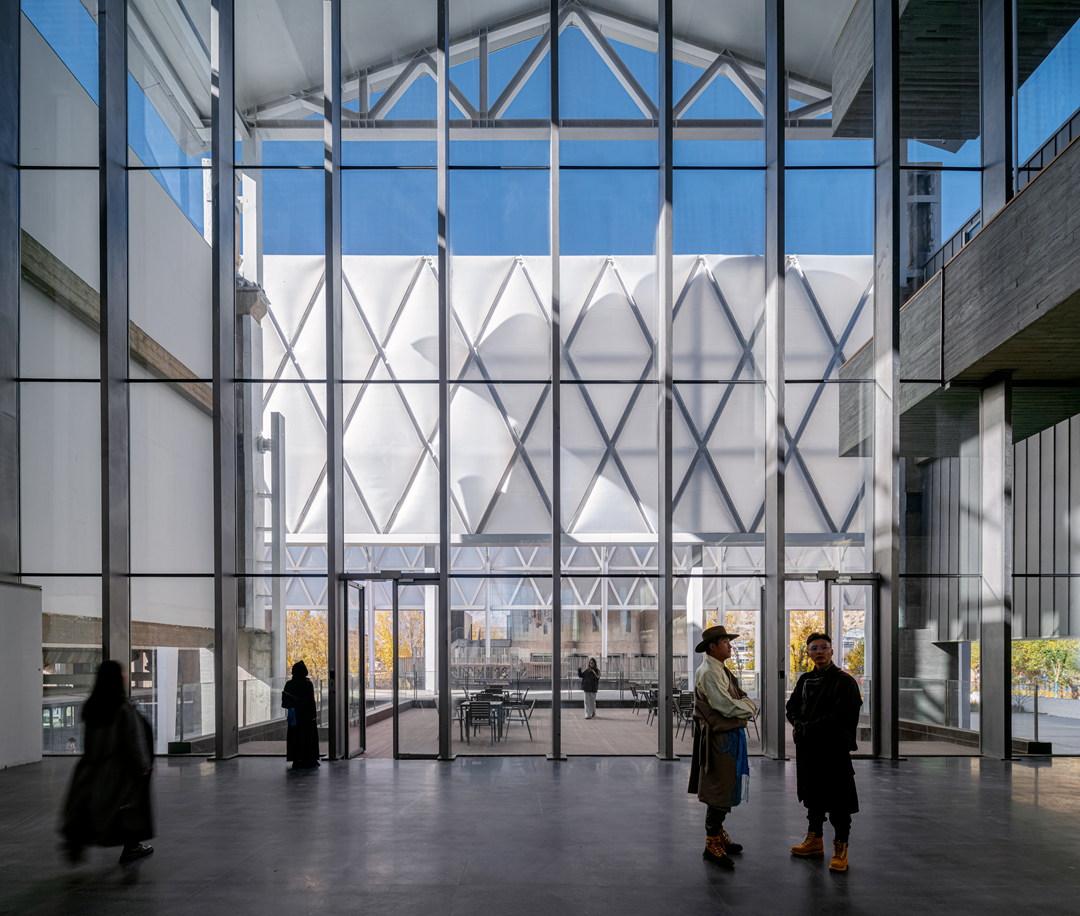
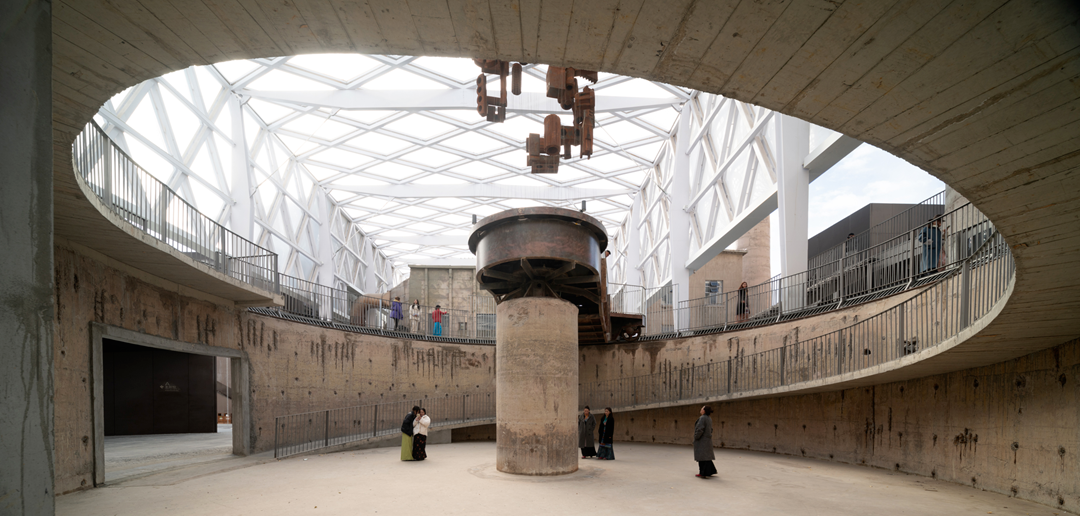
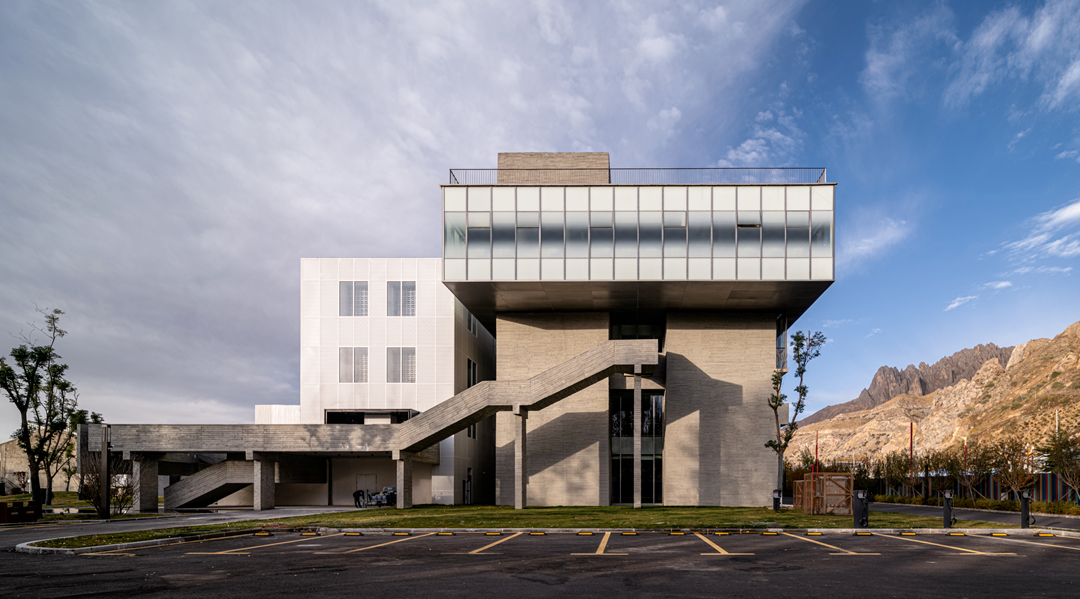
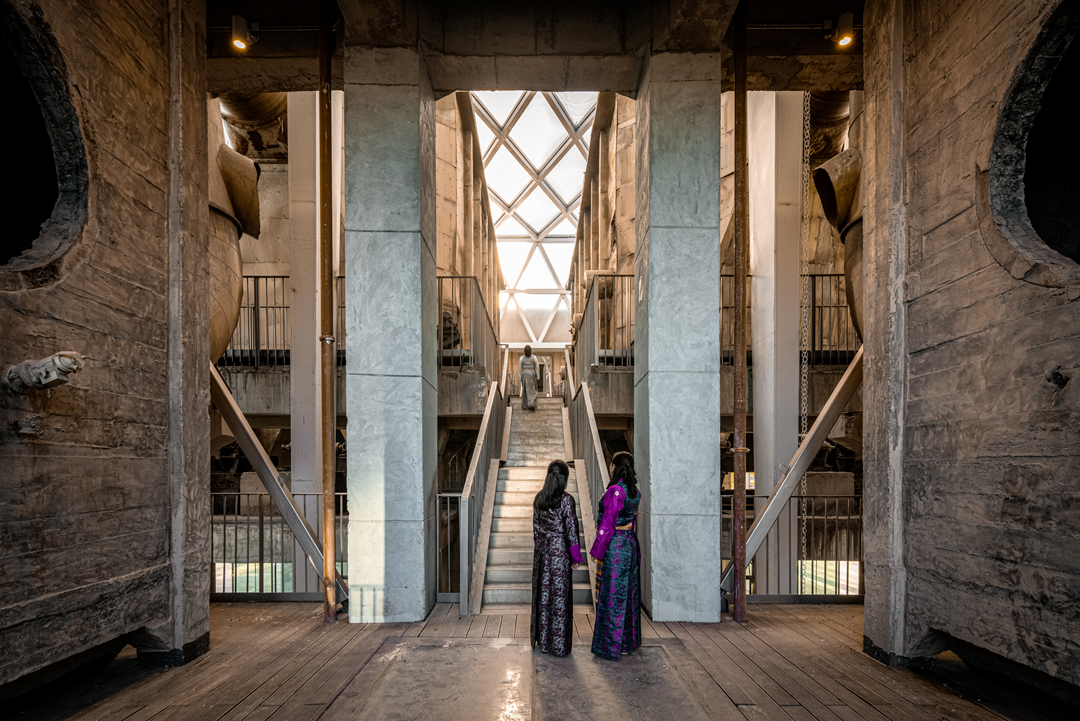
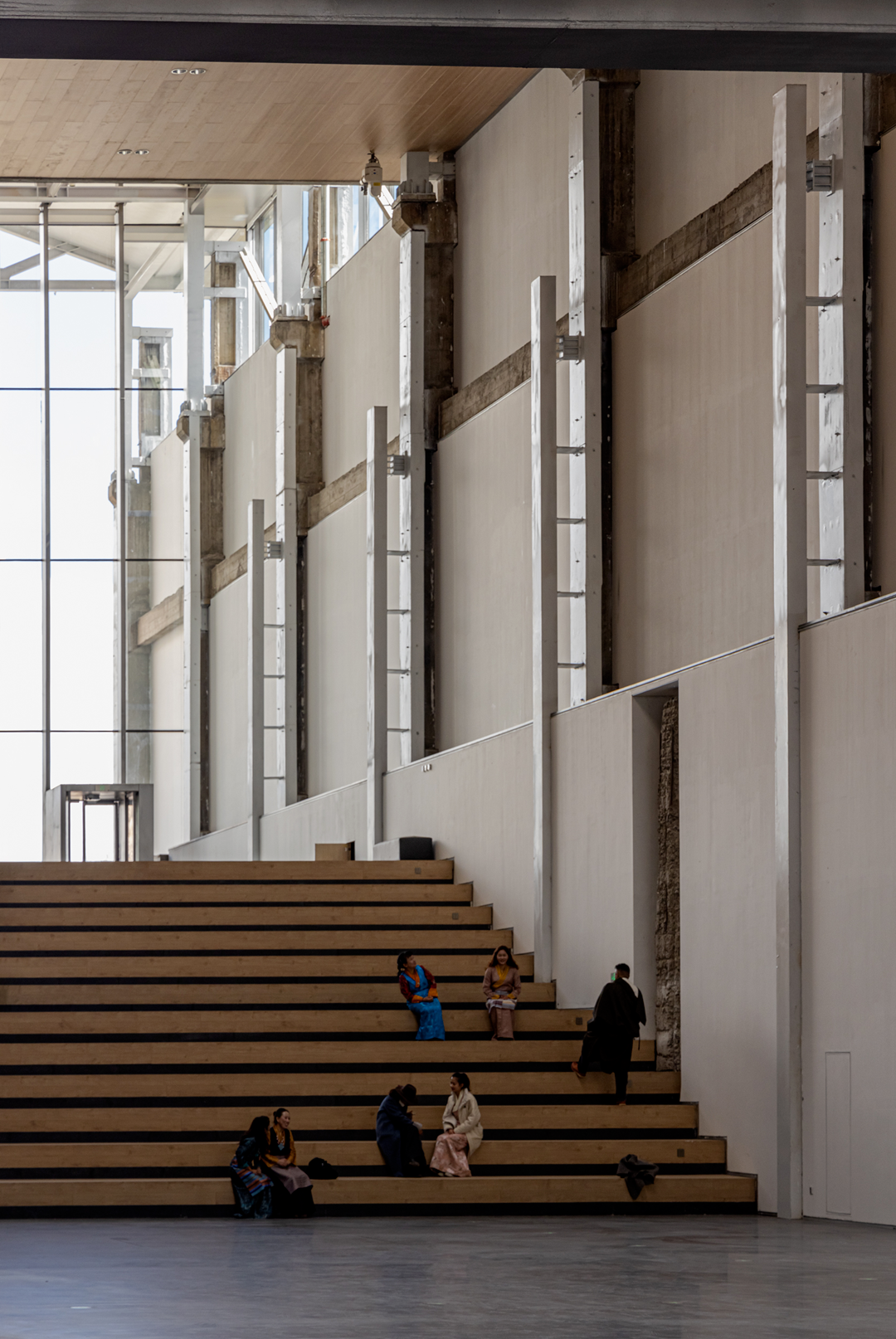
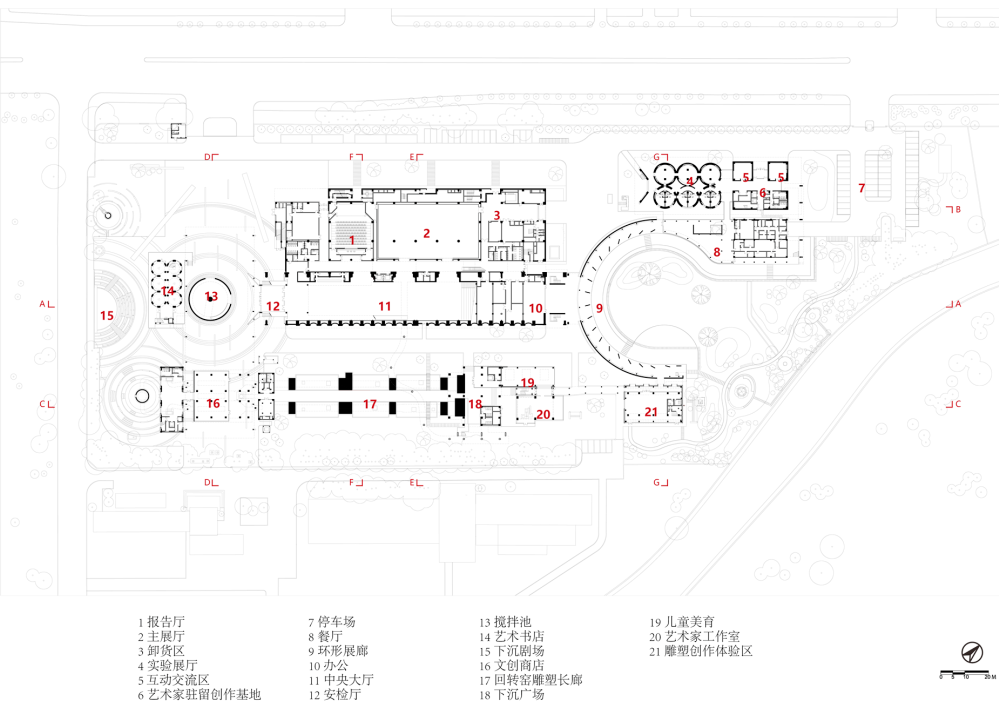
A区是美术馆主展馆,依托联合储库的主厂房并向北扩建三层展厅。长120米的主厂房作为美术馆的中央大厅,适合举行大型开幕式活动以及举办当代艺术展览。在中央大厅西侧、北侧集中设置安检、寄存、票务、问询、管理、急救、景观电梯等配套设施。在主厂房屋架结构下吊挂观景长厅,可供休憩、交流、互动。美术馆一层还设有报告厅和贵宾接待室等交流接待用房,并设有独立的出入口。
Zone A is the main exhibition hall of the art museum, which relies on the main factory building of the joint storage and expands three floors of exhibition halls to the north. The main factory building, which is 120 meters long, serves as the central hall of the art museum and is suitable for holding large-scale opening ceremonies and contemporary art exhibitions. Set up supporting facilities such as security checks, storage, ticketing, inquiries, management, first aid, and scenic elevators on the west and north sides of the central hall. Hanging a long viewing hall under the main factory building frame structure for rest, communication, and interaction. The first floor of the art museum also has communication and reception rooms such as a lecture hall and a VIP reception room, with independent entrances and exits.
© 苏圣亮、尹明
© 苏圣亮、尹明
© 苏圣亮、尹明
© 苏圣亮、尹明
© 苏圣亮、尹明
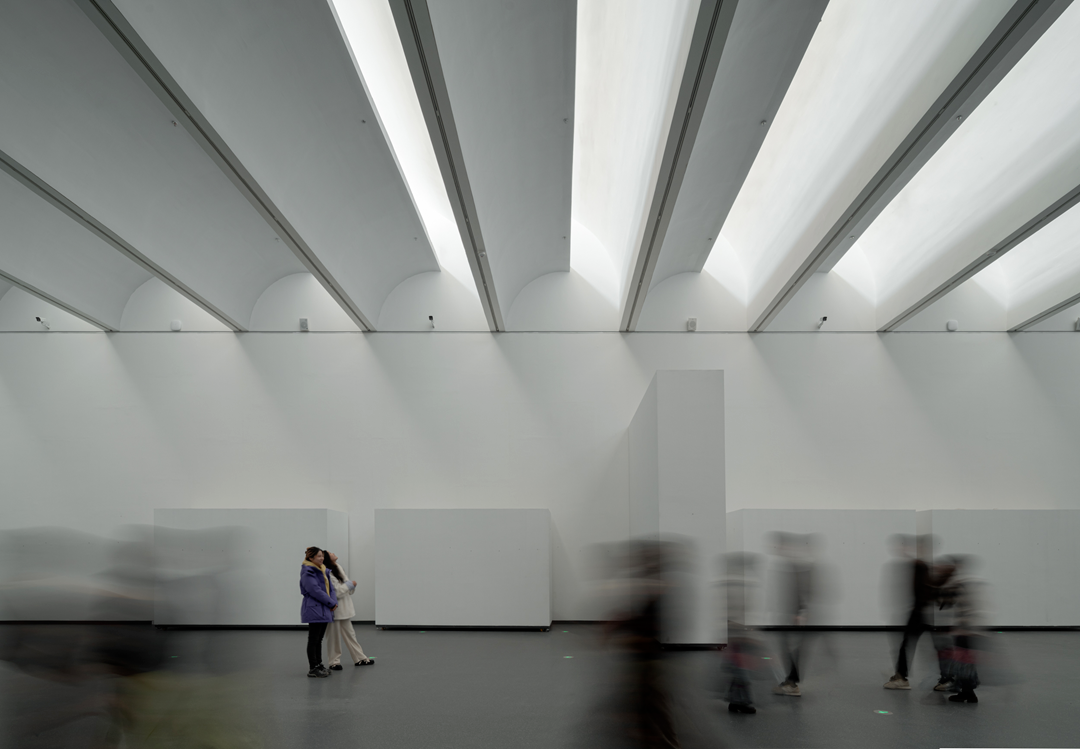
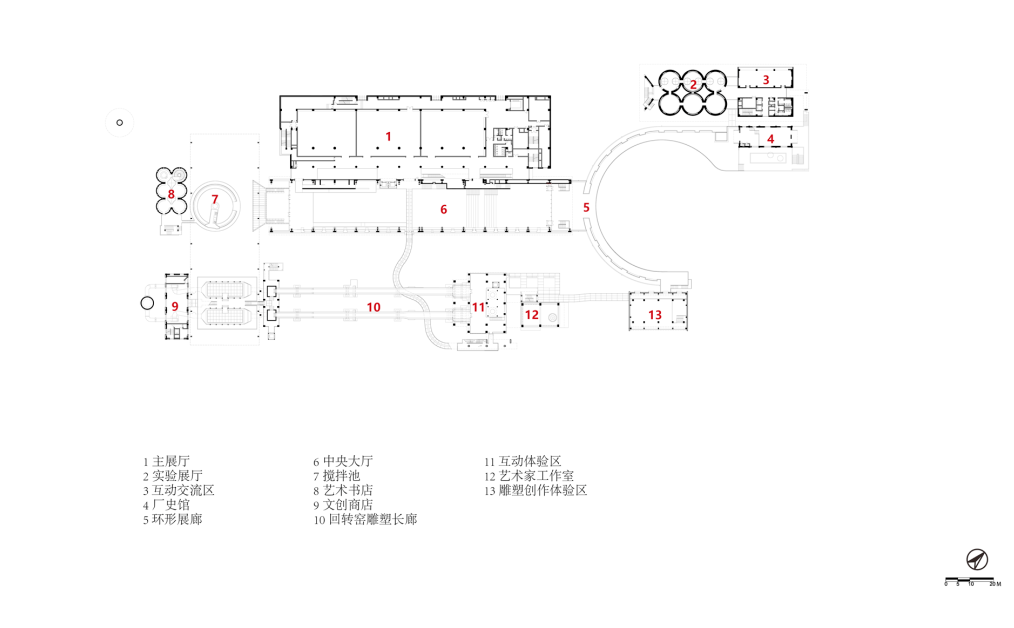
中央大厅北侧集中布置三层展厅,在每层展厅东侧设置周转库、备展区、货梯等辅助空间满足展品运输。在新建体量的地下一层设有典藏库,存放西藏地区各门类的艺术藏品。
Three levels of exhibition halls are centrally arranged on the north side of the central hall, and auxiliary spaces such as turnover warehouses, exhibition areas, and freight elevators are set up on the east side of each exhibition hall to meet the transportation needs of exhibits. A library is set up on the underground floor of the new building to store all kinds of art collections in Xizang.
© 苏圣亮、尹明
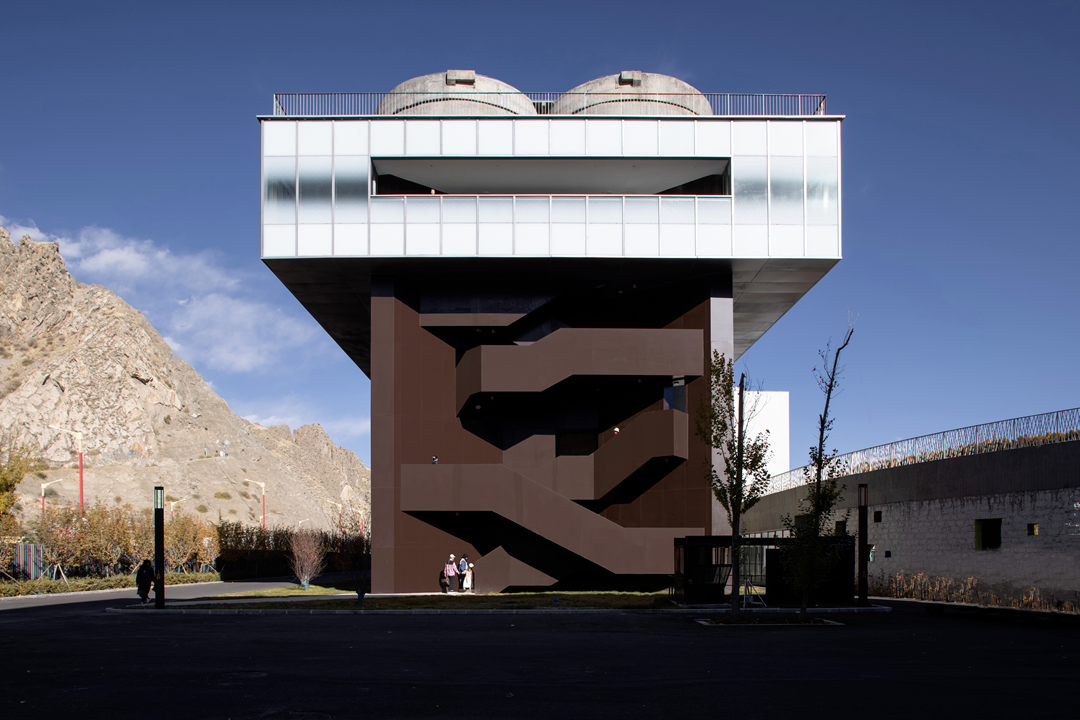
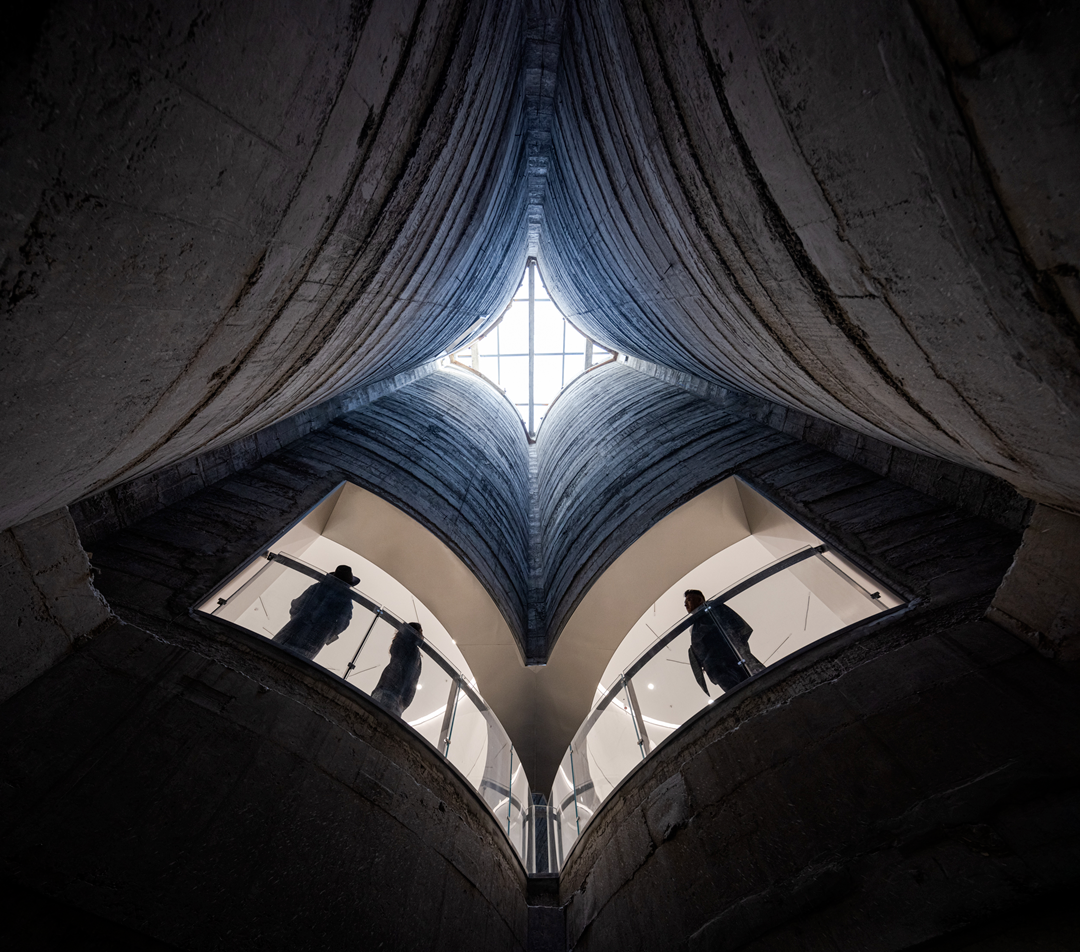
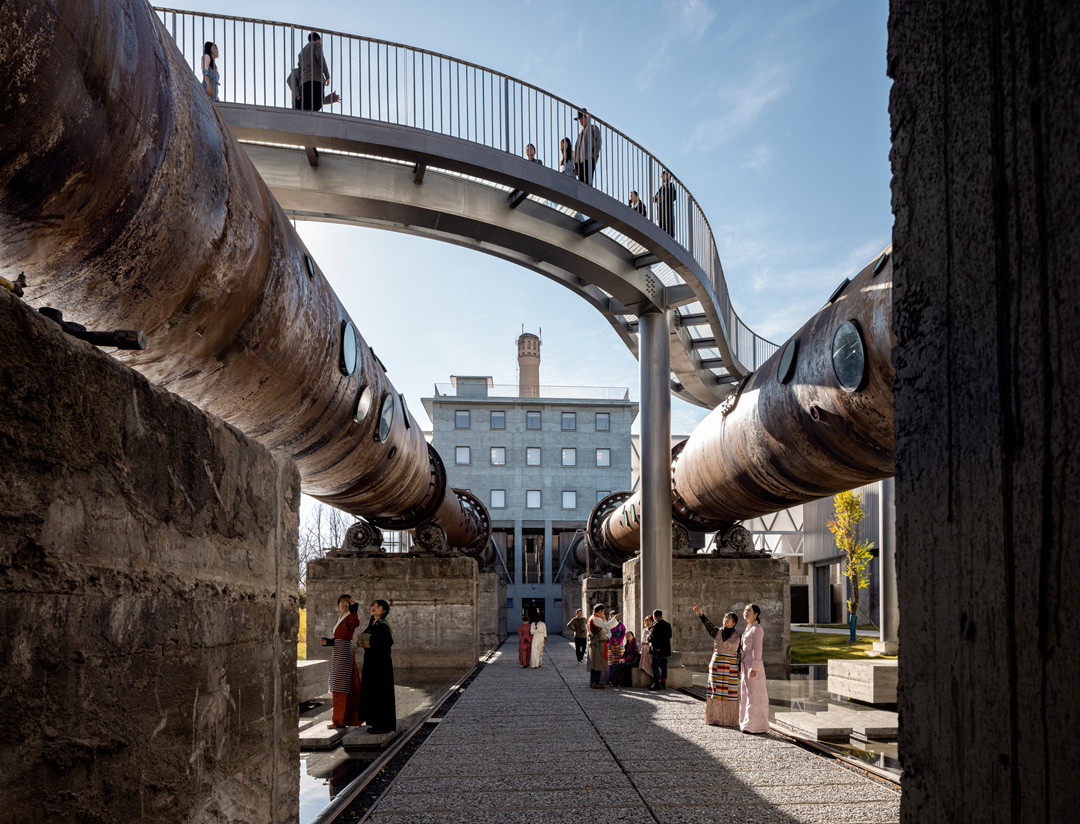
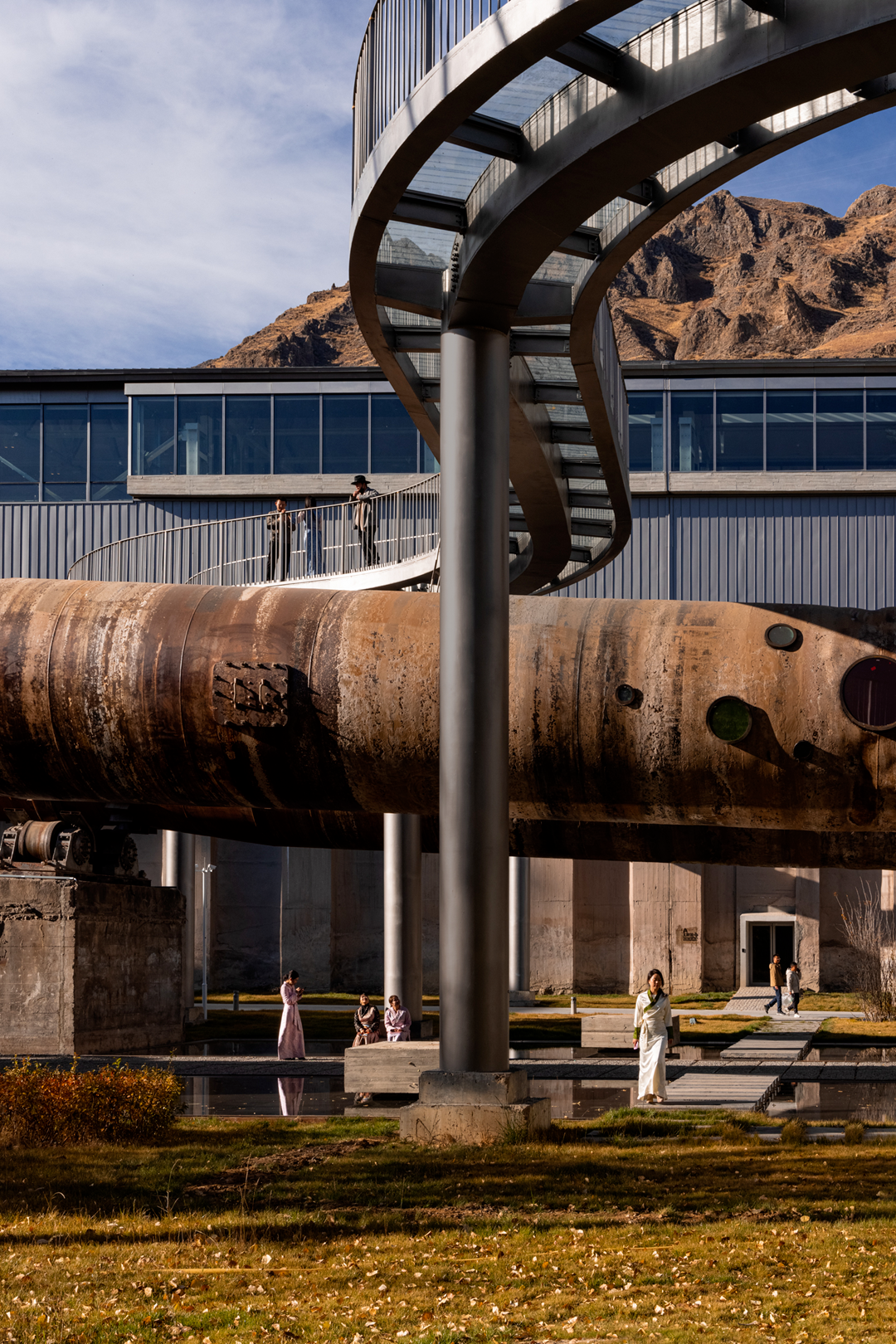
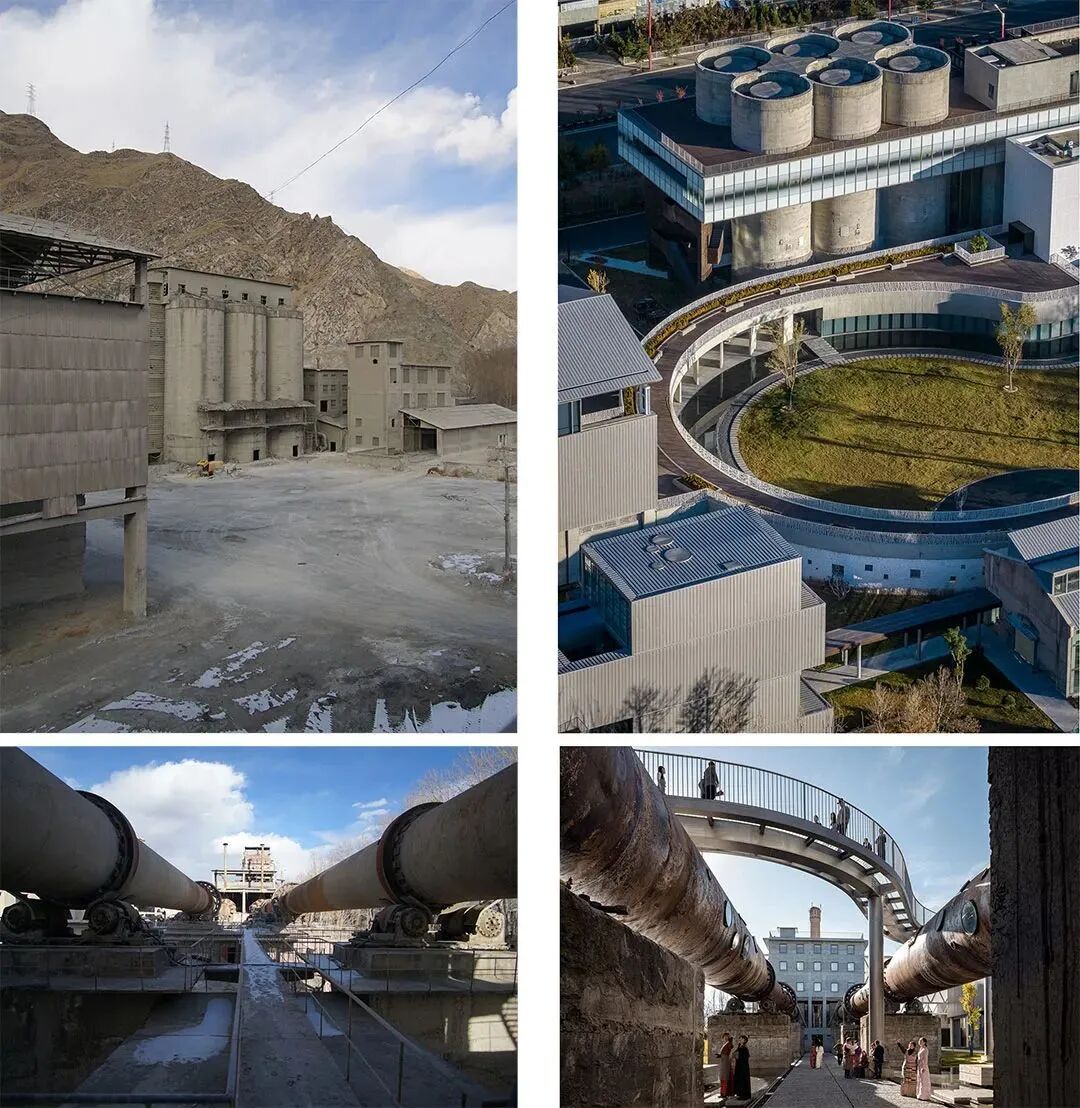
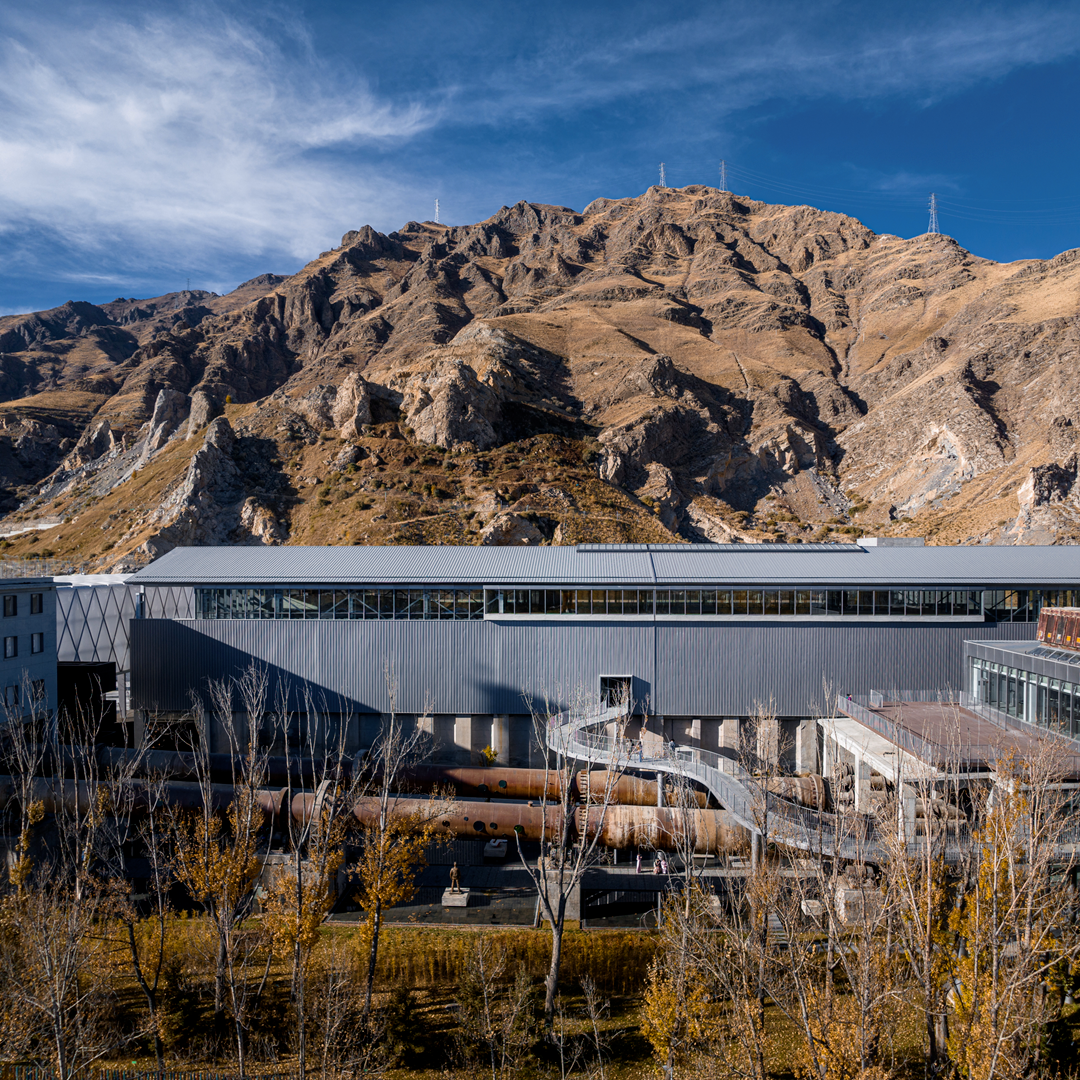
B区是艺术互动体验区,通过新建的空中连桥和主展馆相接。这里充分利用回转窑和保留厂房及设备,改建成为不同门类的艺术体验空间以及青少年美育教室。
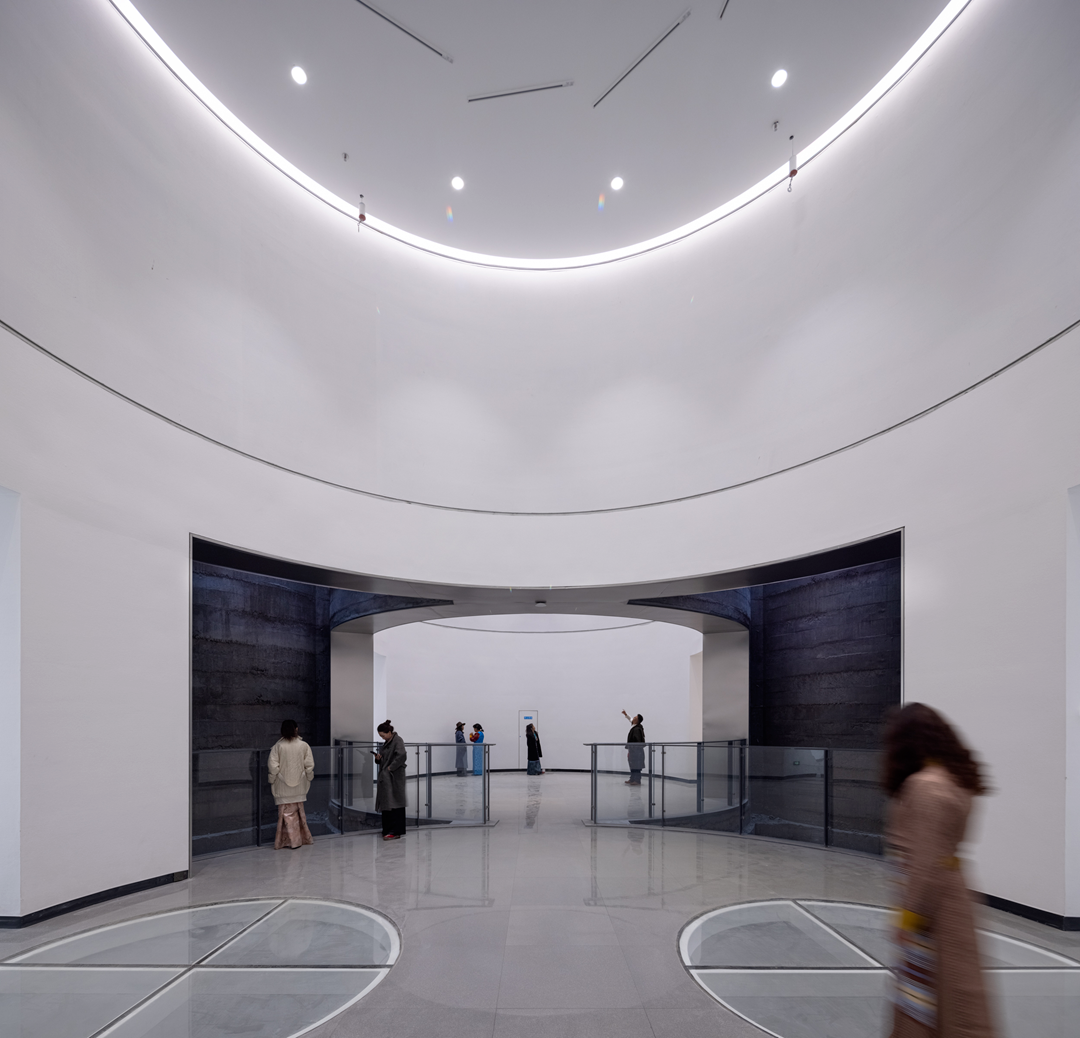
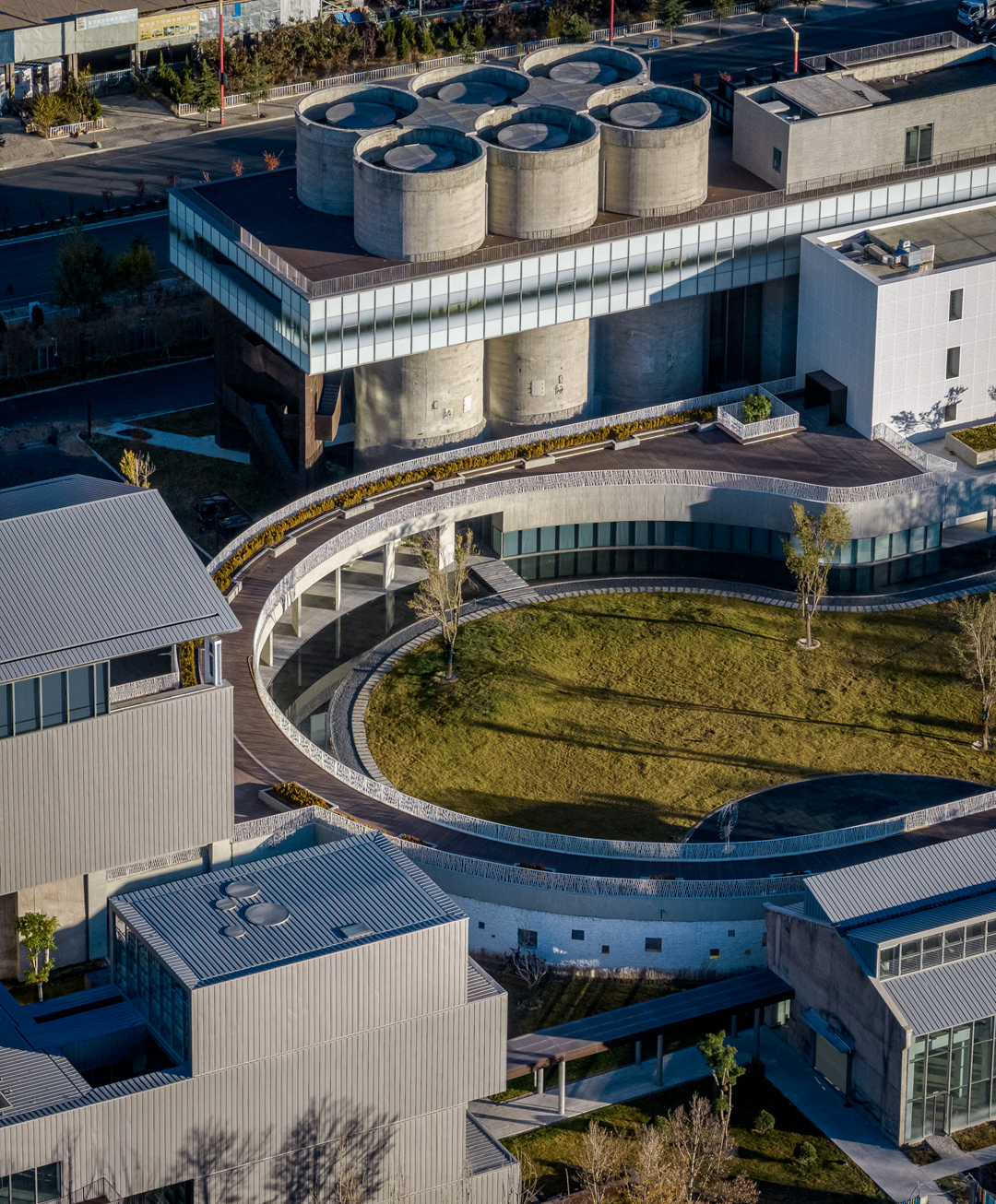
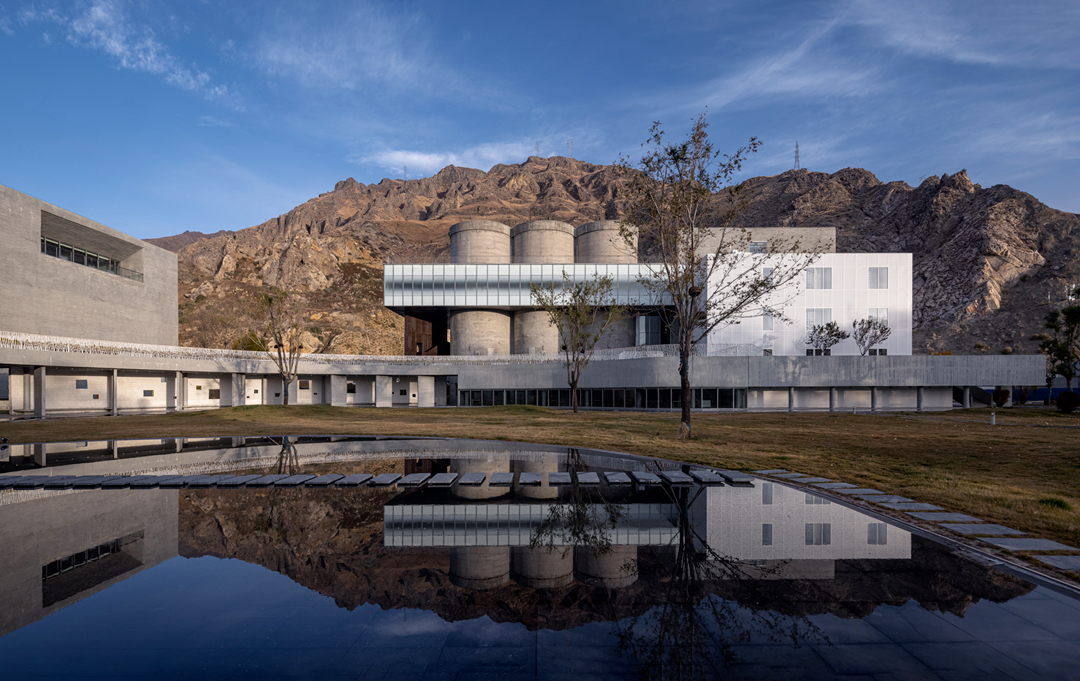
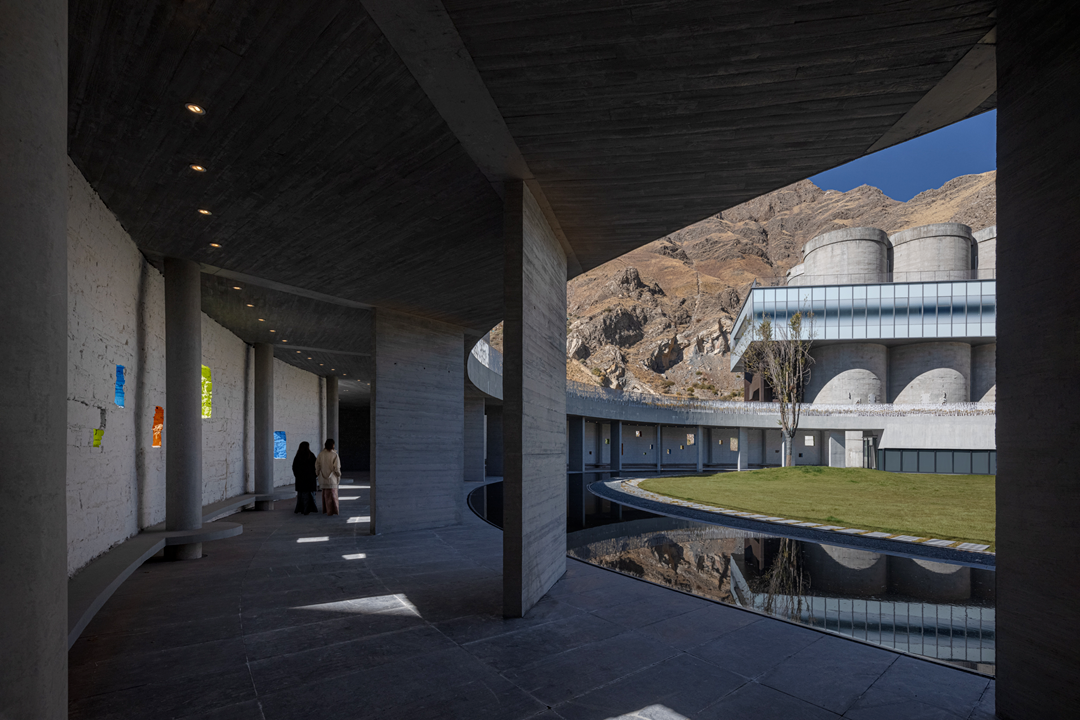
C区是艺术家驻留创作基地,以环形展廊串联筒仓和成品库,保留建筑改造为艺术家工作室以及餐厅、互动展览等交流场所,并配有厨房、办公等相关辅助用房,圆形庭院定义了一个将外部空间与内部融为一体的群落中心。
Zone B is an art interactive experience area, connected to the main exhibition hall through a newly built aerial bridge. Here, the rotary kiln and preserved factory buildings and equipment are fully utilized to transform into different types of art experience spaces and youth art education classrooms.
Zone C is an artist's residency creative base, connected by a circular exhibition hall linking silos and finished product warehouses. The preserved buildings are transformed into artist studios, restaurants, interactive exhibitions, and other communication venues, with related auxiliary rooms such as kitchens and offices. The circular courtyard defines a community center that integrates the external space with the interior.
© 苏圣亮、尹明
© 苏圣亮、尹明
© 苏圣亮、尹明
© 苏圣亮、尹明
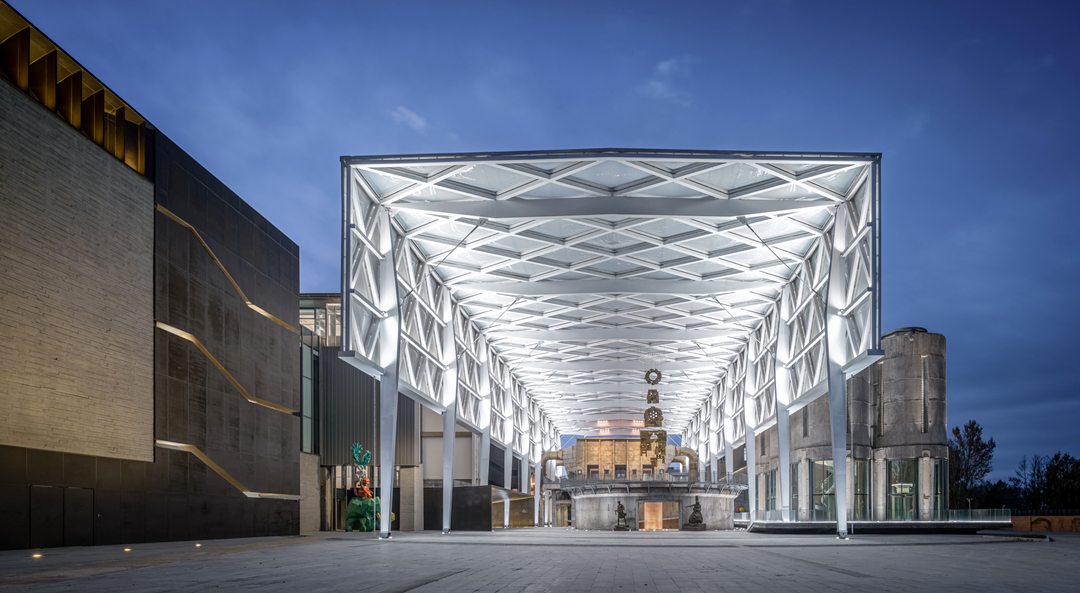
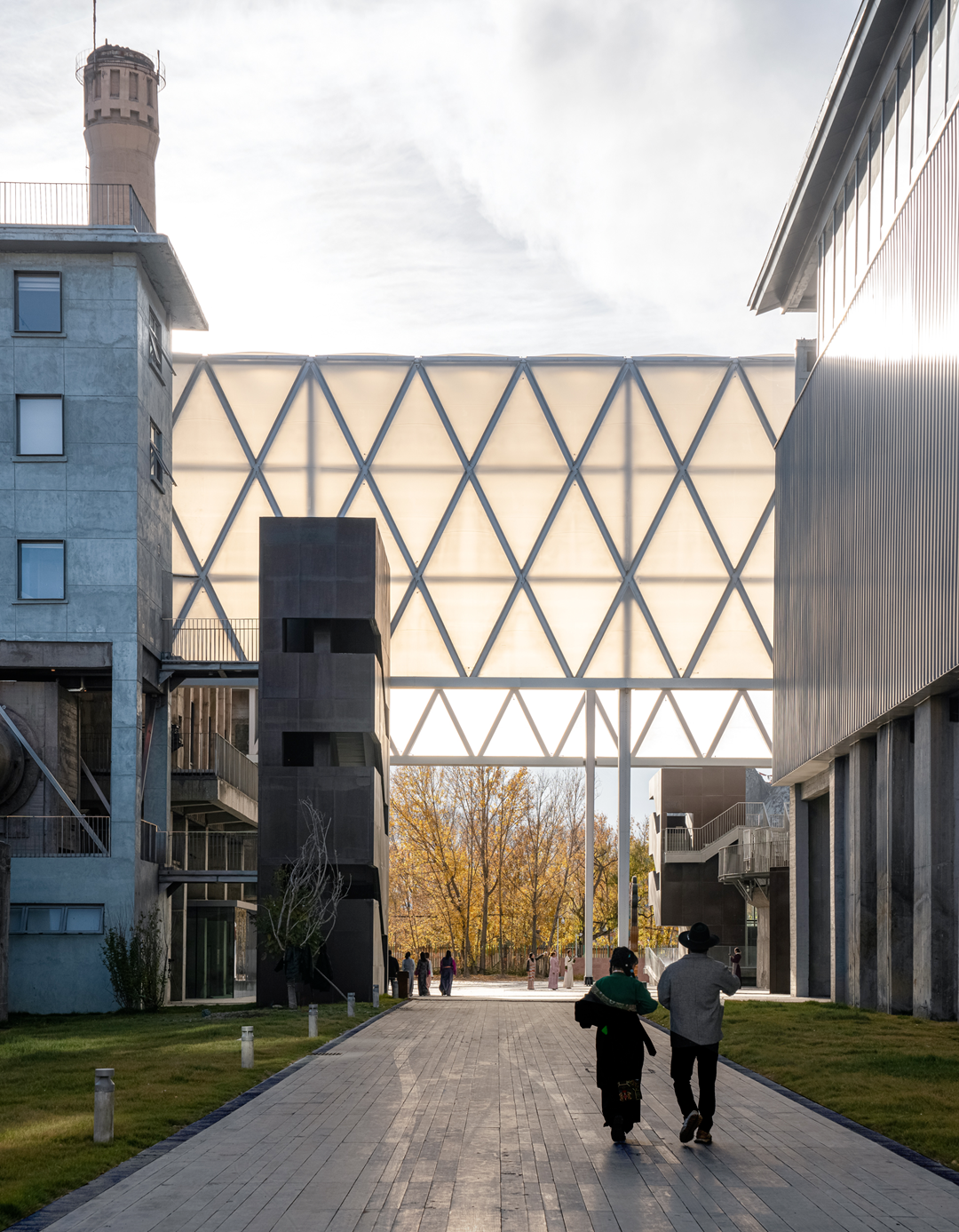
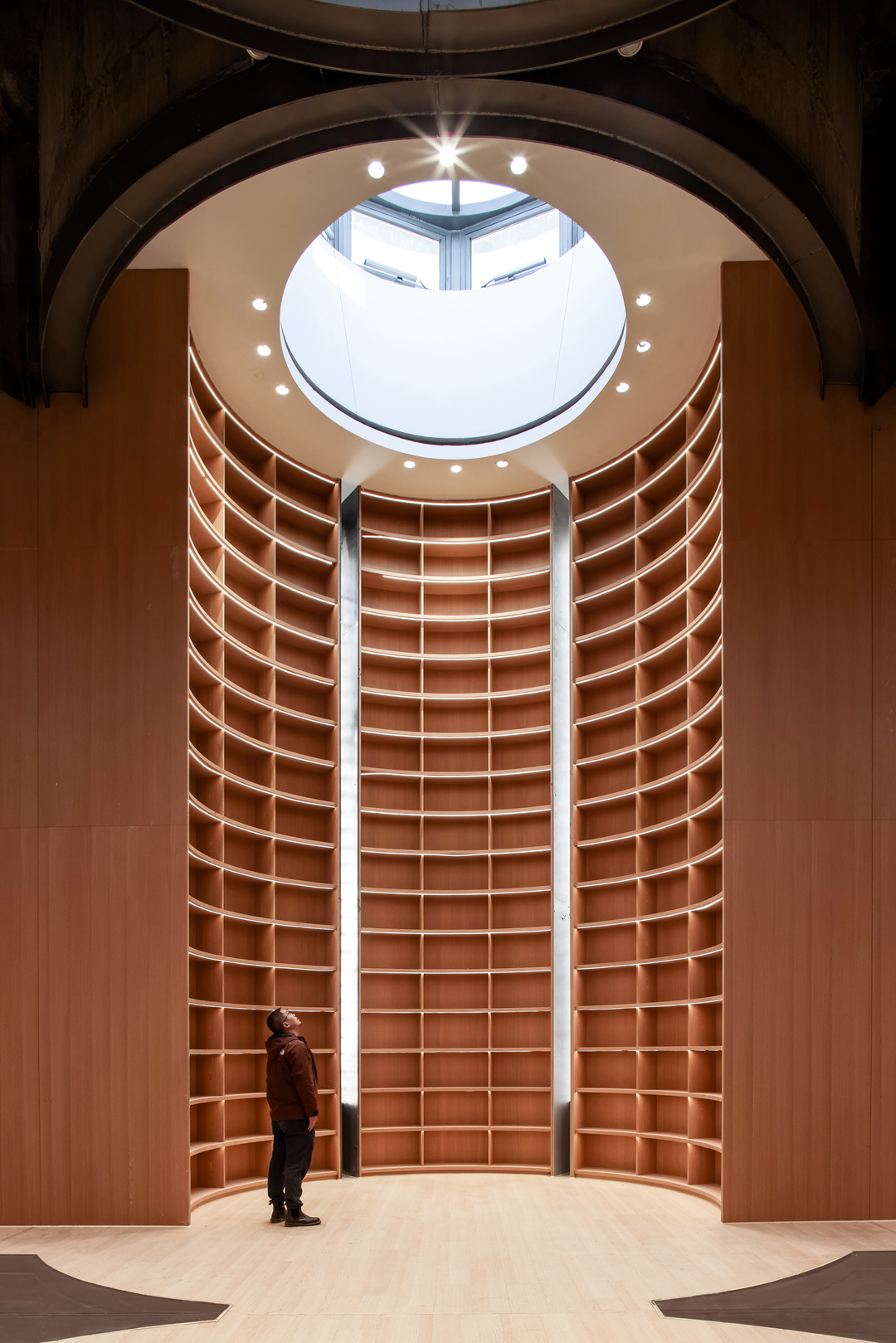
D区是艺术长廊,通过覆盖ETFE膜的大跨钢结构串联起A区主展馆入口、筒仓改造的艺术书店以及由烧成窑尾等三栋建筑单体改造的文创中心、商店和艺术小剧场等,艺术长廊事实上形成了一个可以向城市全时段开放的边缘空间。
Zone D is an art gallery that connects the entrance of Zone A's main exhibition hall, the art bookstore renovated from a silo, and the cultural and creative center, shops, and art small theater renovated from three individual buildings, including the kiln tail, through a large-span steel structure covered with ETFE film. In fact, the art gallery forms an edge space that can be opened to the city at all times.
© 苏圣亮、尹明
© 苏圣亮、尹明
© 苏圣亮、尹明
© 苏圣亮、尹明
© 苏圣亮、尹明
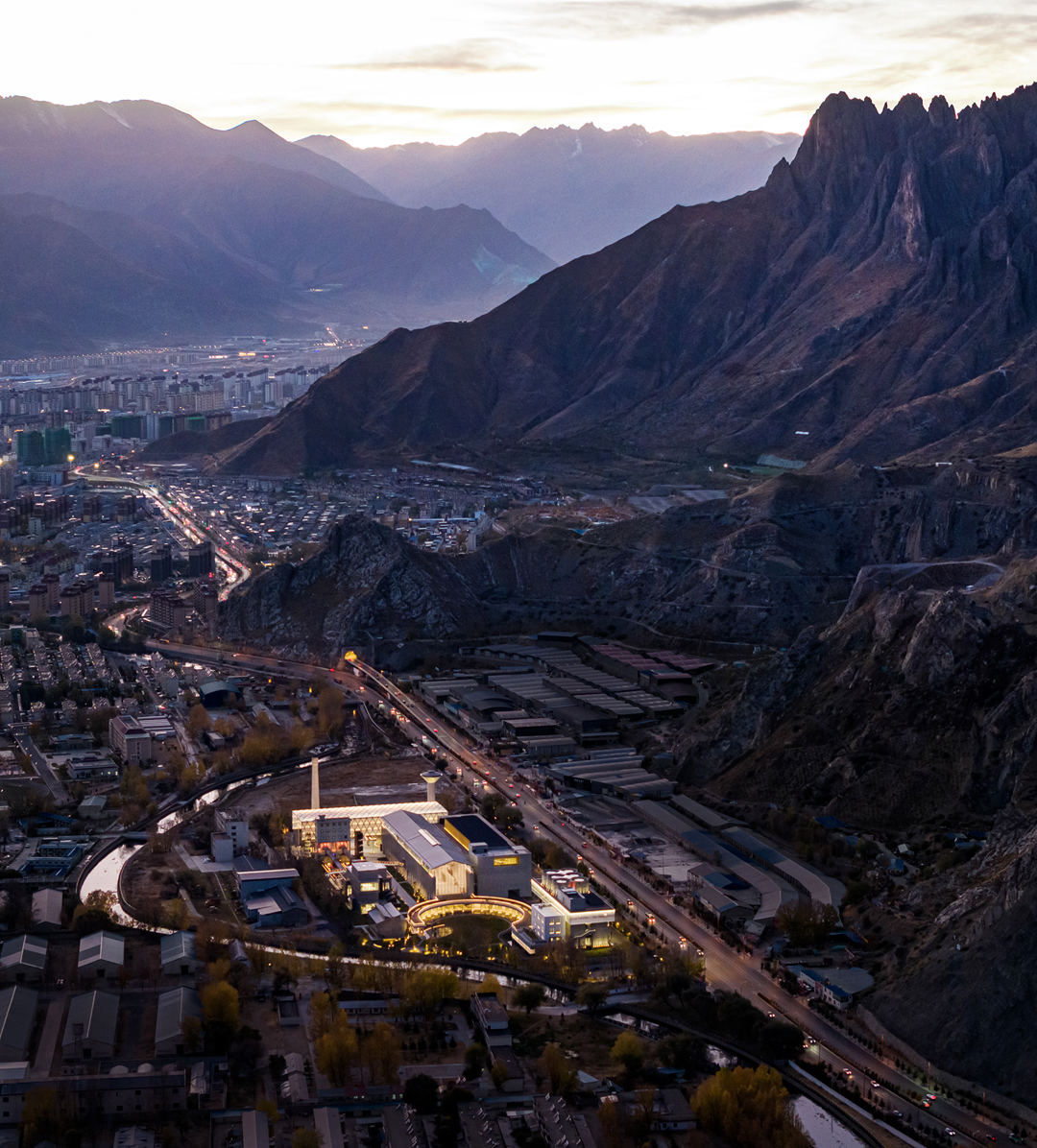
通过研究拉萨的城市空间发展,我们发现拉萨的城市核心高度集聚于城市东部布达拉宫周围的区域,而老水泥厂所在的拉萨西部街区尺度宏大,道路网的密度要稀疏很多。因此,从作为未来拉萨城市西部重要的公共空间考量,我们以“喜马拉雅的钥匙”为概念,策划了城市尺度上可供人穿越的一系列室外及半室外公共流线。
By studying the urban spatial development of Lhasa, we found that the urban core of Lhasa is highly concentrated in the area around the Potala Palace in the east of the city, while the western block of Lhasa where the old cement plant is located has a larger scale and a much sparser road network density. Therefore, considering it as an important public space in the western part of Lhasa city in the future, we have planned a series of outdoor and semi outdoor public flow lines that can be traversed by people at the urban scale based on the concept of "Key to the Himalayas".
© 苏圣亮、尹明
© 苏圣亮、尹明
从美术馆前广场过来的主要人流,通过艺术长廊的引导贯通南北,并通过主展馆的中央大厅以及回转窑管道所限定的室外雕塑展场通达东西。其中艺术长廊串联了A区和D区,极大地活跃了场地西侧边缘空间;而与A区主展馆东侧相连的环形展廊,则通过半室外的艺术展线有效整合了A、B、C等三个区域。
The main flow of people coming from the square in front of the art museum is guided by the art gallery to connect the north and south, and through the central hall of the main exhibition hall and the outdoor sculpture exhibition area limited by the rotary kiln pipeline to connect the east and west. The art gallery connects Zone A and Zone D, greatly activating the western edge space of the site; The circular exhibition hall connected to the east side of the main exhibition hall in Zone A effectively integrates three areas, A, B, and C, through a semi outdoor art exhibition line.
© 苏圣亮、尹明
© 苏圣亮、尹明
© 苏圣亮、尹明
© 苏圣亮、尹明
在内部空间组织方面,充分利用工业建筑的空间特征和潜力,留存工业记忆并形成融合西藏地域文化的独特空间体验。公共流线在便捷地聚散人群的同时整合空间,改变了大型美术馆空间的常规模式,通过设置符合西藏气候条件的、丰富灵动的室外空间,将美术馆和周边社区的日常生活紧密联接在一起。
在建造技术与材料选择上,由于青藏高原生态环境脆弱、氧气稀薄,施工较为困难,运输材料的成本较高,改造过程中尽量保留、利用原有结构构件。对于保留建筑,遵循可识别性的原则,通过结构复合加固、外立面整饬的办法,尽可能保留主体结构本来的面貌。
In terms of internal spatial organization, the spatial characteristics and potential of industrial buildings are fully utilized to retain industrial memory and form a unique spatial experience integrating Xizang's regional culture. The public streamline integrates the space while conveniently gathering and dispersing people, changing the conventional mode of large art museum space. By setting up rich and flexible outdoor space that meets the climate conditions of Xizang, the art museum is closely connected with the daily life of surrounding communities.
In terms of construction technology and material selection, due to the fragile ecological environment and scarce oxygen on the Qinghai Tibet Plateau, construction is relatively difficult, and the cost of transporting materials is high. Therefore, during the renovation process, efforts should be made to preserve and utilize the original structural components. For preserving buildings, the principle of recognizability should be followed, and the original appearance of the main structure should be preserved as much as possible through structural composite reinforcement and facade rectification.
© 苏圣亮、尹明
© 苏圣亮、尹明
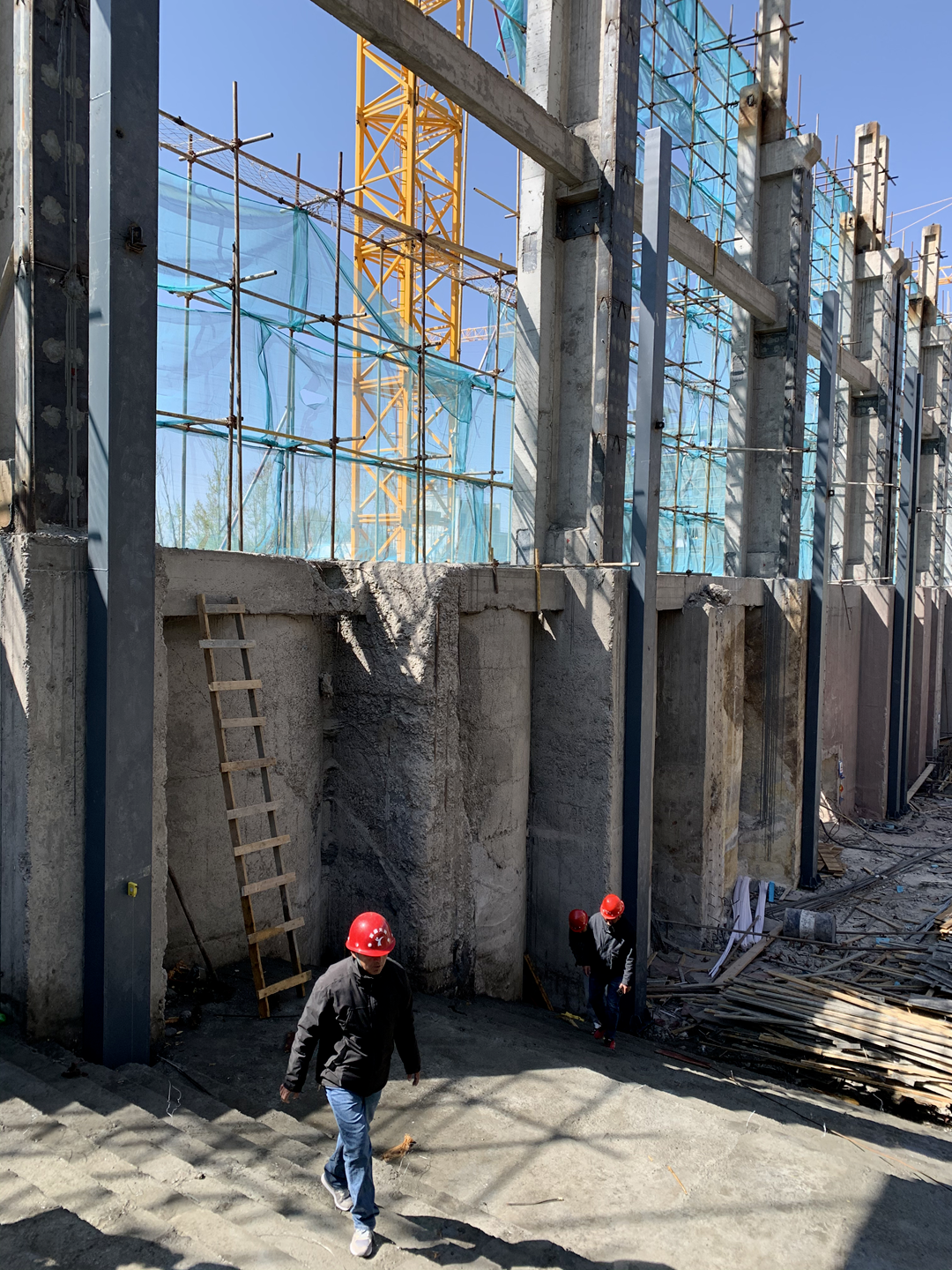
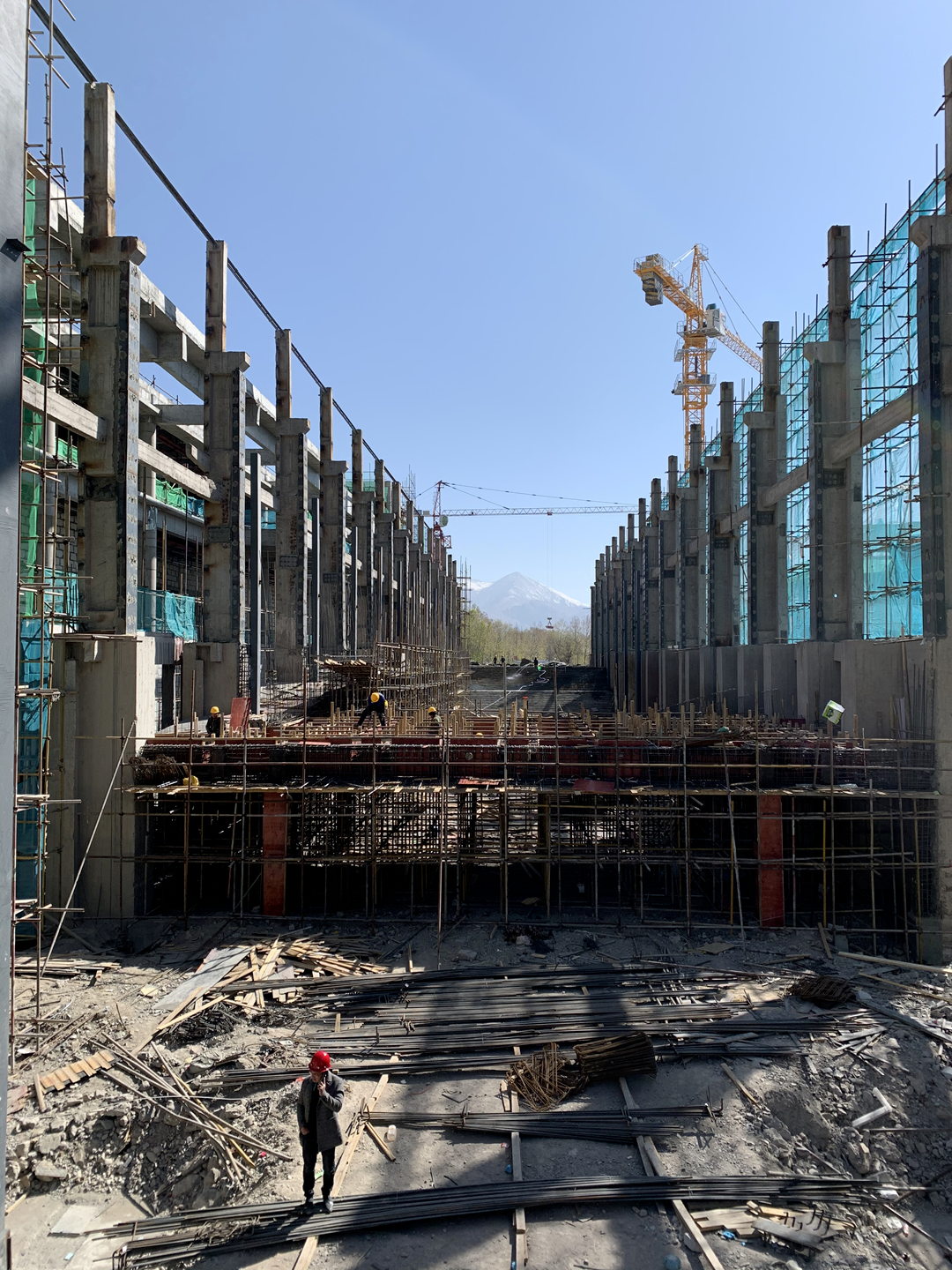
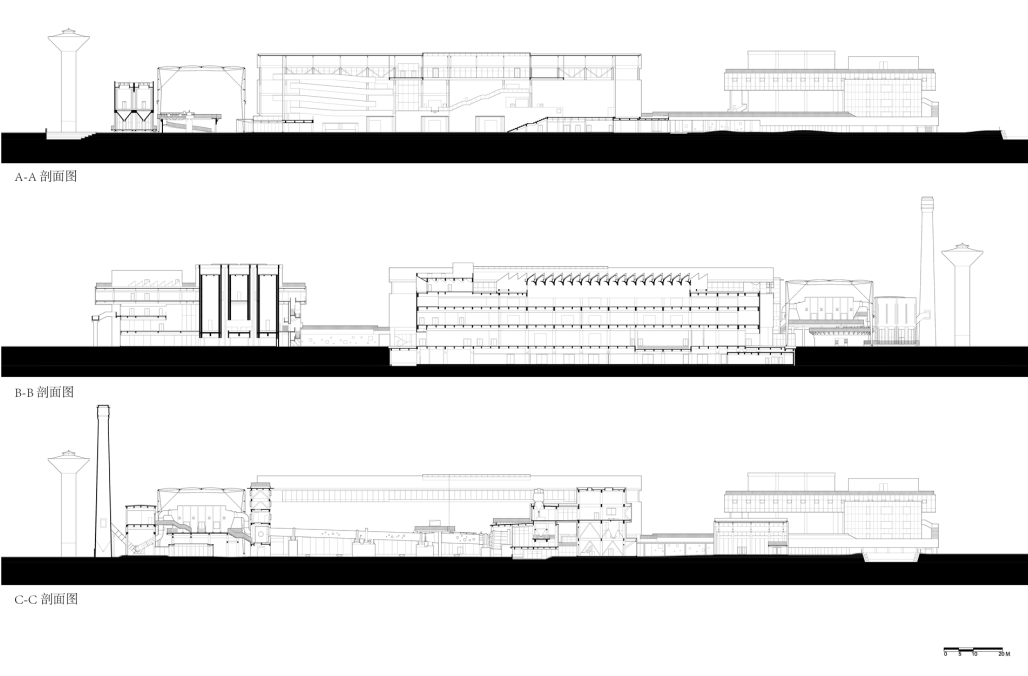
A区主厂房原来的排架结构混凝土柱由于承载及抗震能力不足需要加固,原工字截面的柱体采用复合外包加固的方式:后翼缘为混凝土外包,前翼缘为槽型钢外包,同时在第二节柱外侧新立钢柱,并通过软钢阻尼器与前翼缘外包钢连接形成阻尼格构柱来提高结构的耗能能力,以此方式使加固后的结构具有新老辨识度,提高抗震性能并直接呈现,这种方法巧妙地利用了原有的厂房结构,大大降低了改造成本。
The original concrete columns of the main factory building in Zone A need to be reinforced due to insufficient load-bearing and seismic capacity. The columns of the original I-section are reinforced with composite cladding: the rear flange is wrapped in concrete, and the front flange is wrapped in groove steel. At the same time, a new steel column is erected on the outer side of the second section column, and a damping lattice column is formed by connecting the soft steel damper with the outer cladding of the front flange to improve the energy dissipation capacity of the structure. This method cleverly utilizes the original factory building structure, greatly reducing the cost of renovation.
© 苏圣亮、尹明
© 苏圣亮、尹明
© 苏圣亮、尹明
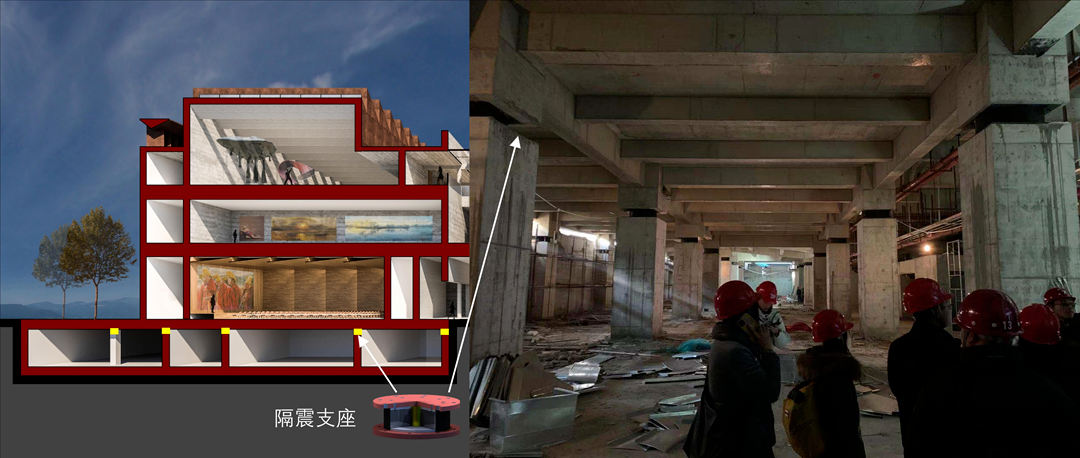
其他与水泥生产密切相关的回转窑、窑尾、窑头等多栋厂房单体均遵从类似的原则,即外观特征保持不变,通过功能和结构的重新定义使其适应现代美术馆的性能,以最小干预的原则实现工业遗产的再生利用。此外,拉萨处于喜马拉雅山脉地震带,属于强震地区,地面设计地震加速度达到0.2g。为防止展馆内珍贵藏品在地震下变形破损,新建主展馆在地下室柱顶设置隔震层。隔震后地震下振动加速度降低50%以上,有效保护了藏品在地震下的安全性。
Other individual buildings closely related to cement production, such as rotary kilns, kiln tails, and kiln heads, follow similar principles, that is, the appearance characteristics remain unchanged, and their functions and structures are redefined to adapt to the performance of modern art museums, achieving the recycling of industrial heritage with the principle of minimal intervention. In addition, Lhasa is located in the the Himalayas seismic zone, a strong earthquake area, and the ground design seismic acceleration reaches 0.2g. To prevent the deformation and damage of precious collections in the exhibition hall during earthquakes, a seismic isolation layer is installed at the top of the basement columns in the newly constructed main exhibition hall. After isolation, the vibration acceleration during earthquakes is reduced by more than 50%, effectively protecting the safety of the collection during earthquakes.
© 苏圣亮、尹明
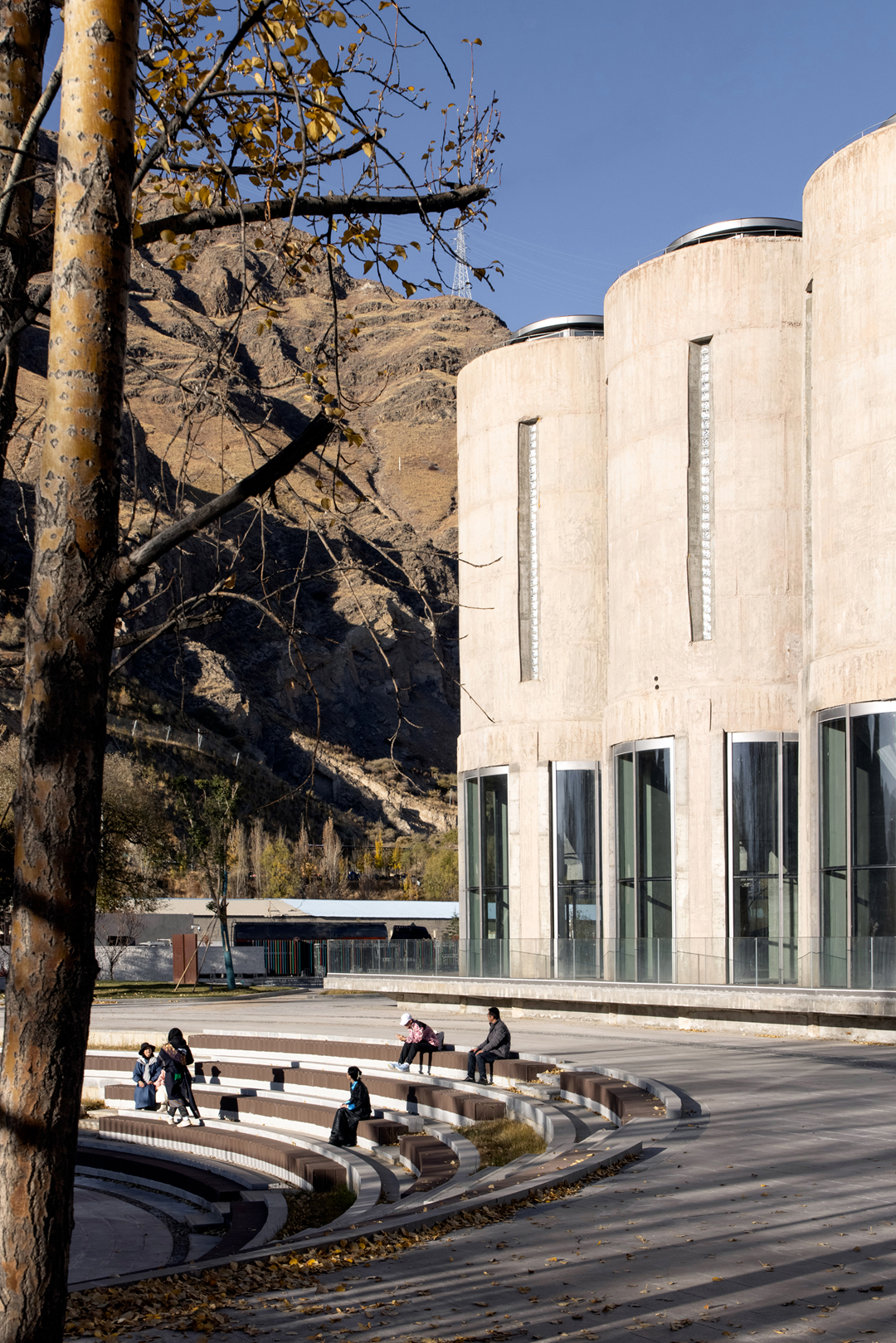
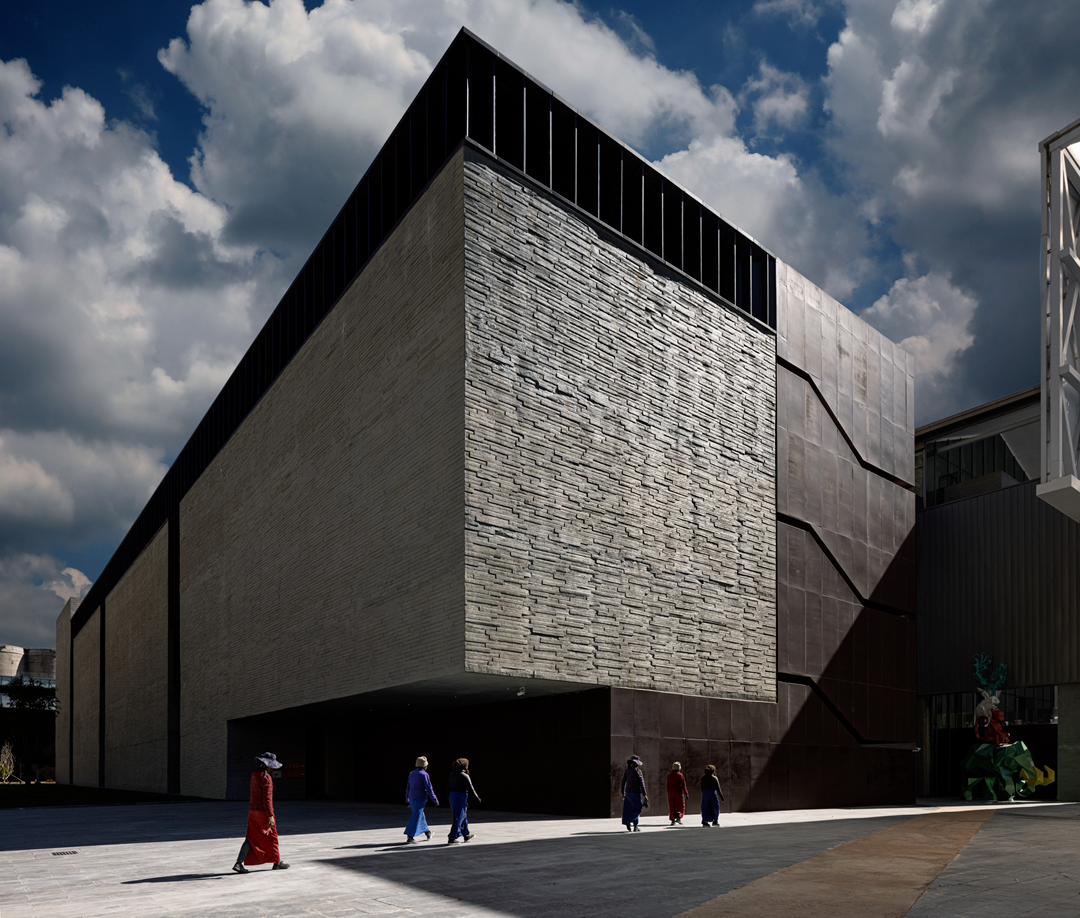
对于新建部分较为集中的A区,采用木模板清水混凝土和耐候钢板相结合打造“现代藏式新风格”。在屋面及立面多采用耐候钢,除了在色彩上贴近传统藏式建筑常用的赭石色之外,也增加了建筑整体的当代感。木模板清水混凝土的使用透露着粗犷淳朴的材料肌理,与西藏传统建筑“边玛墙”的材料质感相呼应,也与拉萨水泥厂曾经的生产职能相暗合,体现出一种工业基因的延续。同时,部分建筑室内地面采用了藏式传统材料“阿嘎土”,强调就地取材,呈现藏式传统建构的延续性。
For Zone A, where new construction is concentrated, a combination of wooden formwork, plain concrete, and weather resistant steel plates will be used to create a "modern Tibetan style new style". Weathering steel is commonly used on roofs and facades, which not only closely resembles the traditional Tibetan architectural color of ochre, but also enhances the overall contemporary feel of the building. The use of wood formwork fair faced concrete reveals the rough and simple material texture, which echoes the material texture of Xizang's traditional building "side horse wall", and also coincides with the production function of Lhasa Cement Plant, reflecting the continuation of an industrial gene. At the same time, some buildings use the traditional Tibetan material "Agatu" for indoor floors, emphasizing the use of local materials and presenting the continuity of Tibetan traditional construction.
© 苏圣亮、尹明
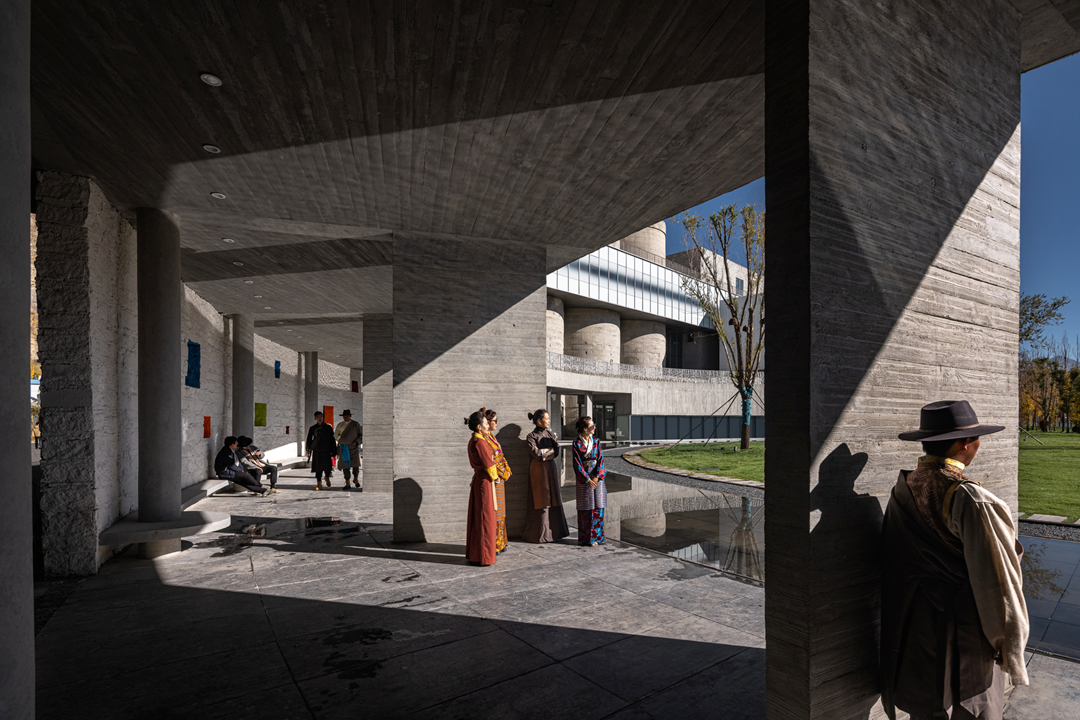
B区的两根回转窑通过开凿不同大小的圆形洞口打造色彩斑斓的体验空间。C区的环形室外展廊采用藏地特有的垒石砌筑工艺,通过斜向渐变的结构秩序和鲜艳的洞口施色赋予空间深度的光影变幻。D区艺术长廊的顶棚材料采用ETFE柔性充气薄膜,超轻质材料可以有效地减少结构荷载与建造成本。ETFE薄膜的物理性能相对稳定,适宜拉萨昼夜温差大的气候条件。同时,ETFE薄膜也可以屏蔽阳光直接进入建筑物,避免西藏高原强烈的日照对人体的伤害,使人在室外获得更为舒适的空间体验。
The two rotary kilns in Zone B create a colorful experience space by excavating circular openings of different sizes. The circular outdoor exhibition hall in Zone C adopts the unique stone masonry technology of Tibet, which endows the space with depth and light changes through the oblique gradient structural order and bright colored openings. The ceiling material of the D district art gallery adopts ETFE flexible inflatable film, which is an ultra lightweight material that can effectively reduce structural loads and construction costs. The physical properties of ETFE film are relatively stable and suitable for the climate conditions with large temperature differences between day and night in Lhasa. At the same time, ETFE film can also shield sunlight from entering buildings directly, avoiding the harm of strong sunshine on Xizang Plateau to human body, so that people can get more comfortable space experience outdoors.
© 苏圣亮、尹明
© 苏圣亮、尹明
木模板清水混凝土、耐候钢板、阿嘎土、垒石墙、ETFE薄膜等材料的选择和使用,不是简单地对于藏式传统风格的模仿,更多地是从可持续的角度去探究传统及常规材料的当代转译,以求材料表达和空间营造浑然一体,由此形成新旧分明、风格和谐、深具在地特征的现代建筑组群。拉萨的公共建筑创作无法回避藏地文化特色的传承表达,但西藏美术馆的建筑设计跳脱出对历史风格的符号化复制,通过体量、空间、材料和尺度的重新组合与拉萨独有的集体文化记忆寻找共鸣。
西藏美术馆坐落于海拔 3,700 米处,它是世界上为数不多的极高海拔地区的大型美术馆。在建造过程中,同济大学设计团队克服了重重困难,在跨越疫情的建设周期内,倾力投入这项艰巨的工程,妥善处理工业遗产改造利用的复杂性和矛盾性,尊重西藏在地文化并有效保护了当地的环境生态。
The selection and use of materials such as wood formwork, plain concrete, weather resistant steel plates, arga soil, masonry walls, ETFE films, etc. is not simply an imitation of traditional Tibetan style, but more about exploring the contemporary translation of traditional and conventional materials from a sustainable perspective, in order to achieve a seamless integration of material expression and space creation, thus forming a modern architectural group with distinct old and new styles, harmonious styles, and deep local characteristics. The creation of public buildings in Lhasa cannot avoid the inheritance and expression of Tibetan cultural characteristics, but the architectural design of the Xizang Art Museum breaks away from the symbolic reproduction of historical style, and seeks resonance with Lhasa's unique collective cultural memory through the re combination of volume, space, materials and scale.
Located at an altitude of 3700 meters, the Xizang Art Museum is one of the few large art museums in the world at extremely high altitude. In the process of construction, the design team of Tongji University overcame many difficulties, devoted themselves to this arduous project in the construction cycle spanning the epidemic, properly handled the complexity and contradiction of the transformation and utilization of industrial heritage, respected the local culture of Xizang and effectively protected the local environment and ecology.
© 苏圣亮、尹明
西藏美术馆的建筑和结构设计不仅满足了现代美术馆复杂的功能要求,而且将建筑艺术与传统藏地文化相结合,为未来的工业遗产改造利用提供了全新的范例。作为凝聚和呈现喜马拉雅艺术的重要建筑载体,西藏美术馆开放至今已举办多场大型艺术展览、艺术教育和学术交流活动,成为西藏面向世界展示优秀文化艺术的重要公共设施,同时也成为城市重要的公共活动场所,深度融入到拉萨以及周边社区居民的日常生活之中。
The architectural and structural design of Xizang Art Museum not only meets the complex functional requirements of modern art museums, but also combines architectural art with traditional Tibetan culture, providing a new example for the transformation and utilization of industrial heritage in the future. As an important architectural carrier to condense and present Himalayan art, the Xizang Art Museum has held many large-scale art exhibitions, art education and academic exchange activities since its opening. It has become an important public facility for Xizang to show outstanding culture and art to the world, and also an important public activity place in the city, deeply integrated into the daily life of Lhasa and surrounding community residents.
© 苏圣亮、尹明
© 苏圣亮、尹明
▽ 总平面图
▽ 首层平面图
▽ 二层平面图
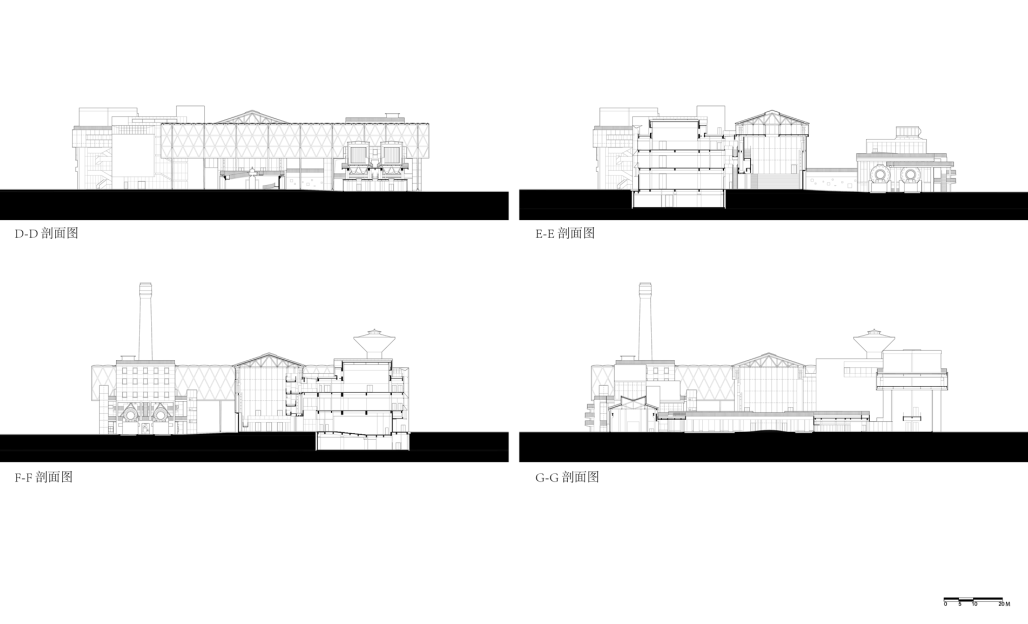
▽ 剖面图
项目信息--
项目名称:西藏美术馆
建筑地点:西藏自治区拉萨市
设计周期:2019年2月~2021年3月
建造周期:2020年4月~2023年10月
占地面积:47103平方米
建筑面积:32825平方米
项目业主:西藏自治区文学艺术界联合会
设计单位:同济大学建筑设计研究院(集团)有限公司
主创建筑师:李立
总顾问:汤朔宁
项目负责人:李鲁波
项目经理:肖蕴峰
建 筑设计:吴蔚、颜开、张溯之、姜方昕、刘畅、冷先强、朱弘年、孙嘉明、吴晨、孙士博、郝竞、高山
减隔震设计:丁洁民、金炜、吴宏磊、王世玉、吴昊
改建结构设计:张准、姜文辉、蒯蓓蕾、崔勇、刘纪坤、程晓强、郑孝婷、王吉、章敏
新建结构设计:成戎、曹炜、刘东
给排水设计:尚家佳、曹阳、杨佳澎、沈冰春、冯玮
暖通设计:郭长昭、李菡茜、宣婧、钱必华
电气设计:焦学渊、梁为鹏、俞超、沈健、夏林
智能化:焦学渊、梁为鹏、包顺强
室内设计:李立、肖蕴峰、张溯之、殷矫、石婷、高爱勤、杨眉
景观设计:李立、肖蕴峰、徐留生、孙嘉明、贺翔宇、方钰
展陈设计:李立、耿红倩、蔡健龙、王贝贝、吕思莹
幕墙设计:
王垒、彭小龙、黄杰、胡逸伦、王强强、刘洋
照明设计:杨秀,陈幸如,徐霞青、马玥、杜怡婷
BIM设计:陆安洋、朱航炜、牛传奇
驻场建筑师:姜方昕、肖蕴峰
土建施工单位:西藏天路股份有限公司
装饰及景观施工单位:青岛瑞源工程集团有限公司
展陈施工单位:南京金鸿装饰工程有限公司
建筑摄影:苏圣亮、尹明